
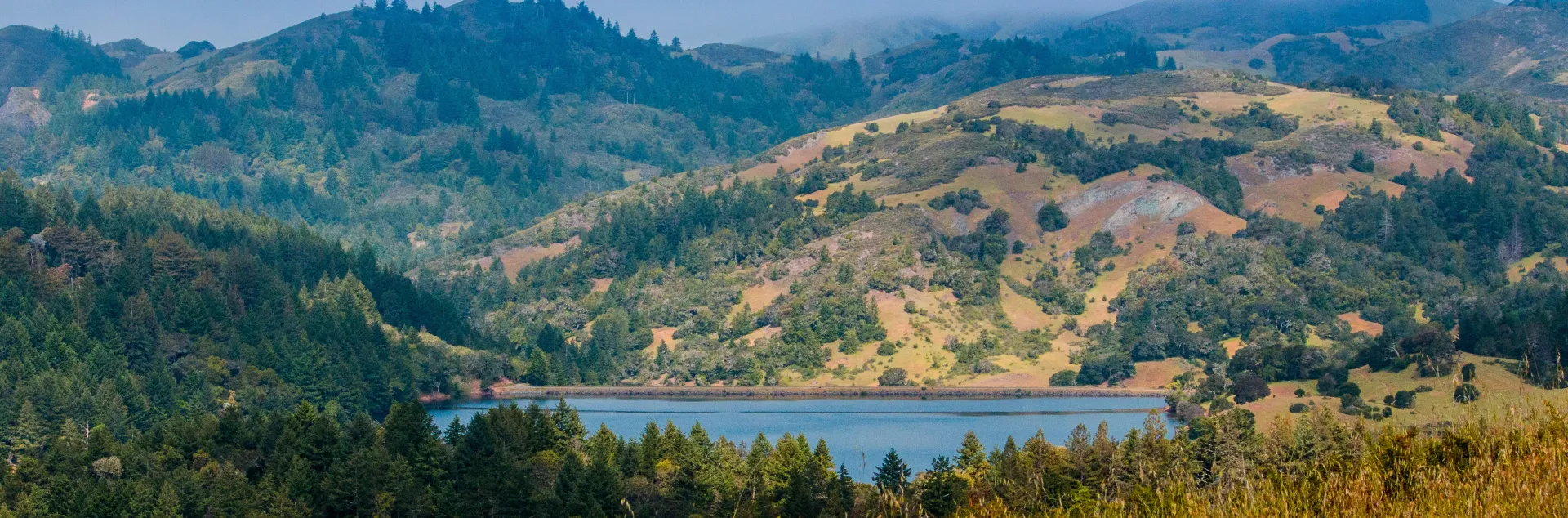
Imagine walking deep into a cool, damp, shady redwood forest. Inhale the scent, sink into the duff, touch verdant ferns, pluck tangy huckleberries, marvel at the spectacular vine maples and iris spread out around you.
Now, imagine you’re still walking among those redwoods, but this time the plants that naturally grow in the understory have been replaced by exotic plants that appreciate the same shady, wet conditions – hydrangea, hellebores, impatiens. It’s a colorful menagerie, a veritable Alice in Wonderland garden. On the one hand, it’s nice to see an eye-popping landscape. But on the other hand, it feels off.
What’s wrong with this picture? And more importantly, why does it matter?
Jarring as this image is, it’s nothing compared to the environmental repercussions were it to happen. Why? Because California’s diverse plant communities, such as its redwood forests, are essential to our state’s incredibly high biodiversity – that is, all the living things that coexist within an ecosystem, whether that’s a plant community, a regional landscape, a state, or even the entire globe.
What is an ecosystem?
Let’s bring that down to planet Earth for a minute. An ecosystem is like a house filled with living things, only instead of humans its inhabitants are plants, animals, and microorganisms. And like us humans, these living things need air, water, sunlight, and soil to survive. (Yes, we need soil. Remember where your food comes from?) When everyone gets along, life is good. Environmentally speaking, nutrients and energy flow uninterrupted. Everyone thrives.
But when you start messing with these interconnected relationships, problems arise. It's like asking your daughter to move out of your house so your crazy Uncle Joe can move in.

Removing plants from an ecosystem disrupts habitats and the associated essential food webs, which means a decline in wildlife – everything from bees to bucks to underground microorganisms. It also leads to soil erosion, decreased water quality, and vulnerability to invasive species, which increases the risk of fire. That altered redwood forest? Suddenly, it has fewer owls, it’s sliding downhill, and it’s covered in broom.
Best to keep our environmental households in order by allowing the native plants that co-evolved with the other living creatures to coexist in harmony.
The benefits of biodiversity
The result of healthy ecosystems is healthy biodiversity, which provides critical benefits for the environment and for people, including our health and well-being. The plants in our ecosystems help clean our air and water, pollinate our food crops, provide compounds for medicines, and even help reduce our stress levels.
Environmentally speaking, biodiversity is the strongest natural defense against climate change. Biodiverse ecosystems also help protect against natural disasters like floods and storms. From an economic and social perspective, biodiverse environments support industries and livelihoods and help us form connections with the land.
California: a biodiversity hotspot
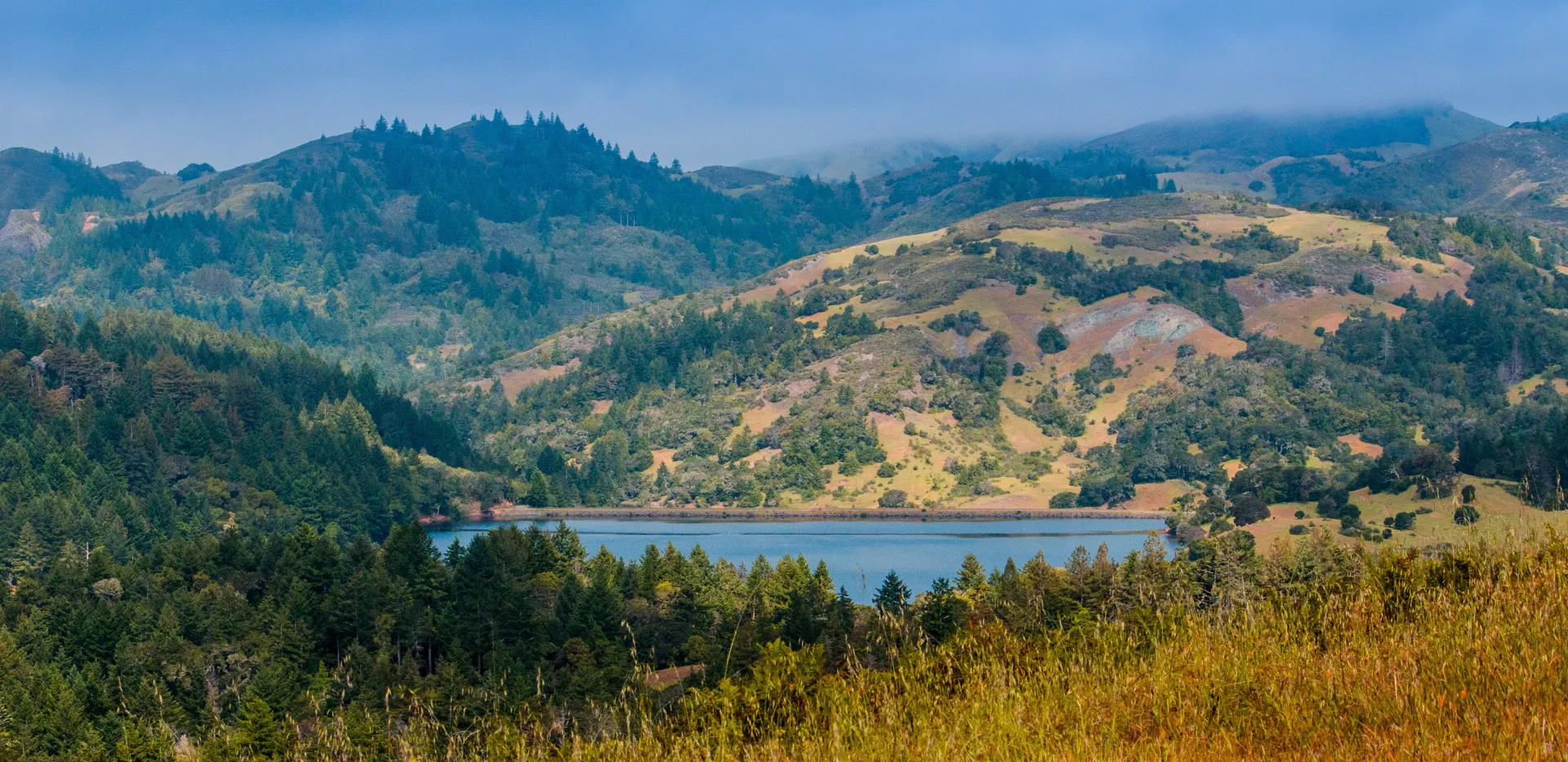
Our state is the most biodiverse in the US – by far – with 6,500 native plants.
Forty percent are endemic, meaning they don’t grow anywhere else on Earth. More than a third are considered rare or endangered.
California’s biodiversity is exceptional because of its size plus its varied geography, climate, and geologic history. We’ve got it all: the highest and lowest points in the contiguous US (only 80 miles apart!), mountain ranges, deserts, coastline, rainforests, a salt plain, arroyos, grassland, floodplains, varied habitats and soils, the list goes on. We have some of the largest bodies of water west of the Mississippi, including Lake Tahoe.
California is one of the world’s 36 biodiversity “hotspots” because of our significant number of endemic species and because many are under serious threat, mostly from habitat loss, invasive species, and climate change.
To combat this decline, California has created the 30x30 initiative, with the goal of protecting 30% of California’s land and coastal waters by 2030. You can also help by growing native plants and avoiding invasive species like ivy and pampas grass.
By Marie Narlock, November 29, 2025