
“There’s no good bug but a dead bug” or so the makers of pest control products have claimed. For just about every home and garden pest, there’s likely a product available to control or eliminate it. You probably use them regularly without hesitation – bleach, vinegar, and dishwashing soap are common household items that can be effective pesticides when used appropriately. But that’s often the key – to understand the pesticide you’re using, the proper way to use it, and any impact it may have beyond the pest you’re trying to control, so that you don’t unintentionally impact life in the soil, a wide array of beneficial living things, and even water quality when using it.
A pesticide is any material (natural, organic, or synthetic) used to control, prevent, kill, suppress, or repel pests. There are many types, each focused on the group of pests they are designed to control. Common ones include insecticides (insects), fungicides (fungi that cause diseases), rodenticides (mice, rats, and other rodents), and herbicides (weeds and other unwanted plants).
Pesticides are generally mixtures of one or more active ingredients (the component that kills or controls the target pest) and other ingredients that may make the product more effective or convenient to use. Commercially available pesticides all have some level of toxicity (a measure of how poisonous a material is) as defined by the Environmental Protection Agency. That information and much more are clearly stated on the product label, a legal document required for every pesticide registered in the United States. Other vital information includes active ingredients, where it can be used, targeted pests, and potential hazards to people, animals, or the environment.
Pesticides work in different ways. Narrow-spectrum/selective products kill only a few closely related organisms, while broad-spectrum/non-selective ones kill a range of pests along with non-target organisms. Contact pesticides kill when it touches the external surface of the organism, while a systemic material is absorbed and circulates throughout the organism after entering the mouth in animals or the roots or leaves in plants. Pre-emergent herbicides inhibit most all seeds from sprouting, while post-emergent herbicides are applied after weeds are visible.
Depending on their physical and chemical properties and how they’re applied, pesticides may become airborne, get into soil, enter bodies of water, or be taken up by plants and animals. Other factors that may affect the unintended consequences of pesticide use are the material’s toxicity, how quickly it breaks down, environmental conditions, how well it dissolves in water, and how likely it is to become airborne.
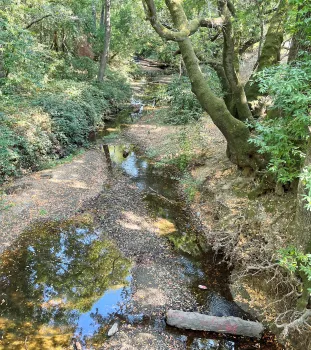
Consider these examples of some undesirable impacts:
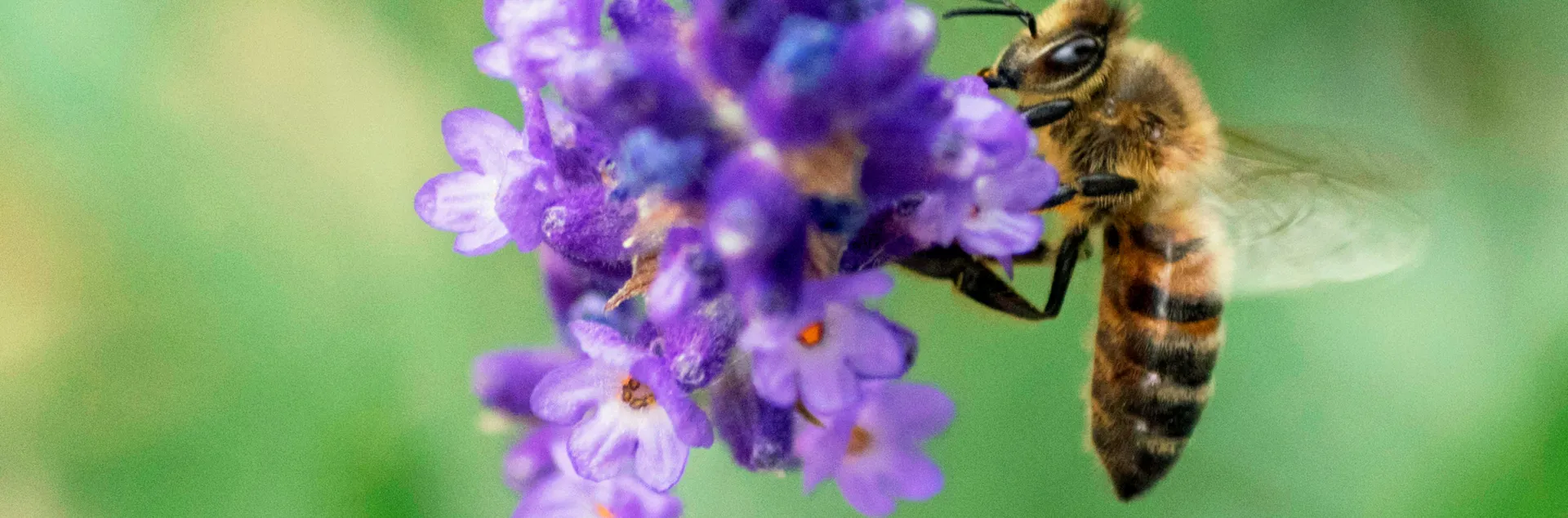
- Systemic pesticides circulate through a plant and can end up in pollen, nectar, and fruit, which in turn may be ingested by beneficial insects, pollinators, and even people.
- Three-in-one products are a mixture of fertilizer, insecticide, and fungicide; they circulate toxic materials through the entire plant continuously, even if no pests are present, and can disrupt local habitat and the microbial balance of bacteria and fungi in the soil.
- Raptors may kill their offspring by feeding them a rat or mouse that has consumed a rodenticide but not yet died from it.
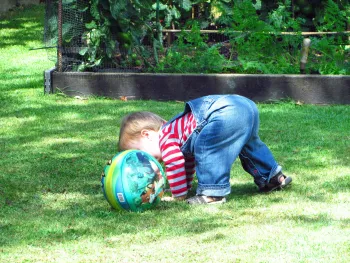
- Weed and feed products for lawns contain herbicide and fertilizer that may be ingested by a child playing with a toy on the lawn, then putting it in their mouth.
- An aerosol application of an herbicide may drift to non-target plants, damaging or killing their tissue.
- Rinsing out pesticide containers or applicators in the garden may result in the product being absorbed into the soil or running off into storm drains.
If you decide to use a pesticide, select one that is effective against the pest you are aiming to control, and that poses the least risks to human health and the environment. And ALWAYS read the product label before buying and follow the instructions – it will help you achieve maximum benefits from the product with minimum risk.
By Nanette Londeree, December 6, 2025