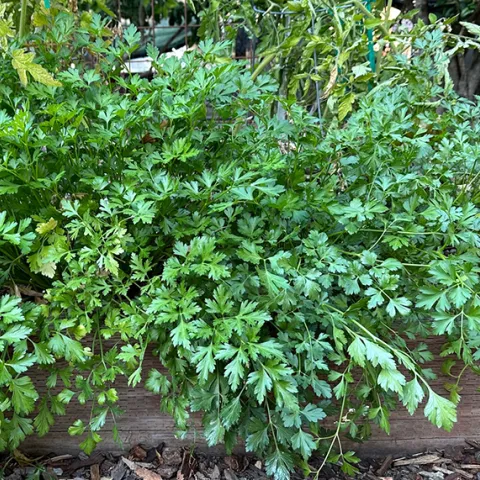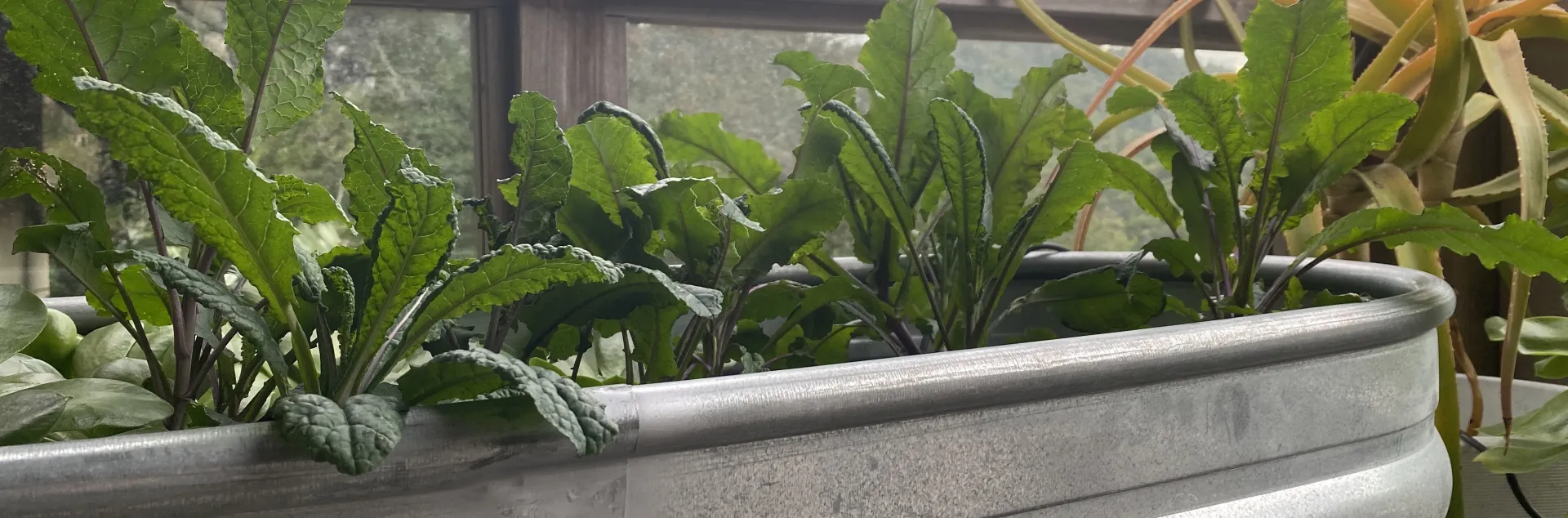
Kale in trough
UC Marin Master Gardeners

Preparing: Beds, Containers, Soil, Irrigation

How to Prepare an Edible Garden

Few areas of the garden benefit from detailed preparation like the edible garden. The two most important components are putting the infrastructure in place (beds and irrigation) and using healthy soil. Although this can take time and work, it's worth making the investment upfront so you can enjoy years of successful growing and harvests.  

Build healthy soil 
Healthy vegetable garden soil allows water, air, roots, and microorganisms to move easily. Gabriel Jiminez, Unsplash

Whether you choose to plant in the ground or in raised beds or containers, soil is the key to success.  The majority of edible plants grow best in loamy soils, a mixture of clay, sand, silt, and organic matter. Since Marin’s soil is predominately clay, it retains water and nutrients but needs to be amended for improved aeration, drainage, and replacing nutrients that have been used or leached out. 

To grow edibles:
Start with healthy soil that has a pH between 5.5 and 7.5, depending on what different plants need:

  • Acid soil (pH 5.5) – berries
  • Alkaline soil (pH up to 7.5) – asparagus, beans
  • Wide-ranging soil pH – carrots, cucumbers, garlic, parsley, peppers, pumpkins, strawberries, and tomatoes

Evaluate your soil
Simple tests for drainage, texture, pH, and the primary macronutrients – nitrogen, phosphorus, and potassium -- will help you determine what type of planting situation (in-ground or raised beds) would work best. Learn how to evaluate your soil.   

Address soil nutrient problems
Edible plants provide clues when there is too much or too little of one or more of the six macronutrients. Here's how to recognize and address soil nutrient problems in the vegetable garden

HOW TO BUILD SOILS FOR EDIBLES
1. Start with compost: Add 1 to 2 inches of compost twice a year, for example in spring and fall, about two weeks before planting. This replaces nutrients, restores microbiological activity, and maintains soil health.

2. Test and add amendments as needed and according to directions on the product. Add amendments 1 to 2 weeks before planting.

3. Grow cover crops in winter and dig the plants into the soil in spring. 

4. Add a layer of mulch in summer (leaves, rice straw, or another layer of compost) to retain moisture, minimize weeds, and provide habitat for soil organisms that positively affect plant health. 

5. Add organic matter such as compost, leaves, and aged manure. 

6. Consider sheet mulching(also known as sheet composting)This is a process to eliminate lawns and weedy areas while building healthy soil. It is best started in the fall to prepare for a spring garden, but it can be done anytime. Within six months, the sheet-mulched area will have decomposed to about half its height and will be ready to plant.

MAKE YOUR OWN SOIL MIX
The most reliable and cost-efficient soil mix for your garden beds and seed flats may be one you blend at home. Some soil mixes actually contain no “soil” and are instead a blend of amendments. Soil mixes should be light in texture, hold water, drain well, be weed and pest free, and provide proper nutrients for the application. If you purchase potting or soil mix, be sure to do so from a reputable manufacturer that discloses the contents and nutrient value of materials. =

Soil mix for starting seeds 
• 1 part coco peat or peat moss 
• 1 part perlite 
• 1 part vermiculite 
• 1 part potting mix (optional) 
• Shake of local soil 

Soil mix for containers
• Use high-quality potting mix. 
• Do not use garden soil. 
• Water well before planting and let it sit for a day to dampen and settle. 

Soil mix for in-ground and raised beds 
This makes about 1 wheelbarrow. Note: a #10 can is a 3-pound coffee can.
• 15 gallons sifted compost (about 1/2 wheelbarrow) 
• 2 gallons sifted peat moss 
• 2 gallons perlite 
• 2 gallons vermiculite 
• 2 gallons worm castings 
• 1/4 #10 can kelp meal 
• 1/4 #10 can gypsum 
• 1/4 # 10 can bone meal 

Follow these guidelines for beds and paths

To keep your garden accessible and well-organized, use these general guidelines when laying out your planting beds.

Width and length 
• Keep beds a maximum 4 feet wide so you can access them from both sides. 
• If accessible from only one side, limit to 2 to 3 feet wide. 
• Beds/rows may be as long as space and irrigation system allows. 

Depth
• Prepare beds to a minimum depth of 6 inches. 
• 12 inches is better for drainage, aeration, and root development. 

Orientation
• In large gardens there may be advantages for directional orientation of rows and beds, but this is not usually the case in smaller backyard settings. 
• Orient planting beds to suit your personal preference and plant your tallest plants on the northern side. 

Path width
• Keep paths minimum 2 to 3 feet wide to accommodate wheelbarrow, ease of movement, etc.

Care
• Don’t walk on garden beds or they will become compacted and not drain. 

Decide on types of beds
Building raised beds is work, but it offers many long-term benefits. Gael Perrin

In-ground raised beds and rows
• Inexpensive way to create a healthy spot for growing your favorite fruits and vegetables
• Easier and less costly to construct than boxed raised beds
• Easier to turn over
• Offer growing spaces in gardens where boxes do not fit 
• Build in-ground raised beds where there is at least one-foot of soil with no underground limitations  

Boxed raised beds
• Help with tunneling pests, poor drainage, poor soil, and underground rock
• Reduce the possibility of erosion by containing soil
• Warm up earlier in the spring 
• Can be built to heights that limit bending
• Reduce soil compaction
• More expensive to build but are a more permanent option 
• Some types of raised beds are portable

Containers
• Easy and convenient 
• No digging and the container may be placed right outside the kitchen door 
• Terrific for patio gardens, accent plantings and for plants that may be invasive such as mint 
• May be placed on wheels and if tall enough, may be wheelchair accessible 
• Most any container made of a material that holds up well when wet and left outdoors will do 
• Be creative and take a trip to a salvage yard or hardware store for inspiration
• Learn more about growing edibles in containers
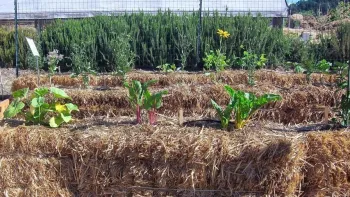
Visit our Edible Demonstration Garden in Novato to learn how to grow edibles in soilless straw bales.

Straw bales: 
While most gardeners grow crops using soil or raised beds, it's possible to grow vegetables without soil using straw bales.

• Readily available material for soilless gardening that will provide compost as a byproduct 
• Allow gardeners to avoid growing in poor soils or locations where plant diseases may already be present
• Requires additional water and fertilizer to prepare them for gardening 
• Have been used as a growing medium for vegetables for at least half a century in Europe
Learn more about growing edibles in straw bales 

Clear and clean your planting site
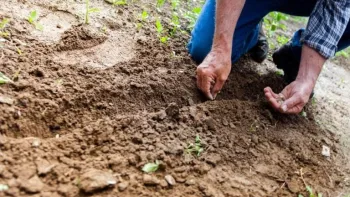
Once cleared and prepared, in-ground raised beds can be effective growing areas. Photo: Benyamin Mellish, Pexels

Once you've selected and assessed your site, evaluated your soil, and know what type of beds you want, you're ready to get going. 

• If you discovered any hazards or limitations above or below the site, (electrical wires, limbs, plumbing, rocks, high water table, easements etc.) begin by addressing these issues. 
• If you are unsure of the location of underground utilities, check with your utility company. 
• If your site is sloping, construct terraces or level planting boxes to minimize runoff and erosion. 
• If your site includes ornamental vegetation that shades garden beds or competes for irrigation, consider removing it. 
• If your site is covered in weeds, remove them when soil is damp and appropriately discard invasive weeds such as Bermuda grass, purslane, morning glory, and Scotch broom. 

Construct planting beds

In-ground raised bed: 
• Remove weeds when soil is damp but not wet 
• Use a digging fork to loosen soil to a depth of 6 inches 
• Spread 2 inches of compost on top 
• Add other organic matter such as straw and dried leaves 
• Evenly scatter amendments such as blood meal, kelp meal, rock phosphate etc., to adjust nutrients as indicated by soil test 
• Alternatively, premix compost with amendments and spread the premixed blend over the raised bed 
• With a shovel or digging fork, blend the compost and amendments into the bed to a depth of 6 inches 
• Mound soil above the height of the ground into rows 30 to 36 inches wide 
• Build rows 2 to 3 feet apart and do not step on the beds 

Boxed above-ground raised beds solve many problems.

Boxed raised beds
• Often made of 2-inch by 6-inch or 2-inch by 12-inch preservative-free redwood or fir
• Boxes are made in a variety of sizes; multiples of 4 are efficient as they reflect the 8-foot standard length of lumber 
• Reinforce corners with 4-inch by 4-inch wooden posts or metal corner brackets
• Install half-inch hardware cloth on the bottom to deter gophers 
• Once in place, fill boxes with potting mix or amended local soil 

Build an irrigation system for edibles
Build flexibility into your edible garden's irrigation system. Photo: Courtesy UC Regents

Irrigation systems in edible gardens need to be flexible because crop locations change from season to season and water requirements differ based on what's growing and whether plants are grown from seeds or starts. It's tedious and time-consuming to change drip emitter locations every season. Overhead or micro-sprayers are good for starting seeds, but not always a good choice for established plants such as tomatoes, which don't appreciate wet foliage. In addition, it is important that the gardener can easily amend beds without having to navigate around irrigation tubing, emitters, etc.

HOW TO BUILD A FLEXIBLE DRIP IRRIGATION SYSTEM for an edible garden bed:

Follow these instructions to create an irrigation system that allows you to irrigate your edible crops with drip (for starts and established plants) or spray (for seeds). Because this system only connects to ONE point, it can be "lifted" to allow unimpeded access to the bed for amending soil. 

1. Identify one point of connection (to water) for a garden bed. 

2. Starting and ending at that one point of connection, build a perimeter 'loop" using 5/8-inch irrigation tubing. It should outline the bed and only be "connected" at the one place. 

3. Run 1/4-inch or 5/8-inch emitter lines from one end of the perimeter tubing to the other, 6 to 8 inches apart. Be sure to tap into the perimeter line at both ends. This should allow you to plant anywhere in the bed and access drip irrigation. 

4. Install adjustable micro-spray risers to the perimeter tubing so that it's possible to "spray" the entire bed if necessary OR turn one or more off when not needed. (This is helpful when starting seeds outdoors.)

Rules of thumb for irrigating edible crops: 
• Use a drip system if possible. 
• Begin the season with a garden bed moist to a minimum of 12 inches deep. 
• Check moisture content of soil with your finger several times per week.
• Water when the top 1 to 2 inches of soil is dry. 
• Avoid wet/dry cycles and keep your garden consistently moist. 
• Occasionally check 8 to 12 inches deep to ensure that the deeper soil is also moist. 
• Irrigate early in the day. 
• Observe plants for feedback. Yellowing of lower leaves provide evidence of over watering. Wilting and browning at edges indicates under-watering.
• When hand watering, apply water directly to the bed until the soil “shines” for 10-15 seconds.
• Plants need approximately 1 gallon of water per week in peak heat so if you are hand watering 3 times a week, apply about 1/3 of a gallon per plant per watering.
• Shallow rooted plants such as lettuce and other greens may require frequent shallow watering while plants with deeper roots, such as tomatoes, may be irrigated less often. 
Learn more about irrigation

BACK TO EDIBLES
> What Edible Gardens Need
> Best Choices for Marin
> How to Prepare
> How to Plant
> Edibles in Containers
> Planting Calendar
> Grow & Care Sheets for Vegetables, Herbs & Fruits
> Tips & Techniques
> How to Maintain
> Fruit Trees
> Top 20 Edible Garden Problems
> Cover Crops & Soil Enhancements in the Off-season
> Conserving Water

•••••••••

Visit our EDIBLE DEMO GARDEN at IVC Organic Farm & Garden
September 2024: Tackling the Weeds

Primary Image
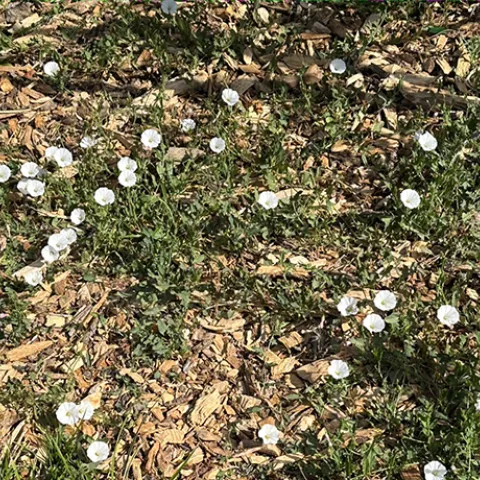
Field bindweed is a perennial garden weed also known as wild morning glory
Body

Weeds 1
No matter what season, there is always weeding to be done in the Edible Demo Garden. Weeds seem to pop up everywhere – in and between the raised beds, in containers, and even in the straw bales. They are the uninvited guests among the cultivated organic fruits and vegetables.

What is a Weed?

The definition of a weed is tricky – more a value judgement rather than a plant category. Weed is a label given to a plant that is undesirable where it is growing. Any type of plant can be considered a weed if it turns up as an unwanted volunteer and competes with crops and landscape plants for water and nutrients or harbors viruses that can infect other plants.

Weeds 3
Some plants such as purslane, which is considered by most to be a nasty weed, is also cultivated as an edible. Amaranth, a beautiful plant that has long been used for food by indigenous cultures, has a bad habit of showing up where it isn’t wanted. Even some popular native plants and wildflowers can get out of control and be considered “weedy”.

Although weeds are often described as invasive, the UC Integrated Pest Management Program considers invasive plants to be “a distinct group of weeds that occur in natural habitats”. They differ from common garden and agricultural weeds in that they are non-native and infest ecosystems causing damage to natural areas.

Annual vs Perennial Weeds

Annual weeds appear seasonally in summer or winter and are spread only by seeds. This makes a difference in how they can be controlled. The strategy is to get them out before they can go to seed. Common annual weeds include cheeseweed, crabgrass, purslane, and spurge.

Perennial weeds all have underground parts that enable them to spread through root systems as well as through seeds. These are the more stubborn weeds such as bermudagrass, field bindweed, dandelion, and yellow nutsedge. It takes some digging to completely remove perennial weeds.

Weed Management in the Edible Demo Garden

Weeds 2
Only non-chemical methods for weed management can be used in the organic garden. Physically suppressing and removing weeds is a never-ending task for garden volunteers. It takes repeated efforts to reduce weed populations. Sheet composting and mulch are applied to suppress weeds between the garden beds. A weed-whacker has proven to be a handy tool for getting rid of annual weeds before they produce seeds. However, hand-pulling and digging remain the best methods for eliminating the most persistent of the pesky weeds. Some volunteers even claim to experience some “Zen” moments while weeding.

Read more about controlling weeds by clicking here.

Additional information can be found on the UC IPM website by clicking here.

UC Marin Master Gardeners

August 2024: Worms – The Architects of the Underworld

Body

Image removed.Worms create tunnels through the soil. These tunnels provide space for air and rain to more easily penetrate through the soil to the roots of plants. Just as we need oxygen to breathe, worms breathe oxygen that dissolves into their moist skin. Worms are long and thin so there is plenty of moist skin absorbing oxygen from air percolating the soil.

When soil is turned over any exposed worms quickly wriggle underground since exposure to light would dry out their skin and without moisture, they cannot access oxygen and will die. This is also why worms prefer moist damp soil. In a drought, worms burrow deep into the soil to find moisture. When it rains heavily saturating the ground, worms need to find shelter above ground, hiding under leaves or other debris so they don't dry out. This is why after it has rained hard, birds poke around in fallen leaves, tossing them this way and that as they hunt for tasty worms. You may not like to touch, let alone eat worms, but birds love them.

When we eat, our body absorbs nutrients as our food travels through our gut. Worms are the same. They also absorb nutrients from what they eat passing through their gut. A worm is like a long pipe with a central tube through it. Worms seek vegetable matter in the soil they ingest that travels through their lip as worms move, they take in soil through their lip into their esophagus. In their gizzard, the mix of soil and vegetable matter is ground up and mixed with enzymes releasing nutrients that are absorbed as food as it travels through their intestine. Just like us, not all the nutrients we eat are absorbed. The remaining nutrients in worm poop are ideal plant food for plants whose roots absorb them.

Worms 2
Gardeners who build compost piles provide a smorgasbord of food for worms. Worms live about a month and multiply frequently where there is plenty of food, so compost becomes a rich source of nutrients that plant roots can absorb. Note: worm poop is typically sold as “worm casts.”

If you build a compost pile, remember just as you and I have favorite and disliked foods, so do worms. They dislike the citrus or onion families but love juicy fruits and chopped up green veggies. I once threw a few left-over radishes in my compost, only to discover months later, the same red radish as completely unblemished as the day I had discarded them.

Build Your Own Worm Bin

Raising your own vermicomposting worms can be an interesting hobby with earth-friendly gardening benefits. Learn how to create a habitat for worms at a hands-on workshop at Indian Valley College from 10 am to 12 pm on August 10, 2024. Look for “Build Your Own Worm Bin” listed under upcoming events on this website for more details and registration information.

Additional instructions can be found on the Marin Master Gardeners YouTube channel.

UC Marin Master Gardeners
Primary Image
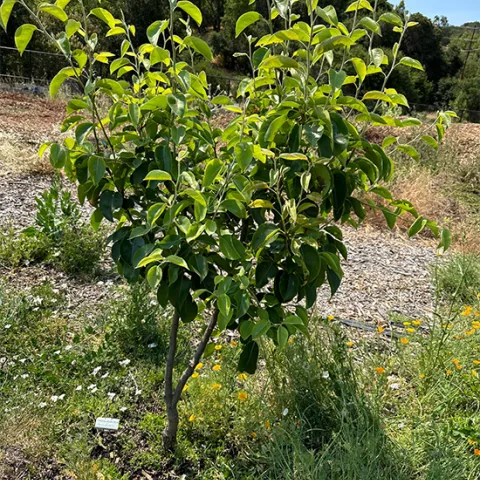
This Asian pear tree has been pruned for optimum size and shape.
UC Marin Master Gardeners: Article

July 2024: Fruit Tree Maintenance

June 24, 2024
All fruit trees require pruning for optimum vigor and fruit production. Pruning is also a way to control tree size, making care and harvesting easier.
View Article

June 2024: Growing Edibles in Containers

Primary Image
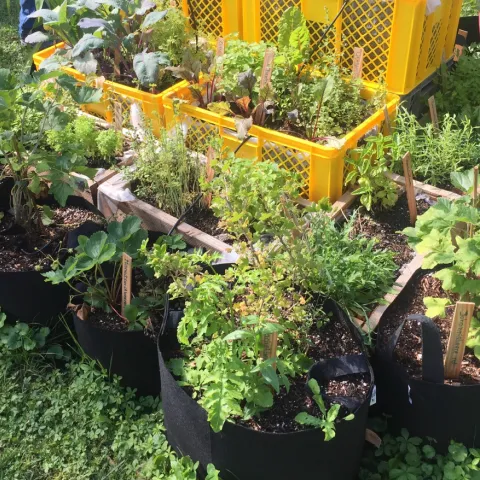
A combination of grow bags and other containers can be used to create a portable edible garden
Body

Container 1
Maximizing the use of space to grow edibles is always a consideration in the Edible Demonstration Garden. Planting veggies in containers has proven to be an excellent way to expand the garden’s growing capacity and learn more about how to best care for container crops. A container for edibles can be any receptacle that will hold enough soil to support plant growth. Spaced among the ground level and raised beds in the garden, are several large, galvanized troughs and half wine barrels planted with annual herbs and perennials. A year ago, grow bags were added. Grow bags are fabric bags designed to hold water and soil. Their portability makes it easy to place them in the best location. Grow bags were used to transport plants to the Marin Master Gardeners’ booth in last year’s County Fair and they will be there again this year.

In May, volunteers began planting edibles in 18 five-gallon square containers donated by the Indian Valley Organic Farm and Garden. The containers were drilled for irrigation lines and drainage, placed on wood pallets, and filled with compost and planting mix. Plants chosen for the new containers include peppers, tomatoes, tomatillo, eggplant, sage, thyme, dill, and Mexican tarragon. There will be an opportunity to compare the container grown plants with similar plants grown elsewhere in the garden.

What kinds of containers are best for growing edibles?

Container 2
Container 3
Most containers can work if they are deep enough and have good drainage. Salad greens and some herbs can grow in a minimum depth of 6 inches, but almost all annual veggies can grow in containers that are 24 inches or more in depth. Regardless of the depth, good drainage is essential. It may be necessary to drill holes for drainage to ensure that water does not collect around the plant roots and cause root rot.

Do edible plants in containers need extra care?

Any vegetable or herb that can be grown in the ground or a raised bed can be grown successfully in a container, however the best choices are high yielding and dwarf varieties. A high-quality planting or potting mix should be used to fill the container. Avoid garden soil as it tends to become compacted and may contain soil borne diseases. More frequent watering may be necessary to keep the soil moist, but it shouldn’t become saturated. Frequent but light application of organic fertilizer helps to replace the nutrients that are leached out of the container. If the plants require some support, stakes or trellises should be installed at planting time to avoid disturbing the growing roots.

What are the advantages of growing plants in containers?

Container 4
The primary advantage of container gardening is the ability to grow edibles where space is limited. Decks, balconies, driveways, stairways, patios, and roofs can all serve as garden spots for container plants. Wherever there is sun exposure and a water source, container plants can thrive.

Another advantage of container grown plants is the ability to relocate them to the sunniest areas of the garden. Most annual edible plants require a minimum of six hours of sun a day. The ability to move plants around to take advantage of the best microclimates can extend the growing season for many vegetables and herbs. Containers can also be used to control plants such as mint, that like to spread to garden areas where they are not welcome.

Plants in containers are more accessible, making caring for them more convenient. There can also be fewer disease and pest problems. In addition, arrangements of healthy, growing plants in containers are visually pleasing and add interest and enjoyment to any location.

Click here for more information on growing edibles in containers.

UC Marin Master Gardeners

May 2024: Flowers and Edibles Make Good Neighbors

Primary Image
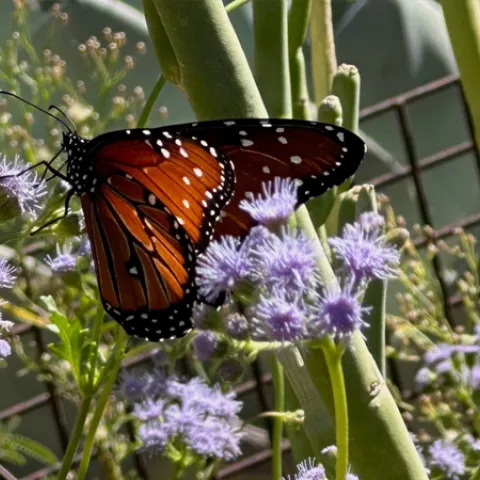
Nectar-producing flowers bring butterflies to help with pollination
Body

May Edible 1
Spring is here and plants in the Edible Demo Garden are beginning to bloom. Not all the blooming plants in the garden are edible crops – some are there for their flowers. The flowers add to the beauty of the garden, but they don’t just look pretty – they have important jobs to do. They attract pollinators, repel pests, provide a habitat for beneficial insects, and contribute to the biodiversity of the garden. It turns out that many flowering plants can be good companions for the edibles.

A variety of flowers are grown in the Edible Demo Garden. Some are perennials such as yarrow and lavender. Others are annuals that are grown from seed in the greenhouse and planted each year. These include zinnias, marigolds, and calendula. Then there are the flowering plants that self-seed and return on their own like the California poppies and the sunflowers. Sunflowers have been so successful in the Edible Demo Garden, that they sometimes show up where they are not wanted.

Favorite flowers for attracting pollinators

May Edible 2
It’s easy to tell which flowers are popular with bees – just head for the buzzing sound. The California lilac (Ceanothus), planted in the garden several years ago, blooms early, ensuring that there will be bees around when the spring vegetable crops start blooming. Although it’s also a culinary herb, rosemary (Rosmarinus officinalis), is another bee magnet. It turns out that many of the culinary herbs and herbs for tea produce flowers that attract pollinators. Mexican tarragon (Tagetes lucida), Anise hyssop (Agastache foeniculum), Coneflower (Echinacea)and Chamomile (Matricaria recutita) all do double duty in the Edible Demo Garden. Nectar producing flowering plants, like the Cleveland sage (Salvia clevelandii) and California Fuschia (Epilobium canum) also attract hummingbirds and butterflies to help in the pollinating work.

Flowering plants that discourage pests

There is increasing scientific-based evidence that certain plants are effective in managing pests in an edible garden. They can confuse pests, luring them away from their favorite target and disrupting their feeding and egg-laying behaviors. Studies have suggested that plants with strong odors can discourage pests by masking the scent of the desired host plant. Marigolds (Tagetes) have long been a pest-repelling favorite of gardeners, but the supporting science is scant. However, there is research showing their effectiveness against parasitic nematodes and some flies affecting vegetable crops. In addition to their ability to attract pollinators, Nasturtiums (Tropaeolum majus), have been found to reduce squash bug damage when grown with zucchini. Their edible flowers make them especially welcome in the garden.

The importance of diversity in the garden

Image removed.Mixing in some flowering plants with the edibles encourages beneficial insects that can keep pests in check. Members of the Asteraceae family, which includes yarrow, sunflowers, zinnias, calendula, and asters, support beneficial insects that dine on aphids. Flowering herbs provide nectar for parasitic wasps which help control caterpillar pests. Low -growing flowering plants such as thyme and oregano provide a sheltered habitat for ground-dwelling beneficials.

The right flowers in an edible garden are not just ornamental, they balance the garden. They help in creating a habitat that supports plant growth and production and reduces the need for pesticides and other pest-management strategies.

Click here for more information about plants that attract pollinators.

UC Marin Master Gardeners

April 2024: The Importance of Soil Testing

Primary Image
Garden soil can look healthy and still be lacking in nutrients essential for optimum plant growth
Body

Soil Test 1
The soil in the Edible Demo Garden gets a lot of attention. Compost and organic amendments are added regularly. Moisture levels are monitored, and rainwater is supplemented with drip irrigation and hand watering. Mulch and cover crops are used to protect the soil and tilling is kept at a minimum. The goal of these efforts is to maintain the structure and composition of the soil so that the growing plants have access to the air, water, and nourishment they need.

However, soil can look and feel healthy, and still be lacking nutrients essential for optimum plant growth. Plants suffering from malnutrition look unhealthy and show symptoms of deficiency. Growth may be stunted, leaves may be chlorotic (yellowed) or distorted, and shoots appear short and thin. Too little or too much of any one nutrient can cause problems. The best way to check for a lack of nutrients in the soil is to test a sample.

How are the nutrient components of soil tested?

Soil Test 2
Inexpensive do-it-yourself soil test kits are readily available in garden centers, and they can be a convenient way to determine soil pH and levels of the primary macronutrients: nitrogen, phosphorus, and potassium. More comprehensive tests which cover secondary macronutrients and micronutrients, can be performed by commercial soil testing laboratories.

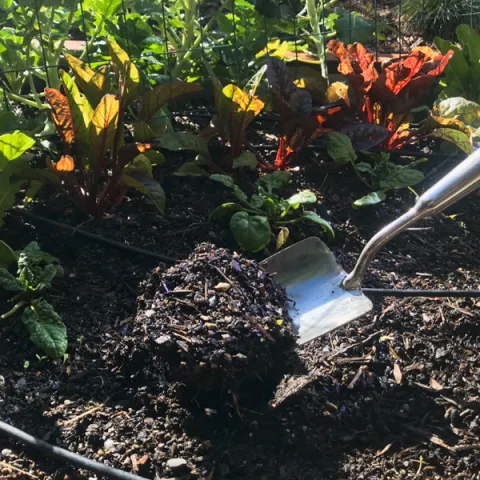
Any soil test should start with a carefully collected soil sample. Use a stainless-steel trowel or shovel to obtain a sample at least six to eight inches below the soil surface. Avoid wet soil, if possible, the sample needs to be dry for testing. Taking samples from several places in a garden bed and mixing them can be useful in measuring overall chemical properties. However, samples from different garden areas (vegetable, perennial, lawn, etc.) should be kept separate. Soil testing laboratories generally provide specific instructions on sample collection.

Why does soil pH matter?

Nutritional elements in the soil need to be in a soluble chemical form to be absorbed by plant roots. There must be sufficient moisture in the soil to allow the roots to take up and transport the nutrients. The temperature of the soil also needs to fall within a certain range for uptake to occur. Finally, the solubility of the nutritional elements and the activity of the microorganisms responsible for the chemical transformation of nutrients are directly influenced by soil pH.  An essential nutrient can be present in the soil, but not in a form the plant can use. Each nutrient has an ideal pH range for plant availability. At pH levels that are too acidic or alkaline, some nutrients can become insoluble and not accessible to plant roots. Phosphorus, calcium, and magnesium are elements that become less accessible as soil increases in acidity, while the availability of iron, zinc, and manganese is reduced in more alkaline soils. The ideal pH for most plants is between 5.5 and 7.5.

What nutrients are commonly lacking in soil?

Soil Test 3
The nutrient most commonly lacking in garden soils is nitrogen. Most plants absorb nitrogen in the form of ammonium or nitrate. These forms readily dissolve in water and leach away. Excessive irrigation and heavy rains can lead to nitrogen deficiency in the soil. Phosphorus, potassium, calcium, magnesium, and sulfur are the other macronutrients that may be deficient, depending on drainage and pH levels. A lack of iron, zinc, or manganese, all considered micronutrients, results in interveinal chlorosis, a condition in which the leaf veins remain green while the rest of the leaf turns yellow. The uptake of these micronutrients is also affected by pH.

For more information on assessing soil health, click here.

For hands-on practice in soil testing come to the workshop co-sponsored by the Edible Demo Garden and the Edibles Guild. Click here to register.

UC Marin Master Gardeners

March 2024: Making Soil for Seeds

Primary Image
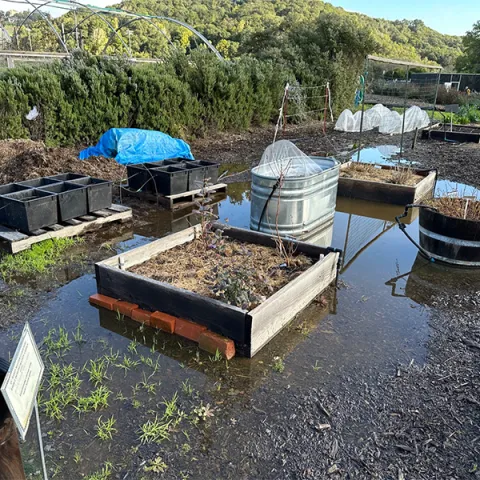
The flooded garden needed time to dry out after the February rains.
Body

Making Soil 1
The rain in February flooded the areas around the garden beds in the Edible Demo Garden. Volunteers were busy digging trenches to redirect the water away from the planted areas and salvaging any crops that were still productive. The wind also created havoc, blowing over compost bins, scattering planting containers, and overturning a picnic table. Once the damage was mitigated, there was little that could be done in the garden itself until the water drained and the soil began to dry. Attempting to work in soggy soil can create future problems due to soil compaction.

However, the Edible Demo Garden volunteers are not a group to remain idle, especially when it’s time to start seedlings for the spring and summer garden. The organic seeds for the chosen crops had arrived and they needed to be planted in the proper soil mixture and placed in the greenhouse to germinate. So, on a rare dry day, an enthusiastic group of volunteers met to make soil for growing seedlings.

What soil is best for starting seeds?

Making Soil 2
While some plants such as carrots, grow better when they are directly seeded into the garden, many others benefit from earlier starts in more protected conditions and are transplanted later into the garden. In the Edible Demo Garden, any soil used to start plants from seeds must be organic, containing no synthetic materials. Due to the amount of soil needed, it’s much more economical to make the seedling mix rather than purchase a ready-made organic mix. There are many recipes for seeding mixes, but most important is that they are formulated to hold air and moisture and are free of harmful bacteria. There are two soil mix recipes developed for the Indian Valley Organic Farm and Garden and these are also used in the Edible Demo Garden. Labeled “Breakfast Mix” and “Lunch Mix”, they are made by hand and shovel in large quantities. Screen tables set over plastic tarps are used for the sifting.

Breakfast Mix

Making Soil 3
Breakfast mix is used for starting seeds in trays or flats. It is made by sifting together the following materials:

  • 4 wheelbarrows Lunch Mix (20 cubic ft., already sifted)
  • 1 bag Vermiculite (4 cubic ft.) (medium or fine)
  • 1 bag Peat Moss (4 cubic ft.)
Lunch Mix

Lunch mix is used for potting up seedlings prior to transplanting or for bigger plants that will remain in 1–3-gallon containers for several months or more. The recipe for lunch mix is as follows. All the ingredients are mixed thoroughly and sifted together.

  • 6 wheelbarrows sifted compost
  • 1 bag Peat Moss (4 cubic ft.) 
  • 1 bag Vermiculite (4 cubic ft.) (medium or fine)
  • 1 bag Perlite (4 cubic ft.) (medium or fine)
  • 10 lbs or 6 qt Azomite (micronized)
  • 5 lbs or 5 qt Feather Meal (fine)
  • 2.5 lbs or 2 qt Kelp Meal (fine)
What is the purpose of the ingredients in a seedling mix?

Making Soil 4
Any mix must meet the needs of plant roots for air, water, nutrients, and support.

  • Compost – adds structure, provides nutrients, and contains beneficial microbes
  • Peat moss – retains moisture (coconut coir is considered a sustainable alternative)
  • Vermiculite – mined mineral, increases soil porosity and adds calcium and magnesium
  • Perlite – light, volcanic rock, helps to aerate by increasing pore space
  • Azomite – adds trace minerals
  • Feather meal – releases nitrogen
  • Kelp meal – adds nitrogen, potassium, and phosphorus
Ready to plant

Once the “breakfast mix’ was made, it was used to fill seeding trays and planting could begin. A light topping of vermiculite was added to each cell to maintain the right moisture level.

Click on the following for more information on soil mixes and starting plants from seed: 

Sowing seeds for fun, flavor, and a successful harvest

Build healthy soil

UC Marin Master Gardeners

February 2024: Rotating Crops

Primary Image
yeararoundgardening
Body

While the rains limited some of the garden work during January, it was the perfect time to assess the condition of the garden beds and plan for the spring and summer crops. Some of the beds are dedicated to perennials such as blueberries, raspberries, and rhubarb. Others have typically been used to grow herbs and spices like mint, tarragon, and horseradish. However, most of the beds are reserved for annuals and that’s where the planning comes in.


In addition to deciding what to plant and securing the seeds, it’s important to determine the best location for the plants. The main considerations are light, water, and soil. All the existing beds receive plenty of sunshine and have access to irrigation. Soil condition then becomes key in deciding where crops should be planted. A goal in using soil more effectively is to rotate
crops and avoid planting the same crop in the same place season after season.


Why is rotating crops important?
Rotating crops can help retain soil fertility and prevent the buildup of soil borne diseases and pests. Plants differ in micronutrient needs and susceptibility to soil pathogens. The problems that affect plants from one family, may not be an issue for plants from another family. Moving a particular crop, such as cucumbers, to a different planting location each season, can reduce the possibility of infection by diseases that target members of the cucurbit family.


Categories for crop rotation
There are different ways to divide crops into groups for crop rotation. One way is to split crops into categories based on the part harvested. Leafy crops, for example, would be planted together and moved to a new location each season followed by fruit crops, root crops, and legumes. Another method is to group crops as heavy or light feeders according to their nutrient needs. Moving heavy feeders to beds previously occupied by light feeders can make better use of soil nutrients. The most common grouping for crop rotation is according to botanical plant family. Tomatoes, eggplant, peppers, and potatoes are members of the Solanaceae family. Solanaceous crops share the same pests and are susceptible to some serious soil borne viruses.
Preferably tomatoes should not be planted in the same place more than once every four years allowing time for soil diseases to die out. Other plant families to be planted and moved together are the cucurbits (squash and cucumber), alliums (onions, leeks, and garlic), brassicas (broccoli, cauliflower, and cabbage) and legumes (peas and beans).


Difficulties in rotating crops
The ideal rotation plan would involve a three- or four-year cycle. This can work well in a garden large enough to be divided into quadrants. When space is restricted, the cycle may need to be shortened and the number of plant groups reduced. At the very least, home gardeners with limited space should avoid planting the same crop or crops from the same family year after year in the same part of the garden.

In the Edible Demo Garden, straw bales and grow bags are used to increase the available planting space. Because the straw bales are replaced each year and new soil is added to the grow bags, there is no need to rotate the crops planted in these spaces. The straw bales work well for the cucurbit family plants and this frees up garden space for plants from other families. The plans this year are to use the grow bags for tomatoes.
Want to visit the Edible Demo Garden? You’ll find volunteers on site most Tuesday and Friday mornings from 9-11 am. The garden is located within the Indian Valley Organic Farm and Garden on the College of Marin campus in Novato.
Click on this link for more tips about crop rotation.

yeararoundgardening

Year around gardening in the Edible Demo Garden includes planning for crop rotation

leafygreens

Leafy greens can grow together and rotate as a group

strawbales

Straw bales serve as new beds for squash plants in the Edible Demo Garden

UC Marin Master Gardeners
Primary Image
Almost all artichokes sold commercially in the US are grown in California Credit: rawpixel
UC Marin Master Gardeners: Article

January 2024: Planting Time for Artichokes

December 26, 2023
While artichokes may not be on every gardeners cool season vegetable list, they are fun to grow, and December is the right time to plant them for an early spring crop.
View Article

December 2023: Caring for the Soil

Primary Image
Caption: Buckwheat is a non-legume cover crop that helps to improve the soil in preparation for spring planting.
Body

After the fall harvest was over, it was time to clean up and replenish the soil in the Edible Demo Garden. Healthy soil is fundamental to the success of the next season’s crops. Even in beds that are temporarily fallow, the soil needs to be nurtured and protected. In November, volunteers were busy with three major soil-boosting activities - spreading compost, adding mulch, and planting cover crops.

Why add compost?

The value of compost cannot be overestimated. Most edible crops are heavy feeders and leave the soil depleted of nitrogen and other essential nutrients after they are harvested. Adding a layer of compost to the soil is an earth-friendly way to help restore those nutrients and support good soil structure. Since compost is decomposing organic matter, it needs time to make the nutrients available to plants. In the Edible Demo Garden, compost is applied to all the garden beds prior to planting the next season’s crop.

What is the purpose of mulch?

122023_Soil 1
Mulch is any material placed on the soil to protect it by conserving moisture, moderating temperature, and preventing erosion. Mulch is also used to suppress weeds. Mulch material can be organic or inorganic. Only recycled organic mulch is used in the Edible Demo Garden. Unlike compost, mulch is not intended to amend the soil and the materials used are generally coarser and break down slowly.

In late fall, Edible Demo Garden volunteers take apart the straw bales used to grow warm season vegetables. The used straw becomes recycled mulch. Initially, the straw was considered suitable as compost material, however, subsequent testing found it to be low in nitrogen. Although much nitrogen was added to the bales during the growing season, most of it was either taken up by the plants or washed out by watering and rain.

Why plant cover crops?

122023_Soil 2
Cover crops, sometimes referred to as “green manure”, are another excellent way to protect and improve soil. Cover crops are divided into two main categories: legumes, such as clover and fava beans, and non-legumes, like rye and buckwheat. Legumes have the added benefit of fixing nitrogen by taking it from the air and converting it into a form to be used by plants. Cover crops are turned over when they start to flower and allowed to decompose prior to spring planting.

For several years Edible Demo Garden volunteers have been cultivating a large garden area known as “the back 40”. Planting a cover crop of fava beans in the fall is one of the strategies for improving the poor soil in that area. Before the fava beans could be planted in November, some light tilling of the soil was necessary to improve the penetration and decomposition of the four wheelbarrows full of compost spread by the volunteers. Prior to planting, the bean seeds were soaked in an inoculant containing rhizobacteria to maximize their nitrogen fixation effects.

122023_Soil 4
122023_Soil 3

Paying careful attention to spacing and depth requirements, 150 inoculated fava bean seeds were planted in the back 40 by the volunteers. Some watering will be necessary until the rains begin, but a good crop of green manure should be available to nourish the soil in the spring.

For more information on building healthy soil, click here.

UC Marin Master Gardeners