
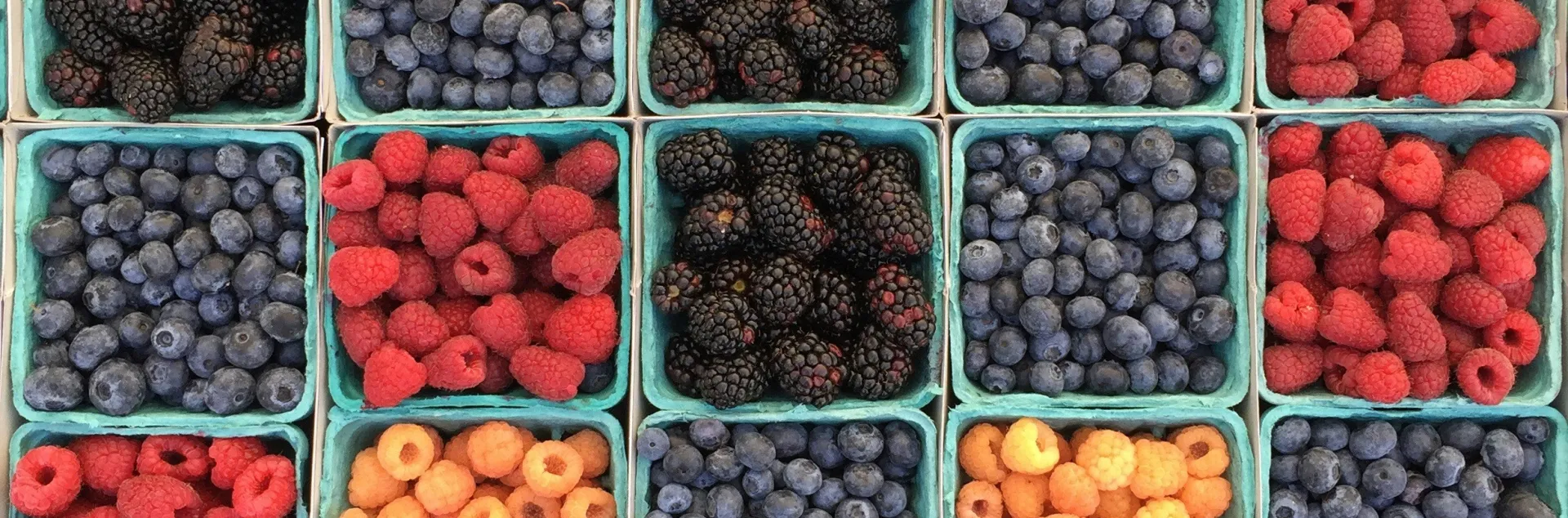
Berries are small, sweet or tart, often brightly colored, fruits containing small seeds but no large pits. While strawberries, raspberries, and blueberries are common culinary berries, the botanical definition of a berry is a fleshy fruit produced from a single flower with one ovary, including surprising examples like bananas, grapes, and watermelons. Berries are a nutritional powerhouse, providing fiber, vitamins, and antioxidants, which can benefit heart health, lower blood pressure, and reduce the risk of type 2 diabetes.
Berries can be frozen to preserve them. To freeze berries, clean and dry them, then spread them in a single layer on a parchment-lined baking sheet and freeze until solid. Once frozen, transfer the berries to airtight freezer bags or containers, label them, and store them in the freezer. Freezing them individually on a tray prevents clumping, so you can easily access the amount you need for smoothies or baked goods.
To dry berries, rinse and pat them dry, then spread them in a single layer on dehydrator trays or a parchment-lined baking sheet. Dry in a dehydrator, follow the dehydrator instructions, or oven at a low temperature (around 135-140°F or 57-60°C) for several hours until they reach a leathery, raisin-like consistency. Allow them to cool completely before storing in an airtight container for long-term preservation.
*Craze blueberries before drying them. Put berries in a colander or mesh basket. Dip them in boiling water for 30 seconds. Then immediately put under cold running water.
Blueberries have tough, waxy skin. Crazing them as described above will create micro cracks and fissures in the skin. These cracks will let the inner moisture escape in the dehydrator
**Please remember when looking for safe and approved recipes on the internet look for .edu which will lead you to recipes from university cooperative extensions. The only .com approved site is Ball as they continuously test recipes for safety.**
Recipes and sites for Berries
Triple Berry Crisp
Ingredients:
Cooking spray
1¾ cup fresh blackberries
1¾ cup fresh blueberries
1¾ cup fresh strawberries
3 tablespoons white sugar
¾ cup brown sugar
½ cup flour
½ cup oats
¾ teaspoon cinnamon
½ teaspoon nutmeg
1/3 cup butter
Directions:
Preheat oven to 375 degrees F. Spray the bottom and sides of an 8-by-8 inch baking pan with nonstick cooking spray.Wash berries. Do not let berries soak in water. Hull strawberries by removing the stems and green tops. Place blueberries, blackberries and strawberries in a mixing bowl. Sprinkle berries with white sugar and stir. Set aside. In a separate, large bowl, mix the brown sugar, flour, oats, cinnamon and nutmeg. Cut in the butter until crumbly. Pour berry mixture into baking pan. Sprinkle crumbly mixture over the berries. Bake for 30 minutes or until the top is golden brown.
Very Berry Salsa
Ingredients:
4 cups apples, finely diced
1 cup blueberries
1 cup strawberries, diced
1 cup raspberries, halved
1 cup blackberries, halved
1 tablespoon fruit preserves
½ tablespoon sugar
½ tablespoon brown sugar
Directions:
In a large bowl, combine apples and berries. In a small bowl, mix together preserves and sugars until well blended. Pour preserve mixture over fruit and toss to coat. Cover and chill in the refrigerator for at least 30 minutes.
Based on recipes from university extension services, such as the National Center for Home Food Preservation at the University of Georgia, Colorado State University, and the University of Missouri, here are reliable instructions and recipes for making fruit leather.
Basic fruit leather recipe
This method can be used for most types of fruit, with applesauce as a great base for a smooth, pliable texture.
Yield: One 13x15-inch sheet of fruit leather.
Ingredients
Fruit puree: 2 cups fresh, frozen, or canned fruit.
Acidity (optional, for light-colored fruits): 2 tsp lemon juice OR ⅛ tsp (375 mg) ascorbic acid for every 2 cups of puree.
Sweetener (optional): ¼ to ½ cup honey, corn syrup, or sugar for every 2 cups of puree. Honey or corn syrup is recommended for better texture and longer storage.
Applesauce (optional): Use as an extender for juicy fruits to improve pliability and speed drying.
Method
Prepare the fruit: Wash ripe fruit and remove stems, peels, seeds, and pits. Cut into chunks and heat to 160°F to ensure safety and prevent discoloration. This can be done by:
Steaming: Place fruit in a double boiler, cover, and steam for 15–20 minutes.
Microwaving: Place fruit in a covered glass casserole dish and microwave on high for 6–8 minutes per 2 cups of fruit, stirring every 2 minutes.
Make the puree: Transfer the cooked fruit to a blender or food processor and puree until smooth. For berries with large seeds, such as strawberries, press the cooked fruit through a sieve or food mill first.
Add ingredients: Mix in lemon juice or ascorbic acid for light-colored fruits, along with any optional sweeteners or applesauce.
Prepare the tray: Line a 13x15-inch baking sheet with plastic wrap, smoothing out any wrinkles. Do not use waxed paper or aluminum foil.
Pour the puree: Spread the fruit puree evenly onto the prepared tray, about ⅛-inch thick. Avoid pouring too close to the edges.
Dry the leather:
In a dehydrator: Place the tray in the dehydrator and dry at 140°F for about 6–8 hours.
In an oven: Place the tray in an oven set to 140–145°F, propping the door open 2–6 inches to allow moisture to escape. Dry for up to 18 hours.
Check for dryness: The leather is ready when it is no longer sticky to the touch and a fingerprint leaves no indentation. Cool and store: While still warm, peel the leather from the plastic wrap. Roll it up, allow it to cool, and then rewrap tightly in plastic wrap. Store in a cool, dark, dry place for up to one month or freeze for up to one year.
Fruit leather recipe variations
Blueberry-Applesauce: Combine 1 cup blueberry puree with 1 cup unsweetened applesauce. Add 2 tablespoons of honey (or to taste).
Strawberry-Rhubarb: Combine 1 cup rhubarb puree with 1 cup strawberry puree. Add 2 tablespoons of honey (or to taste).
Mango: For a mango-specific recipe, check the National Center for Home Food Preservation's instructions, which include pureeing and sieving the fruit before drying.
Pumpkin: Add pumpkin puree to fruit puree to thicken the mixture and add flavor. Combine one pound of strawberries, pureed, with about 3 tablespoons of pumpkin puree.
Yogurt-Fruit: For a creamy variation, mix gelatin with yogurt and spoon the mixture onto drying trays. This makes a soft, sticky leather.
*To find additional resources, consider searching a university's specific extension website rather than a general query. Search terms like [state] cooperative extension berry recipes pdf or [state] extension berry preservation will yield more precise results.
For example:
Kentucky cooperative extension berry recipes
Georgia cooperative extension canning berries
Washington State extension berry recipes
University of California Agriculture and Natural Resources
The UC Master Food Preservers program offers detailed, food-safe recipes for berries.
Bountiful Berries Recipes: This page links to multiple PDF recipes, including:
Making & Canning Berry Jam & Chart for Low Sugar/No Sugar Jam
BLUE-TIFUL RECIPES FOR BLUEBERRY MONTH
University of Maryland Extension
Jams & Jellies Canning Recipes | Ball® Mason Jars
https://www.ballmasonjars.com › recipes