
If you have limited space, growing tomatoes in containers is a great alternative to planting in the ground. Make sure to choose a sunny spot that gets at least 6-8 hours of direct sun and follow these tips for a successful growing season.
1. Choose the right tomato variety.
Select either determinate, dwarf or cherry style tomatoes. Determinate tomatoes are smaller, bushier, and generally do better in containers than Indeterminate varieties. New to our sale this year are four varieties of dwarf tomatoes from the Dwarf Tomato Project that have been bred specifically both to give full-sized tomatoes on smaller plants and to grow well in containers. See more about dwarf tomatoes here. Depending on the variety you pick, they still might require some staking with a trellis or tomato cage. Container-friendly varieties are clearly marked in our GTPS Tomatoes lists with the blue “Small Space/Container Friendly” note.
2. Plant in as large a pot as possible.
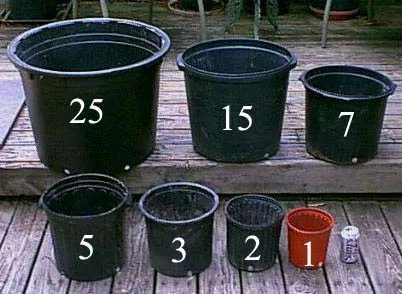
Tomato varieties vary on how large of a container is required. Ideally, 18” to 24” pots provide enough container soil depth for deep-rooted tomatoes. But some will do fine in a container that holds as little as five gallons of soil, such as a 14” tall bucket from a home improvement store, while others will need more than twice as much soil and a deeper container to thrive. Don’t forget to add drainage holes in your plastic bucket! All containers need drainage holes. If you are recycling an old pot, you should disinfect it with a bleach solution of 9 parts water to 1 part bleach.
3. Choose a good quality “potting mix.”
Potting mixes are specifically formulated for containers and are a better choice than garden soil or even planting mix. They frequently contain coir to hold moisture and provide the good drainage necessary for healthy root growth.
4. Plant your tomatoes deeply in the pot.
Plant your tomatoes in your container as deep as possible to promote additional root growth along the tomato’s stem.
5. Amend with nutrients throughout the growing season.
Tomatoes are “heavy-feeders” and require fertilizer in order to produce a healthy crop of tomatoes. Some potting soils contain fertilizer pre-mixed into soil. Be sure to read the label and follow directions. If not, select a general organic liquid fertilizer and follow the directions on the bottle to give your tomato plants adequate nutrients.
6. Water regularly.
Unless your container is connected to a drip system or has a built-in reservoir, your tomato plants are dependent on you for water. In full sun, plants in containers can dry out quickly. Both clay pots and grow-bags also dry out more quickly than a plastic pot. Keep soil consistently moist and water regularly—as often as once a day. Mornings when it is cooler is ideal. On windy days or in the heat of mid-summer you may need to water a second time. You can also place a large saucer under your pot that will fill with excess water to be reabsorbed by the plant later. Make sure to water at the base of the plant to keep foliage dry and disease-free.
Still have questions? Master Gardeners will be on hand during the Great Tomato Plant Sale to help you choose the best tomatoes and other vegetables for your particular growing conditions.
Go Back to Here's What's NEW in 2026
Go back to 2026 Great Tomato Plant Sale