
Elaine Kelly Applebaum, UC Master Gardener of Placer County
From The Curious Gardener, Spring 2021
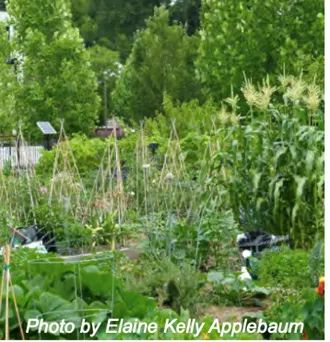
Audrey Hepburn once said, “to plant a garden is to believe in tomorrow.” So perhaps it was to be expected that people around the world would take the opportunity posed by stay-at-home orders last spring to grow vegetables, not only for practical reasons, but also as a symbol of hope for the future. Many had great success, as evidenced by the late summer shortage of canning jars.
But what if you failed? Or didn’t even know how to start? Don’t give up hope! With the basic tips and links to reliable information below you can avoid common mistakes and find success this year.
Give plants what they need.
It might be obvious, but plants won’t grow just anywhere (with the maddening exception of weeds). Each one has what is referred to as cultural requirements—the correct amount of light and water, temperature range, type of nutrients, soil qualities, etc. Fortunately, most vegetables have similar cultural requirements, which are listed below.
Most food crops require six to eight hours a day of full sun.
Some leafy and root crops are exceptions, as explained here. Plan placement so that taller crops won’t shade out shorter ones.
Vegetables need regular water and good drainage.
Most vegetables are classified as high water use plants; where they differ is in the depth of their roots. This, and your soil type, will impact how you should irrigate. Newly planted seedlings, shallow-rooted crops like corn and lettuce, and plants growing in sandy soils will need small amounts of water applied frequently. If you have clay soil and are growing plants like tomatoes that have deep roots, you’ll need to water less often but apply slowly for a long time to let it sink further down.
Pay attention to season and temperature.
Some vegetables grow during cool temperatures and others require heat, so you need to know which to plant when. It is a cruel joke of nature that we can’t grow cilantro (a cool season crop) at the same time as tomatoes and peppers (warm season crops) for fresh homemade salsa.
Temperature at planting time matters as well. Seeds require certain soil temperatures to germinate and young transplants can be damaged or killed by frost. Consult the Placer County Vegetable Gardening Guide or Western Sierra Foothills Gardening Guide to see when to plant seeds and transplants. Temperature extremes during the growing season can affect vegetable production. For instance, tomatoes may not set fruit when daytime temperatures exceed 90° or nighttime temperatures drop below 55°. Providing afternoon shade during the hottest days of summer and use of frost cloth during winter will help mitigate temperature extremes.
Provide the best soil possible.
Proper soil preparation goes a long way toward garden success. Few of us are blessed with having the light airy loam that veggies prefer, but adding organic matter such as compost will improve both heavy clay and rapidly-draining sandy soils while enhancing fertility. Vegetables prefer a soil pH around 6.8 and need a steady supply of nutrients, which may need to be added in the form of amendments or fertilizers. If you had disappointing results from last year’s garden despite all other cultural requirements being met, you may wish to have your soil tested and make any recommended adjustments.
Give plants space.
Avoid cramming vegetables together. If planted too closely, lack of air circulation and competition for water and nutrients will diminish plant health. Follow thinning guidelines on seed packets. Provide vertical supports like trellises or cages for vining crops to maximize space.
Diseases and Pests.
Proper cultural care will reduce the number of problems you’ll encounter, but diseases happen and there are insects and furry critters that want your vegetables as much as you do (they don’t have the option to buy them at the farmer’s market or grocery store!). We can’t address all the things that can go wrong here, but the UC Davis IPM website has detailed information on strategies for dealing with the insects, diseases, and other maladies that can strike common vegetables. Check it out, or contact the master gardeners in your county for help.
The document and websites listed under References below are excellent sources for additional information to give you the knowledge and confidence to plant a vegetable garden that will give belief in a better tomorrow.
References
Geisel, Pamela M. and Carolyn L. Unruh. Vegetable Garden Basics. UCANR publication 8059. 2002. https://ucanr.edu/sites/ucmgplacer/files/158618.pdf
Growing Vegetables in Placer County. UC Master Gardeners of Placer County. Division of Agriculture and Natural Resources, University of California.