Agriculture

Primary Image
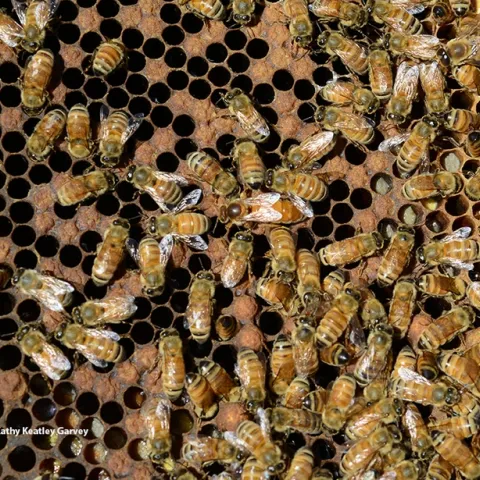
Honey bee geneticist Robert E. Page Jr. examines a swarm.
Entomology & Nematology News: Article

OLLI Virtual Courses: Honey Bees and Circadian Rhythms

December 3, 2021
By Kathy Keatley Garvey
Two geneticists affiliated with the UC Davis Department of Entomology and Nematology are each scheduled to teach a 2022 virtual course as part of the Osher Lifelong Learning Institute (OLLI), which offers educational programs for Davis area seniors, ages 50 and over.
View Article
Primary Image
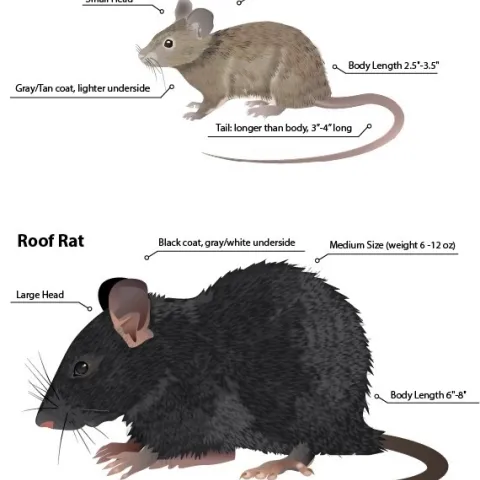
rat picture
Topics in Subtropics: Article

Rats and Raticides

December 3, 2021
By Ben A Faber
The IPM Hour is a monthly online seminar covering a variety of IPM-related topics and research. It's held the second Wednesday of each month at 12 noon Pacific Time and features two 20-minute presentations followed by 10 minutes of discussion each.
View Article
Primary Image
A honeybee (Apis mellifera) and a bumblebee (Bombus vosnesenskii) nectaring on a purple coneflower (Echinacea purpurea) in a UC Davis bee garden. (Photo by Kathy Keatley Garvey)
Bug Squad: Article

Are Honeybees the Most Effective Pollinators?

December 2, 2021
By Kathy Keatley Garvey
There they were. Together. The scene: A honeybee (Apis mellifera) and a bumblebee (Bombus vosnesenskii) nectaring on a purple coneflower (Echinacea purpurea) in a UC Davis bee garden. If you've observed honeybees and wild bees foraging in your garden, you've probably wanted to compare them.
View Article
Primary Image
A black fig fly laying eggs inside a green fig.
Pests in the Urban Landscape: Article

Black Fig Fly: A New Invasive Pest

December 1, 2021
The black fig fly is a new invasive species recently found in Southern California. It has been found in fig orchards in Los Angeles, Orange, Riverside, Santa Barbara, San Bernardino, San Diego, and Ventura counties. This small insect attacks only figs and prefers unripe or unpollinated fruit.
View Article
Primary Image
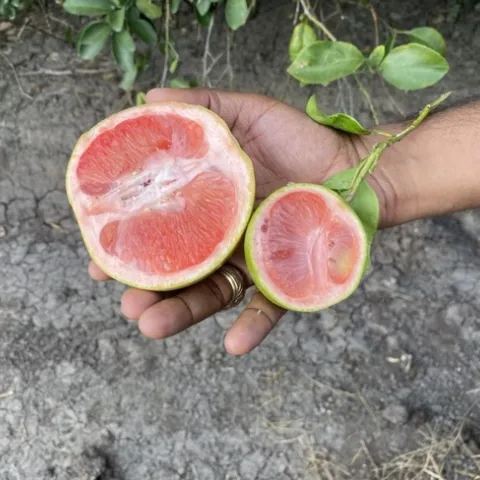
HLB area 2021
Topics in Subtropics: Article

HLB Update

December 1, 2021
By Ben A Faber
Huanglongbing Update As of November 5, a total of 2,619 trees and 368 ACP have tested positive via PCR for the bacterium that causes HLB. The most recent activity has been in Orange and San Bernardino counties.
View Article