UC ANR is committed to providing an accessible and inclusive web experience for all users. If you encounter an accessibility barrier or need content in an alternative or remediated accessible format, please contact anraccessibility@ucanr.edu.
The California Department of Food and Agriculture (CDFA), through its Citrus Pest & Disease Prevention Program, has developed a mobile-friendly, Spanish-language training video. It's for use by field crew supervisors and farm labor contractors prior to harvest.
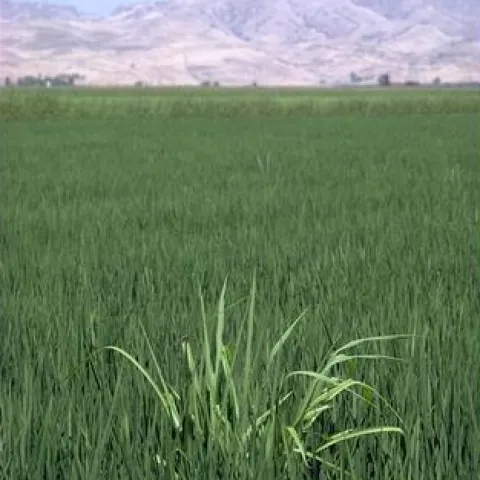
From the Small and Organic Farm Advisor Blog Johnsongrass in organics: Mow it? Yes, mow it! Mowing works to at least prevent seed spread and regular mowing will weaken rhizomes. Seed establishment has the greatest potential for the establishment and spread of johnsongrass and must be prevented.
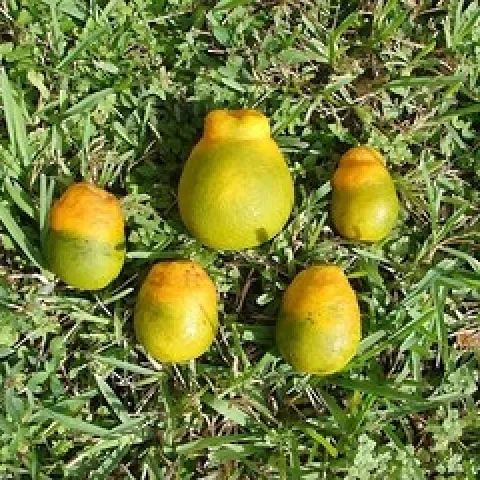
A Solution for the devastating bacteria causing citrus huanglongbing? UC Riverside scientists have found the first substance capable of controlling Citrus Greening Disease, which has devastated citrus farms in Florida and also threatens California. Oranges afflicted with Citrus Greening Disease.
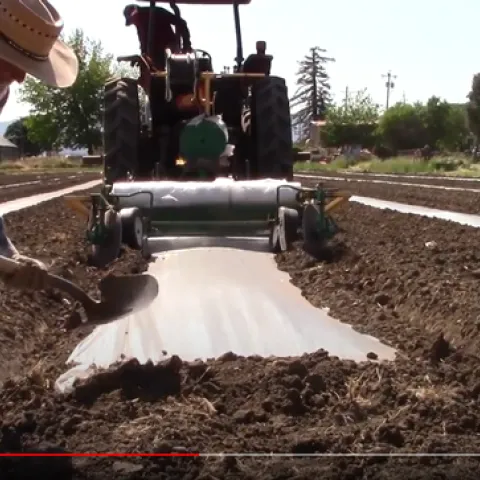
The days are long and the temperatures are high. This is a great time to solarize the soil in the Central Valley as a way to manage annual weeds and improve the growth of fall crops.
UC Riverside scientists have found the first substance capable of controlling Citrus Greening Disease, which has devastated citrus farms in Florida and also threatens California.
July 7, 2020 Generating and preserving surface residues on the soil despite being one of the core principles of just about all of the soil health movements and government programs these days has had very little play in most agricultural fields in California now for nearly ninety years.
Why are avocado roots coarse, but dense, while grass roots are a fine mat? It has long been one of the best kept secrets in the underground world: what determines the variation in form and function of plant roots?
The honey bees love it. So do the long-horned bees, bumble bees, carpenter bees, European paper wasps, syrphid flies, butterflies, blister beetles, spotted cucumber beetles, crab spiders, praying mantids, and assorted other insects.