UC ANR is committed to providing an accessible and inclusive web experience for all users. If you encounter an accessibility barrier or need content in an alternative or remediated accessible format, please contact anraccessibility@ucanr.edu.
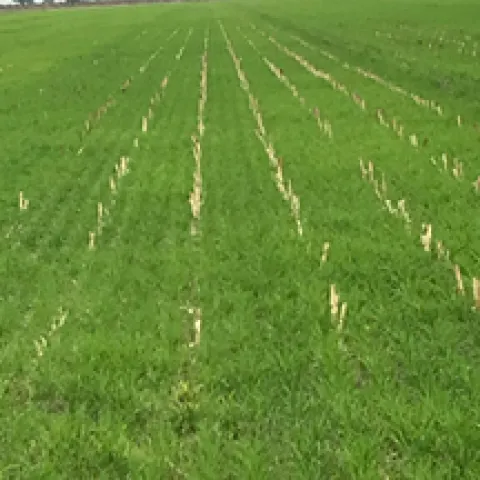
Sorghum is not only a potential drought-tolerant crop for the San Joaquin Valley, it also presents the opportunity for scientists to understand the mechanism behind drought tolerance at the genetic level, said UCCE sorghum specialist Jeff Dahlberg in a segment on ABC 30 Action News.
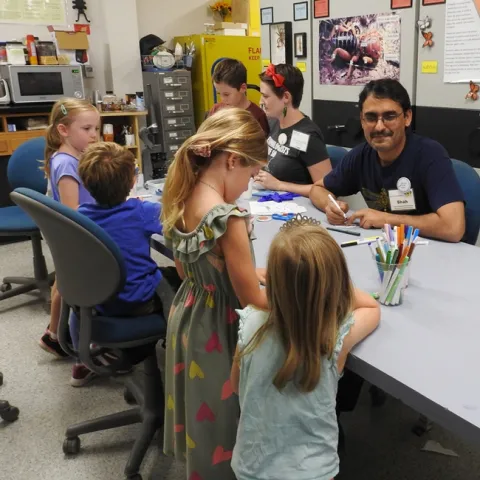
If you want to know what it's like to eat a bugdoesn't everybody?--ask an entomologist, a bug ambassador, or an entomophagist, one who eats insects. So we didBecause the Bohart Museum of Entomology is hosting an open house on entomophagy from 1 to 4 p.m., Saturday, Sept.
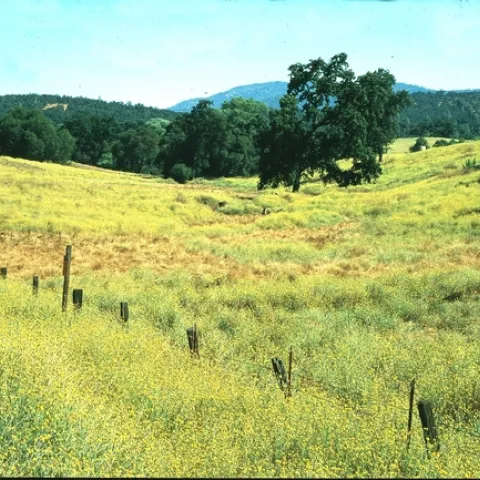
Before the San Joaquin Valley was cultivated, vast grasslands stretched from the Sierra to the Coast Range with soil that contained significant organic matter a diversity of live and dead plant material and microbes that are key to soil health.
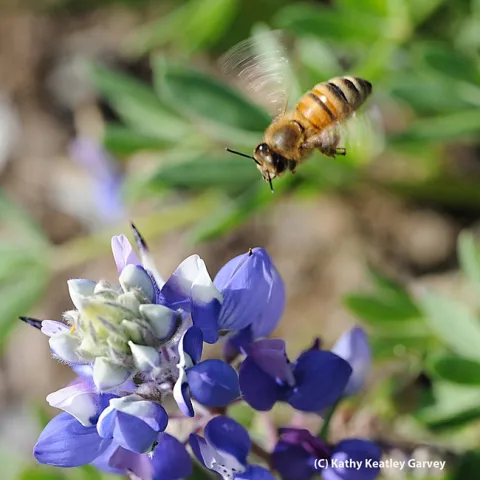
If you're around honey bees, you've seen their predators: crab spiders, orb weavers, praying mantids, birds and more. It's a tough world out there for pollinators.
Bee scientist James Nieh, a UC San Diego professor in the Section of Ecology, Behavior and Evolution, Division of Biological Sciences, will present the first fall quarter seminar hosted by UC Davis Department of Entomology and Nematology.
The UC Davis Storer Lectures for the academic year, 2019-2020 have been announced. They begin Oct. 15 and conclude on April 16, announced Jennifer Lynn Voight (jlvoight@ucdavis.edu).
Ever eaten a bug? Sure you have. Insect fragments are in just about all the foods we eat, from chocolate to coffee to wheat flour to pizza sauce to beer and more. An insect control company estimates that we eat, on the average, 140,000 "bug bits" every year. (See Business Insider.
This bug's for you. Ever tasted a cricket? A mealworm? An earthworm? You can if you attend the Bohart Museum of Entomology open house themed "Gobble, Gobble, Munch, Munch, Crunch: Entomophagy, to be held from 1 to 4 p.m., Saturday, Sept.
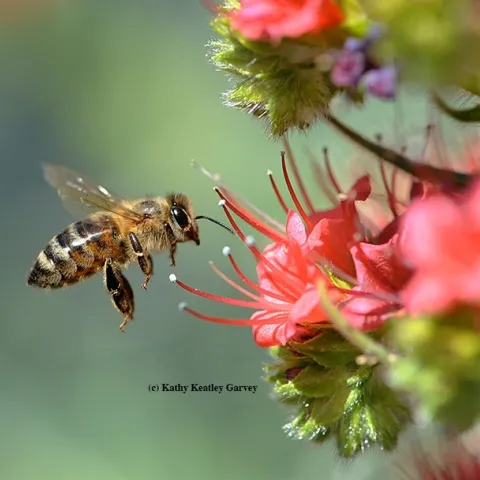
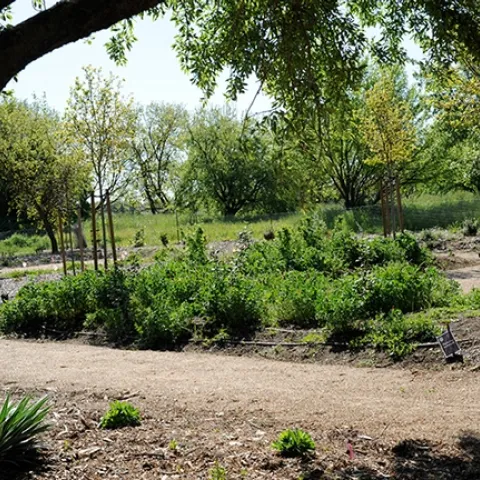
It was the fall of 2009 when a half-acre bee garden on Bee Biology Road, UC Davis campus, sprang to life. Headlines on colony collapse disorder dominated the news media, as scientists declared "honey bees are in trouble.