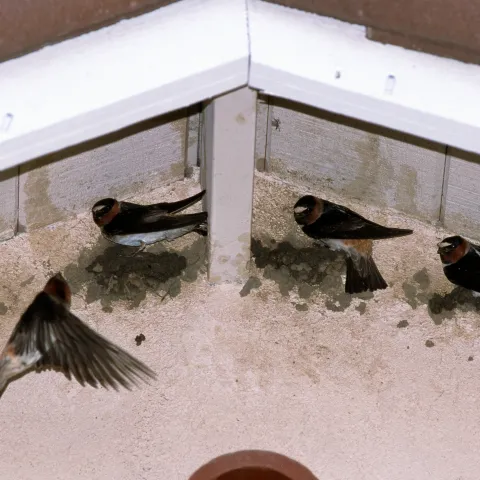
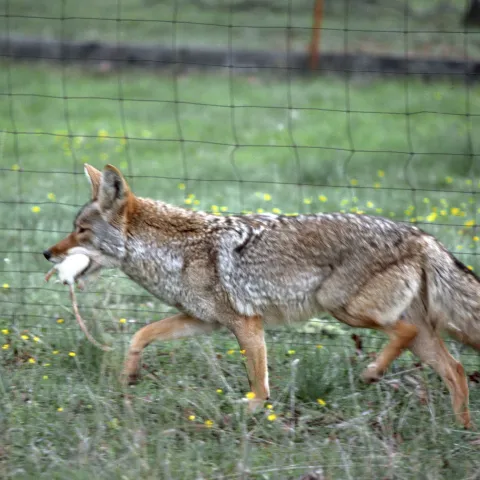
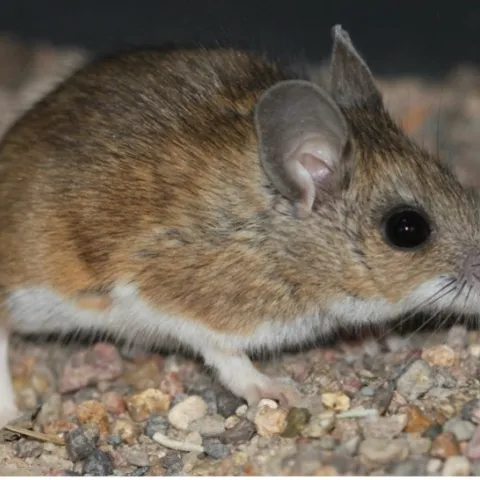
The Sherwood Demo Garden is comprised of 16 individual gardens. The Butterfly Garden is designed to attract butterflies and pollinators of all kinds. Come take a look at all the pollinating visitors that have been attracted to our garden!
Living in Harmony A Tahoe Friendly Garden considers the pros and cons of which critters you want to invite in your yard. Berries, seeds, and leaves are an important food source for birds, mammals and beneficial insects and plants provide nesting materials and shelter from predators and the elements.
CALIFORNIA NATURALIST: DISCOVERY. ACTION. STEWARDSHIP. The California Naturalist Handbook provides a fun, science-based introduction to Californias natural history with an emphasis on observation, discovery, communication, stewardship and conservation.
Help monarch butterflies thrive! Explore pollinator habitats at Lake Merritt Trials Garden and join as a citizen scientist to support conservation efforts.
Discover how to manage and ID mammal pests at home - effective strategies to protect home and garden from squirrels, gophers, moles, voles, raccoons, and more.
UC IPM recently hosted a webinar on rat management presented by Dr. Niamh Quinn. During this webinar attendees were able to ask the expert their burning questions about rats and their management. Below are responses to common questions from the webinar.
With Thanksgiving approaching, turkeys are on many of our minds. But for those that live in a neighborhood with frequent turkey visitors, you might think of them more often. Like most creatures, turkeys are not always considered a pest, and some people may even enjoy seeing them.
A line of pushed up grass. A volcano sized mound. Yep, it's probably a mole! While you may never actually see the mole itself, the signs of their presence are pretty clear. Moles are small burrowing mammals (not rodents) that live almost entirely underground in extensive tunnel networks.
By Niamh M Quinn, Roger A Baldwin, Carolyn Whitesell
With the passing of law AB 1322 in 2023 and the recent passing of AB 2552 in September 2024, the options for managing California ground squirrels using lethal methods in urban areas will be more limited.