UC ANR is committed to providing an accessible and inclusive web experience for all users. If you encounter an accessibility barrier or need content in an alternative or remediated accessible format, please contact anraccessibility@ucanr.edu.
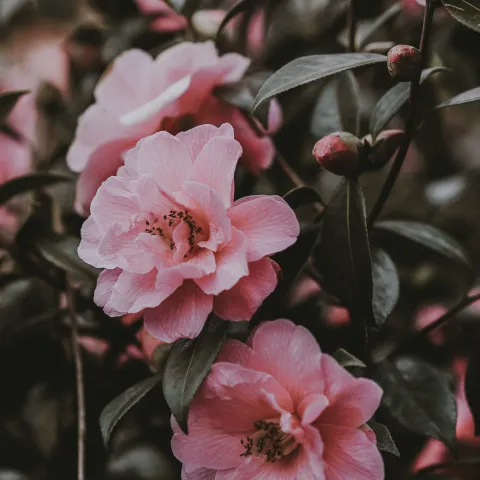
Pick up dropped camellias to avoid petal blight. Photo: Annie Spratt, unsplash Maintenance and prevention Inspect irrigation system for leaks and non-functioning emitters and sprayers. Run the system for a few minutes, paying close attention to which emitters are not working.
Sharpen your pruners with a file regularly. Photo: L Stiles Good tools need regular care to keep them working properly and safely. Cleaning your tools is also important to prevent the spread of disease-causing pathogens.
When to plant: January to early February
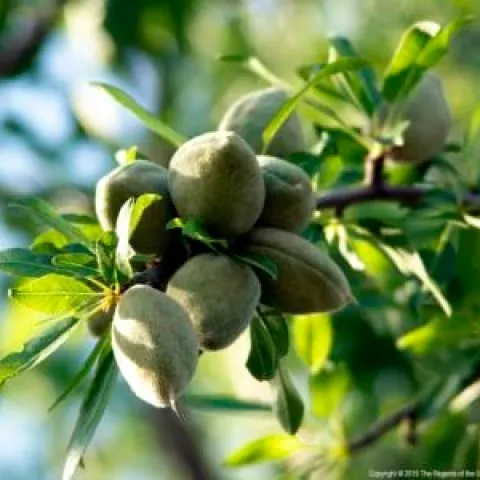
Harvest window: August to October, depending on variety
Fertilization: Nitrogen in spring, additional applications based on tree age, health, and soil quality
Prune in early winter (December to January)
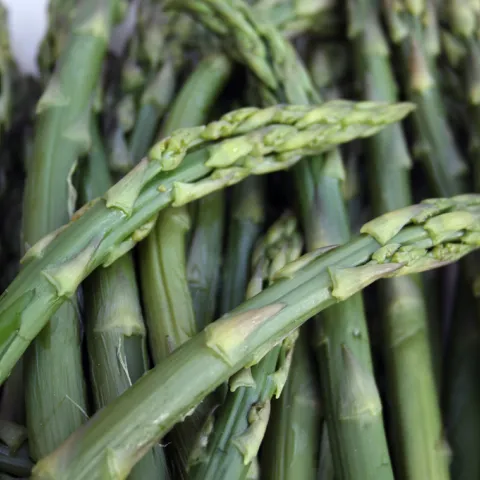
Asparagus is a perennial plant that can produce for years if grown with care. Choose a site in full sun and prepare the soil well. The plants send up 5-foot tall, ferny growth over the summer, so plant them where they won’t undesirably shade other plants.
Asparagus plants can be either male or female. The…
Something in your garden or home bugging you? Do your roses have strange spots? Is something eating your tomatoes? The Merced Master Gardeners are here to help! Contact our Helpline to get answers to your garden challenges and pest problems. Send an email to anrmgmerced@ucanr.edu.
Photo: Daria Rem, Pexels If you revel in the array of tones and textures in our garden, you can bring that feeling indoors with a few well-placed houseplants. Houseplants create a sense of colorful coziness, along with the added bonus of purifying the air you breathe.
Learn effective landscape watering strategies for drought conditions, helping conserve water while keeping plants healthy and thriving during dry spells.
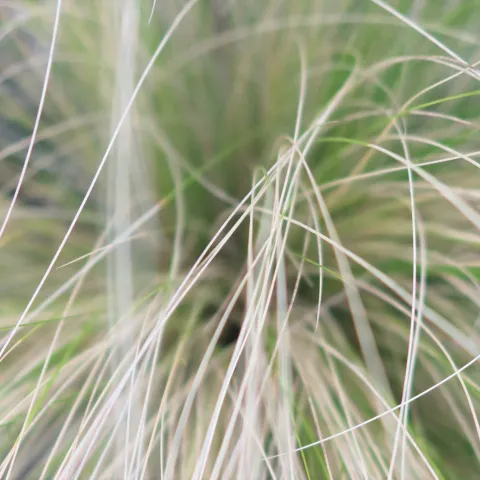
These are evergreen grasses that look good all year. Water Provide water during periods of drought; if not watered during these times, they tend to go dormant which results in brown foliage. Feed Dont add fertilizer; will become floppy if too much is added.
Protect sensitive plants from cold injury when frost is predicted. Photo: Courtesy UC Regents Maintenance and prevention Chop up cover crop foliage into small pieces if you grew a cover crop. Turn under or add the clippings to your compost pile.