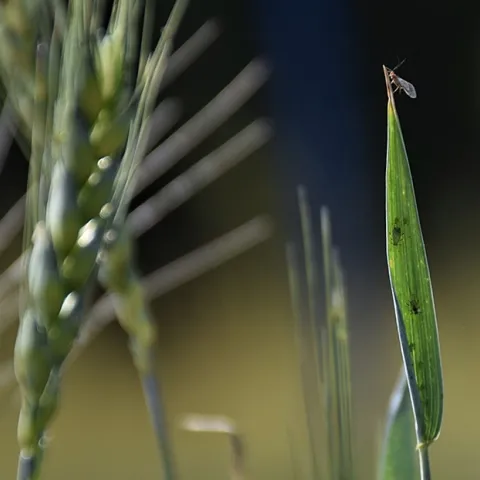
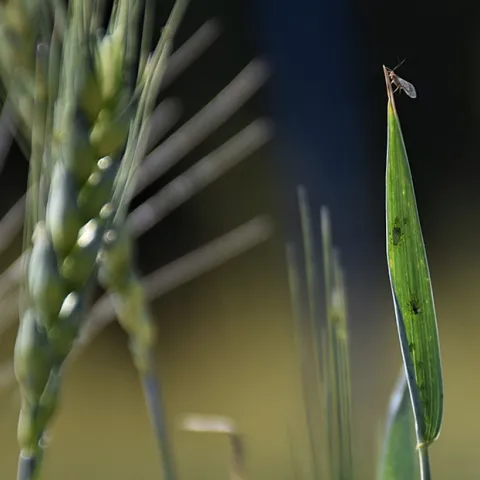
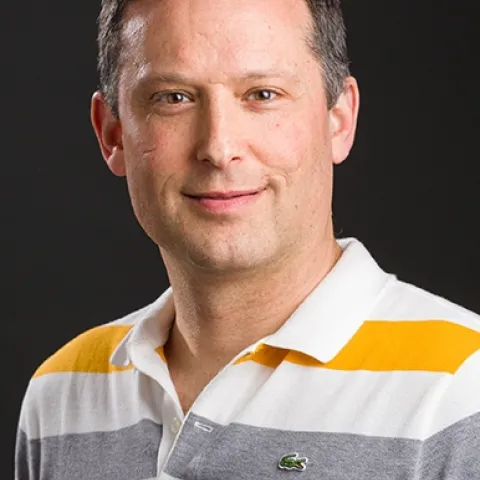
"To Be an Aphid in a Cruel World: How Abiotic and Biotic Stressors Influence Plant-Insect Interactions." That's the title of a virtual seminar to be presented Wednesday, Feb.
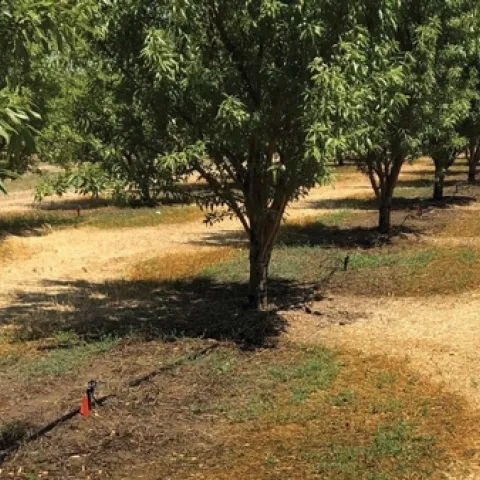
From the Tree Nut Farm Press :: Feb. 17, 2021 Weed management is important even in offseason Lee Allen | Feb 17, 2021 It's a never-ending task to keep weeds under control.
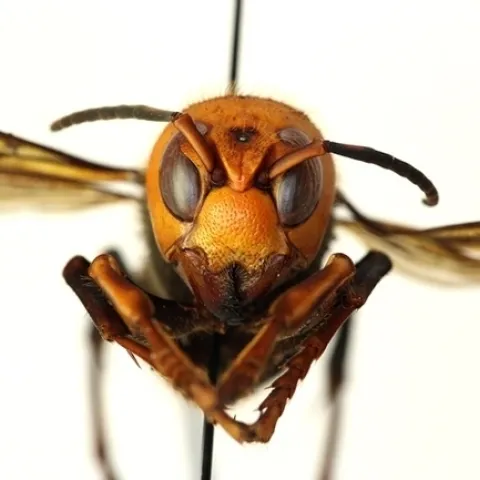
Upcoming UC Davis Biodiversity Museum Month live talks and demonstrations include: Asian giant hornets (aka "murder hornets"): 1 to 2 p.m., Thursday, Feb.
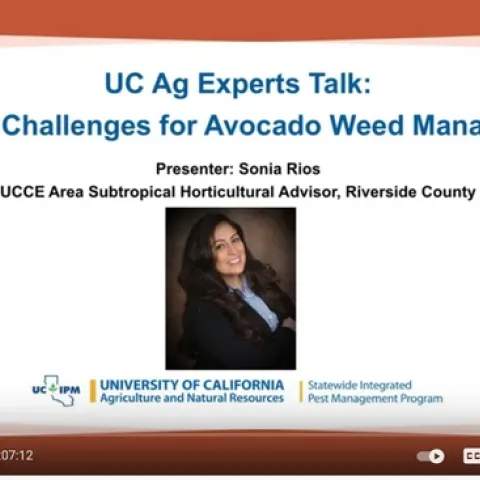
If you missed the UC Ag Experts Talk on... Current Challenges for Avocado Weed Management Sonia Rios, UC Cooperative Extension Area Subtropical Horticultural Advisor, Riverside County the recording is now available: https://youtu.be/7zFFeJWGvyE. UC Ag Experts Talk website: https://ucanr.
Want to learn about "murder hornets?" Entomologists cringe every time someone substitutes the moniker, "murder hornet," for the Asian giant hornet, Vespa mandarinia.
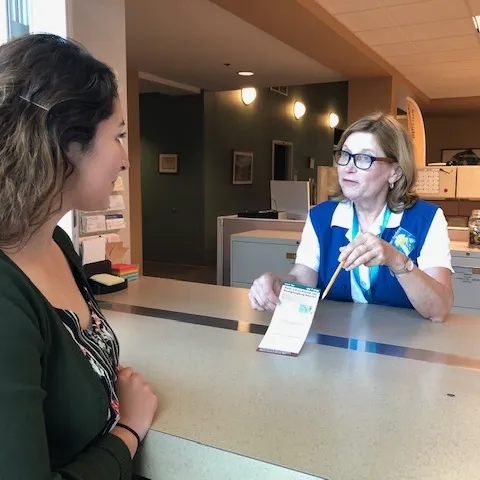
Recently, one of our Master Gardeners wrote an article called Planning and Prepping Your Spring Garden. We hope you found these tips helpful, and would like to offer more help.
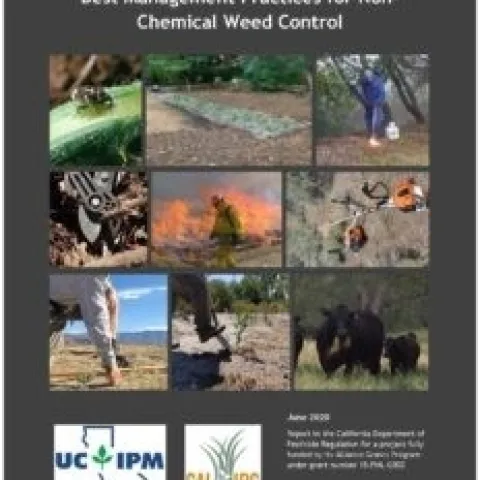
Best Management Practices for Non-Chemical Weed Control This manual provides comprehensive descriptions of 21 commonly used non-chemical weed control techniques and of biological control agents for 18 weed species/species groups that will help you as a practitioner treat weeds more effectively.
Research scientist and lecturer Brian Weiss of Yale University's Epidemiology of Microbial Diseases, New Haven, Conn., will speak on "Metabolic Complementation Between Members of the Tsetse Fly Holobiont" at the next UC Davis Department of Entomology and Nematology seminar, set for 4:10 p.m.