UC ANR is committed to providing an accessible and inclusive web experience for all users. If you encounter an accessibility barrier or need content in an alternative or remediated accessible format, please contact anraccessibility@ucanr.edu.
Mark your calendars for a "parade of parasitoids!" The Bohart Museum of Entomology at the University of California, Davis, is sponsoring its annual "Parasitoid Palooza" open house on Saturday, Oct. 19 from 1 to 4 p.m. in Room 1124 of the Academic Surge Building on Crocker Lane.
Yes, he began his career studying honey bees. The late Robbin Thorp, the renowned UC Davis distinguished emeritus professor of entomology and global bee authority who will be memorialized at a celebration of life on Friday, Oct. 11 at 6 p.m.
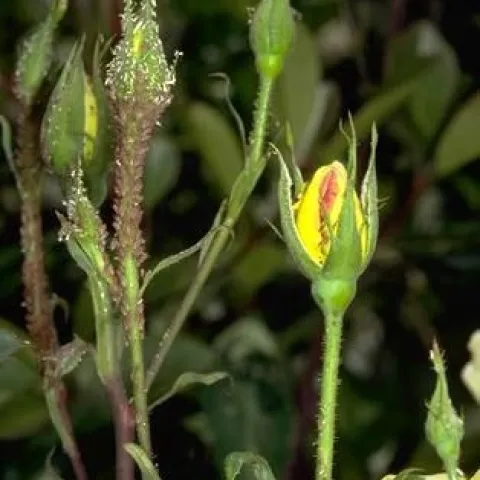
Roses are popular ornamental plants grown in home gardens, parks, and other landscapes. Just like other plants, roses can be host to a number of insects and mite pests.
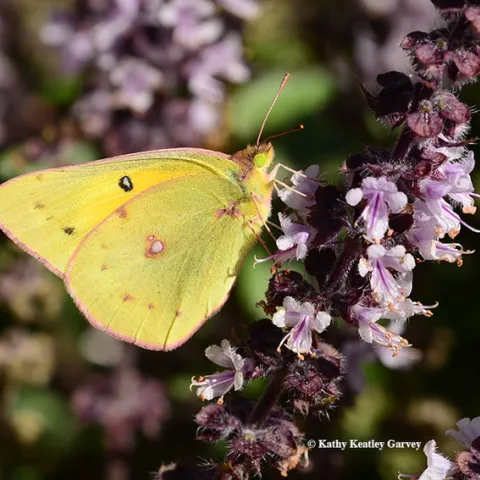
It's a strikingly beautiful insect. But in its larval stage, the alfalfa butterfly, Colias eurytheme--also known as the orange sulphur butterfly--is a pest. If you grow alfalfa, you're not a fan of this butterfly, and rightfully so.
If you are a license or certificate holder from the California Department of Pesticide Regulation (DPR) and your last name begins with the letters M through Z, this is your year to renew your license.
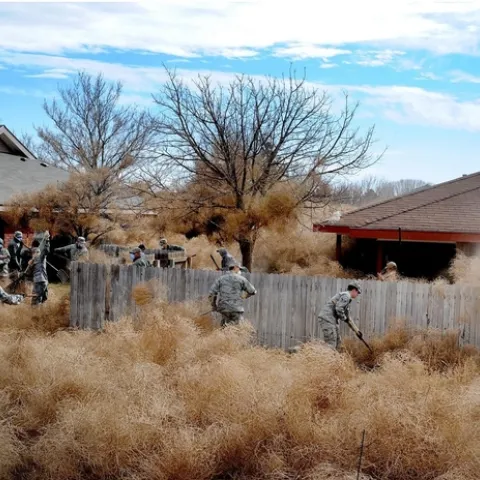
A new species of gigantic tumbleweed once predicted to go extinct is not only here to stay -- it's likely to expand its territory. The species, Salsola ryanii, is significantly larger than either of its parent plants, which can grow up to 6 feet tall.
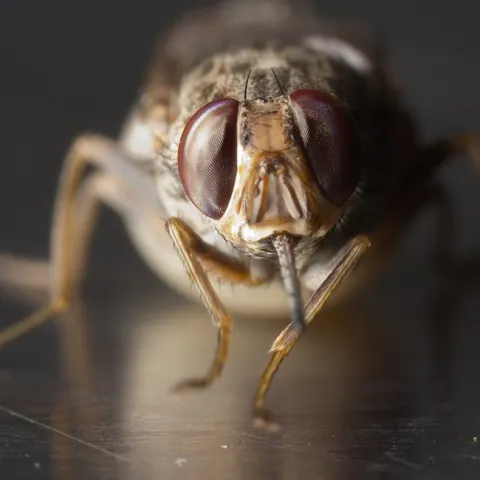
Consider the tsetse fly. The blood-sucking insect, which transmits the parasite that causes human and animal trypanosomiasis, has wreaked havoc in African countries.
Native California elderberries can be found at the intersection of sustainable farming, super nutrition and economic viability. Naturally drought tolerant, flavorful and packed with nutrients, they are capturing the interest of farmers, health-conscious consumers and scientists.
As the summer heat is finally nearing its end, and its officially fall on the calendar, there unfortunately is a new crop of weeds flowering right now. Some of our summer annuls have started to go to seed, others are just about ready, and others are already starting to senesce.