UC ANR is committed to providing an accessible and inclusive web experience for all users. If you encounter an accessibility barrier or need content in an alternative or remediated accessible format, please contact anraccessibility@ucanr.edu.
Gophers are well-known and certainly unwelcome pests in landscapes, gardens, lawns, and athletic turf. More correctly called pocket gophers, these rodents mostly remain hidden underground in tunnels and feed on plants from below, sometimes pulling whole plants into their tunnels.
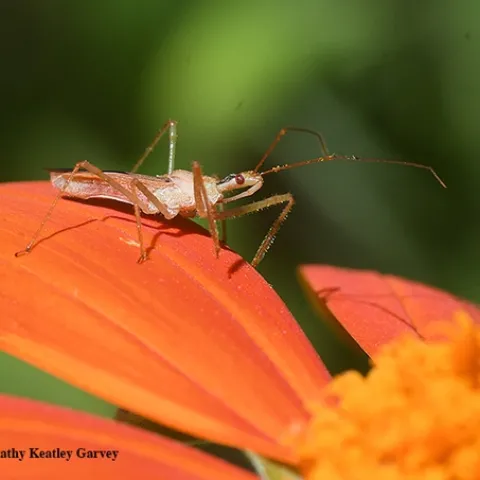
A pollinator garden is a study in diversity--and of inclusion and exclusion. The residents, the immigrants, the fly-bys, the crawlers, the wigglers, the jumpers. The big, bad and bugly. The prey and the predators. The vegetarians and carnivores.
A strawberry field in Nipomo (Photo by Surendra Dara) The traditional Integrated Pest Management (IPM) model is focused on maintaining ecological balance in the cropping system with some attention to the economics of pest management related to the yield losses.
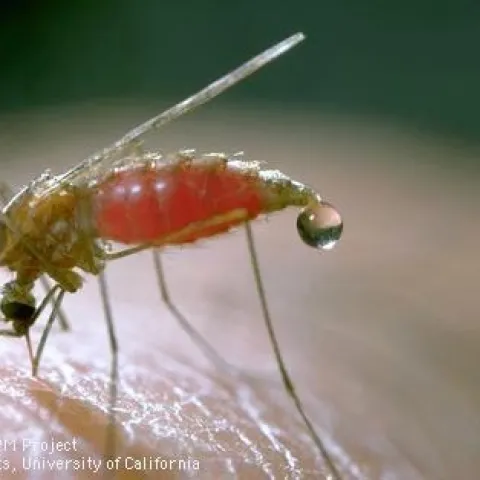
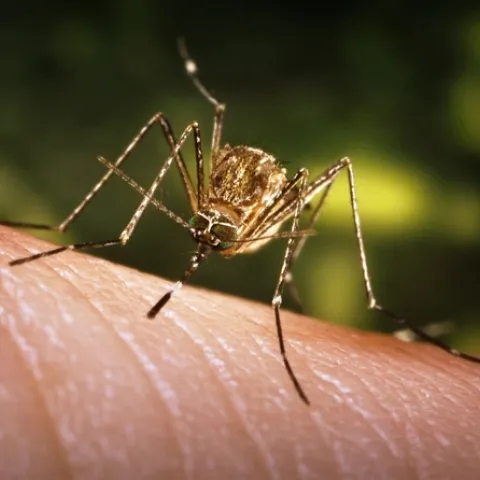
In Part I, we discussed why mosquitoes bite, and which mosquito species can spread West Nile and Zika virus. Now, let's talk about what mosquitoes need to reproduce, how to prevent them from breeding around your home, and best methods to protect yourself and your family while outdoors.
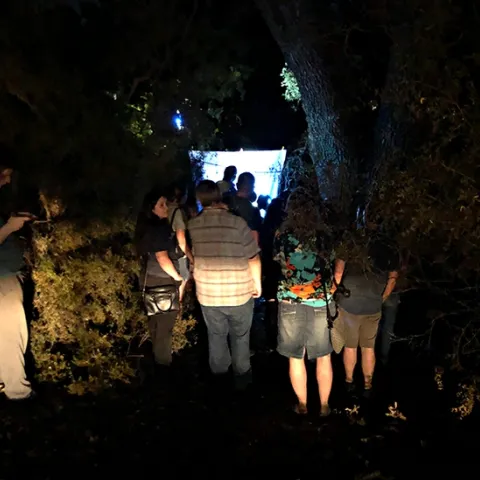
Oh, what a (Moth) Night! It was a family night in more ways than one. Families who attended the Bohart Museum of Entomology's annual Moth Night last Saturday, Aug. 3, not only saw specimens from scores of insect families inside the UC Davis insect museum, but outside as well.
You've probably read a lot lately in the news about West Nile virus and Zika virus. In mid-June, the first human case of West Nile virus in Stanislaus County was diagnosed. This past week, mosquitoes that can carry the Zika virus were found in our county.
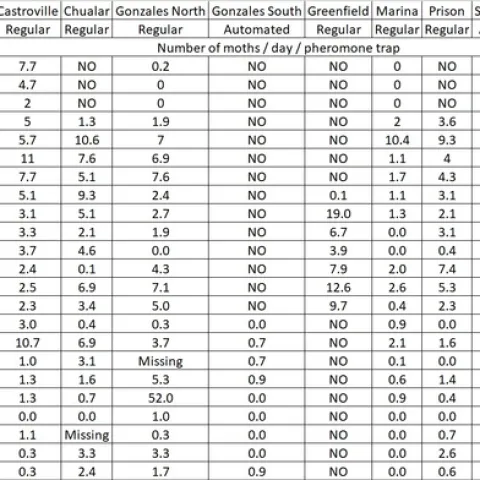
Last year, this pest was present in large numbers during August and September. The idea is to have additional data from the pheromone traps to inform the IPM decision making process. Below is a table showing the number of moths per day and per trap since February. Table 1.
Do you work at or service a school or multiple schools? If so, the California Department of Pesticide Regulation (DPR) is seeking your input about the Healthy Schools Act.
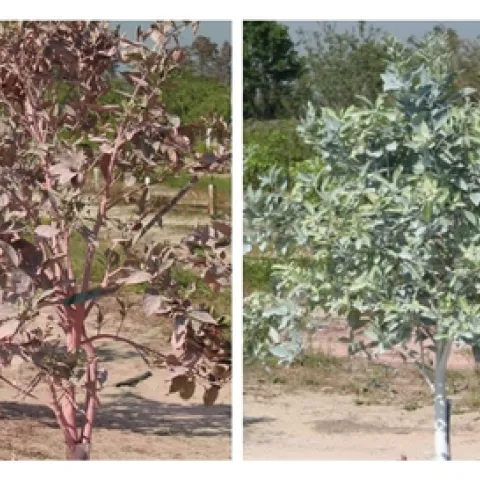
The particle films are applied to crops to manage environmental challenges like high heat or sunburn, or manage pests, such as aphids or psyllids. Particle films can reduce infestations because the particle films hide the natural plant colors that help some insects find their plant host.
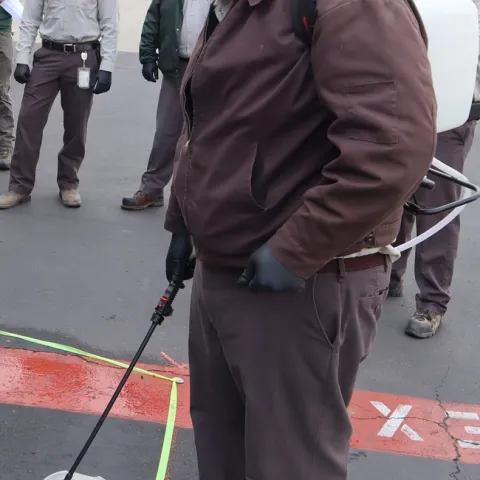
Applying the wrong amount of pesticide can result in poor control if not enough is used; too much being applied can lead to waste and possibly illegal usage. If pest control is insufficient, the end result might be a second application that will be more expensive due to the cost of labor involved.

![Adult pocket gopher peeking out of a burrow entrance. [Credit: T. Chalmers]](/sites/default/files/styles/large_square/public/2019-08/blog62454.jpg.webp?h=441588bd&itok=2xlY6Mbc)