UC ANR is committed to providing an accessible and inclusive web experience for all users. If you encounter an accessibility barrier or need content in an alternative or remediated accessible format, please contact anraccessibility@ucanr.edu.
Pest Management & Plant Health
Primary Image
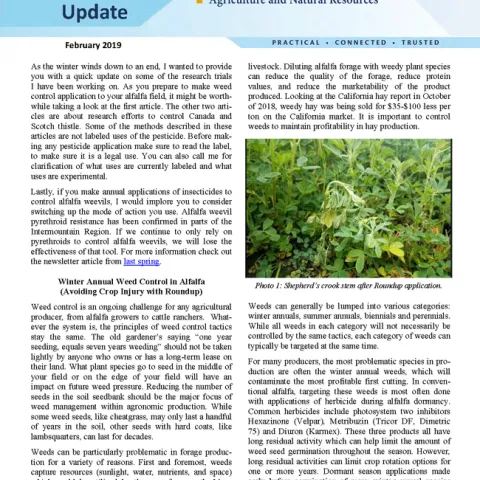
UC Weed Science (weed control, management, ecology, and minutia): Article
The UC Davis Department of Entomology and Nematology won four major awards from the Pacific Branch, Entomological Society of America (PBESA), which encompasses 11 Western U.S. states, plus several U.S. territories and parts of Canada and Mexico.
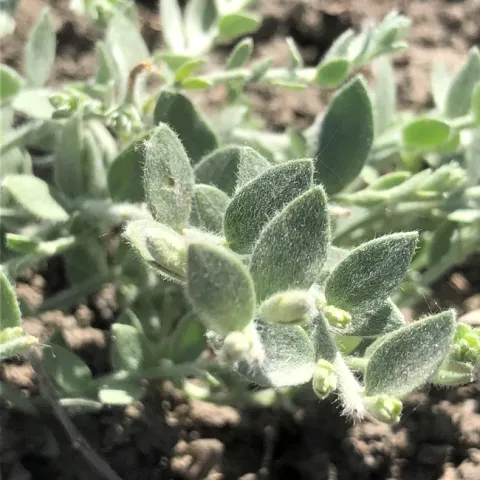
NOTE: A graduate student at CSU Fresno is looking to describe the geographic distribution of alkaliweed in California. Please see the end of the article for a link to a QUICK survey describing where YOU have encountered this species.
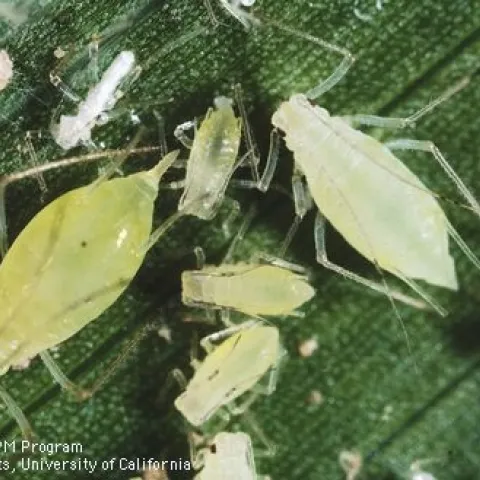
Just like humans, pests need food, water, and shelter to live. Unfortunately, we may unknowingly attract and even invite them to live in and around our homes! Pest Attractors and Supporters Some pests prefer to live outdoors, while others like the ambiance inside your garage or home.
Want to know what bug is making holes in the leaves of you shrub or eating your fruit? Or what is the pesky weed you cannot get rid off? The University of California Division of Agriculture and Natural Resources publications have four sets of Pest Identification cards for you.
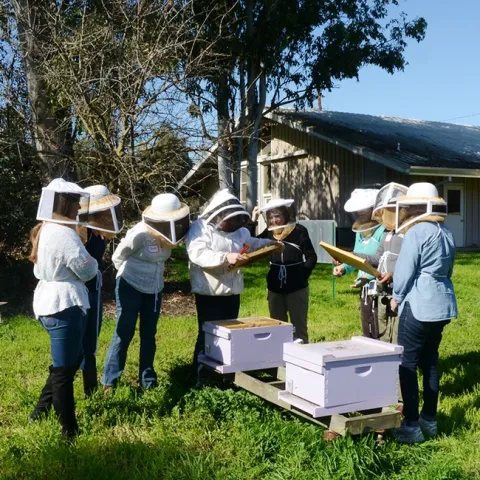
Want to learn how to keep bees? The University of California, Davis, is offering two classes in mid-March: the first on Saturday, March 23 and the second on Sunday, March 24.
[This post has been modified from the article originally published in the Fall 2018 issue of the Retail Nursery and Garden Center IPM News.] Citrus leafminer is a moth that arrived in California in 2000 and has invaded citrus throughout the state.
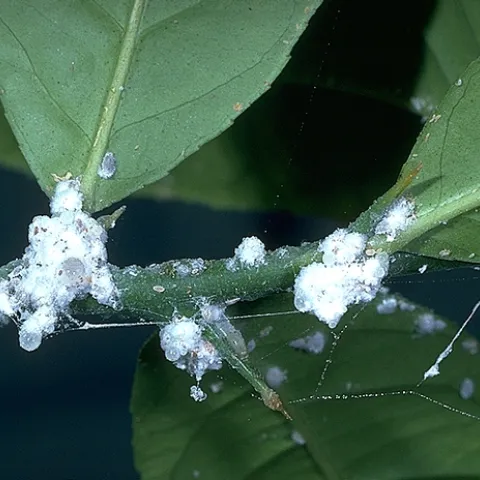
[This post has been modified from the article originally published in the Fall 2018 issue of the Retail Nursery and Garden Center IPM News.] As a home gardener, you may find big white bugs clinging to the twigs and leaves of your citrus trees and need help with identifying and managing these pests.
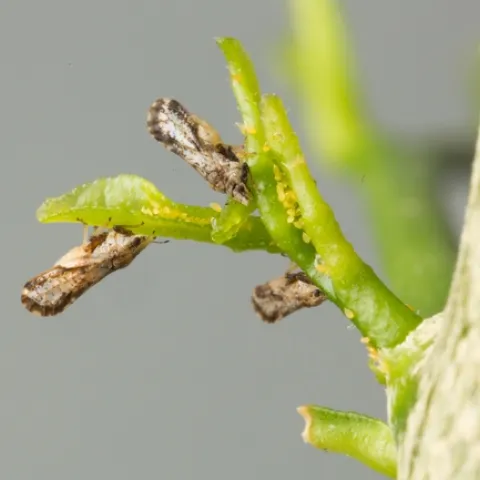
[This post has been modified from the article originally published in the Fall 2018 issue of the Retail Nursery and Garden Center IPM News.] The Asian citrus psyllid, Diaphorina citri, is a tiny, mottled brown insect about the size of an aphid (Figure 1).
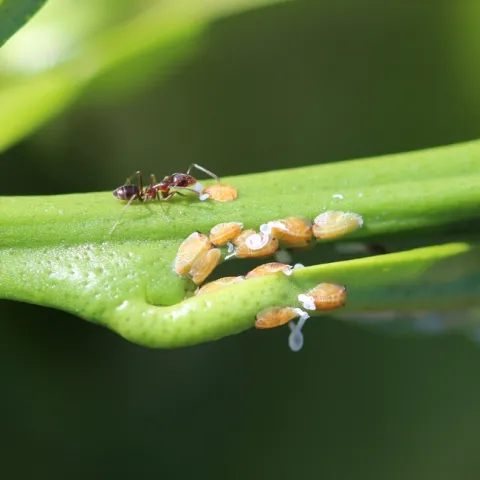
[This post has been modified from the article originally published in the Fall 2018 issue of the Retail Nursery and Garden Center IPM News.] Most citrus tree problems in home gardens can be solved by pruning the trees to allow better air flow and by controlling ants.