Invasive Species Management

Primary Image
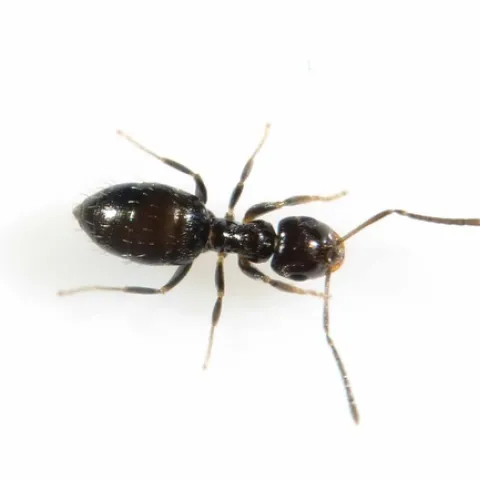
Figure 1. Dark rover ant worker. (Credit: Siavash Taravati, UC IPM)
Pests in the Urban Landscape: Article

Dark Rover Ant: Current Status in California

October 10, 2018
By Siavash Taravati
[From the Fall 2018 issue of UC IPM's Green Bulletin newsletter] The dark rover ant (Brachymyrmex patagonicus) is an invasive species which is increasingly being noticed in Southern California. It is a nuisance species that invades structures as both workers and winged (alate) individuals.
View Article
Primary Image
Don't Move Firewood!
Pests in the Urban Landscape: Article

Don't Move Firewood!

August 23, 2018
By Anne E Schellman
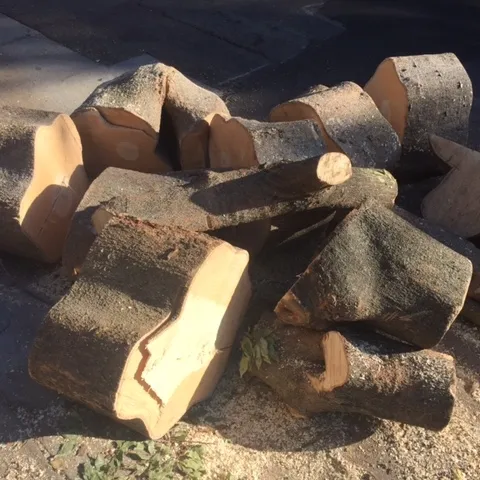
[From the Summer issue of the UC IPM Retail Nursery & Garden Center News] When you use firewood in the great outdoors, be aware that moving firewood can transport tree-killing insects and diseases.
View Article
Primary Image
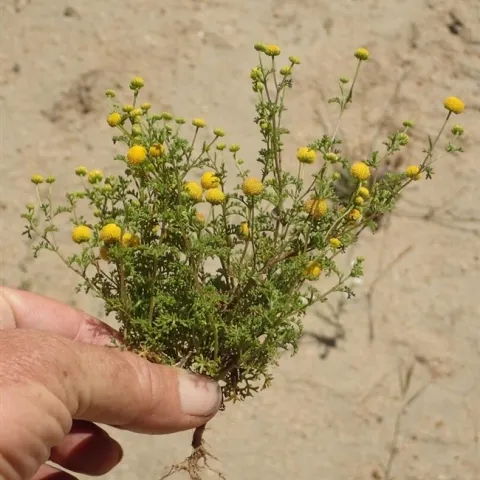
Stinknet plant. (Credit: Ron Vanderhoff)
Pests in the Urban Landscape: Article

Stinknet, an Emerging Invasive Weed

August 8, 2018
By Cheryl A Wilen
I recently attended a Santa Ana River Orange County Weed Management Area (SAROCWMA) meeting and there was an opportunity for participants to update the group about new invasive plants as well as give an update on management of these and others.
View Article
Primary Image
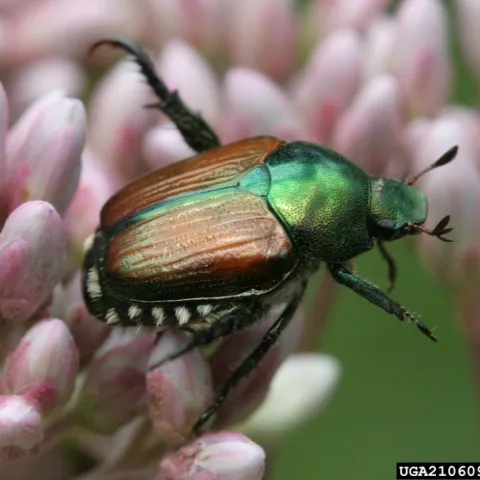
Japanese beetle. Credit: D. Cappaert, Bugwood.org)
Pests in the Urban Landscape: Article

Seeing Japanese beetles in your California landscape? Not likely.

July 10, 2018
By Karey Windbiel-Rojas
Originally posted August 26, 2016; edited July 10, 2018 Have you seen big green beetles in your California yard or garden? Or beetles feeding on your roses or other plants? There are many kinds of beetles commonly found in our landscapes, but the Japanese beetle is not one of them.
View Article
Primary Image
Red imported fire ant. (Credit: Bugwood.org)
Pests in the Urban Landscape: Article

Invasive Spotlight: Red Imported Fire Ant

June 8, 2018
By Anne E Schellman
The red imported fire ant, or RIFA for short, is no ordinary red ant. This invasive pest lives up to its name, delivering a sting that causes a burning sensation when its venom is injected into the skin. People sometimes confuse RIFA with the native southern fire ant.
View Article
Primary Image
Discolored patches on bark from polyphagous shot hole borer adults boring into a tree trunk. (Credit: Akif Eskalen Lab, UC Riverside)
Pests in the Urban Landscape: Article

Invasive Spotlight: Shot Hole Borers and the Diseases They Carry

June 7, 2018
By Anne E Schellman
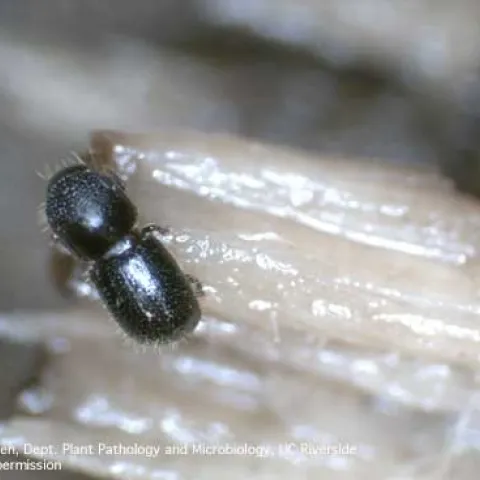
Shot hole borers are tiny insects the size of a sesame seed that don't look particularly harmful, but don't let their diminutive size fool you. Two of these borers are invasivethe polyphagous shot hole borer and the Kuroshio shot hole borer.
View Article
Primary Image
Spaghettilike stems of Japanese dodder growing on a tree. (Credit: Vince Guise)
Pests in the Urban Landscape: Article

Invasive Spotlight: Japanese Dodder

June 6, 2018
By Anne E Schellman
When people think of parasites, often what comes to mind are blood-sucking insects like bed bugs, head lice, and fleas or other bodily invaders on or in humans and other animals. But plants can have parasites too.
View Article
Primary Image
The flowers of French broom are attractive, but this invasive plant is not a good choice for landscapes. (Credit: Jack Kelly Clark)
Pests in the Urban Landscape: Article

Invasive Spotlight: Invasive Plants

June 5, 2018
By Anne E Schellman, Karey Windbiel-Rojas
People in urban and suburban areas often use the term invasive to describe plants or weeds that appear to take over a garden or landscape. However, true invasive plants are weeds that infest ecosystems, rangelands, and pastureplaces common garden weeds don't thrive.
View Article