

Butte County community gathers for Dinner, Documentary and Discussion
Three decades after the reintroduction of gray wolves (Canis lupus) in central Idaho and Yellowstone (1995–1996), they now inhabit much of northeastern California. In 2011, the first wolf was documented in California, and the first confirmed pack established in 2015. Since then, wolf populations have expanded in both number and range. In the most recent California Department of Fish and Wildlife report from December 2025, there are nine active packs in the state, the most southern in Tulare County.
Gray wolves remain protected under both federal and California Endangered Species Acts. For many people, unaware of the impacts to livestock producers, the growing wolf populations signal a conservation success.
"This is a full-blown crisis in many of our rural communities," said Wade Crowfoot, California's Natural Resources Secretary, during Assembly Committee on Water, Parks and Wildlife hearing in January on predators.
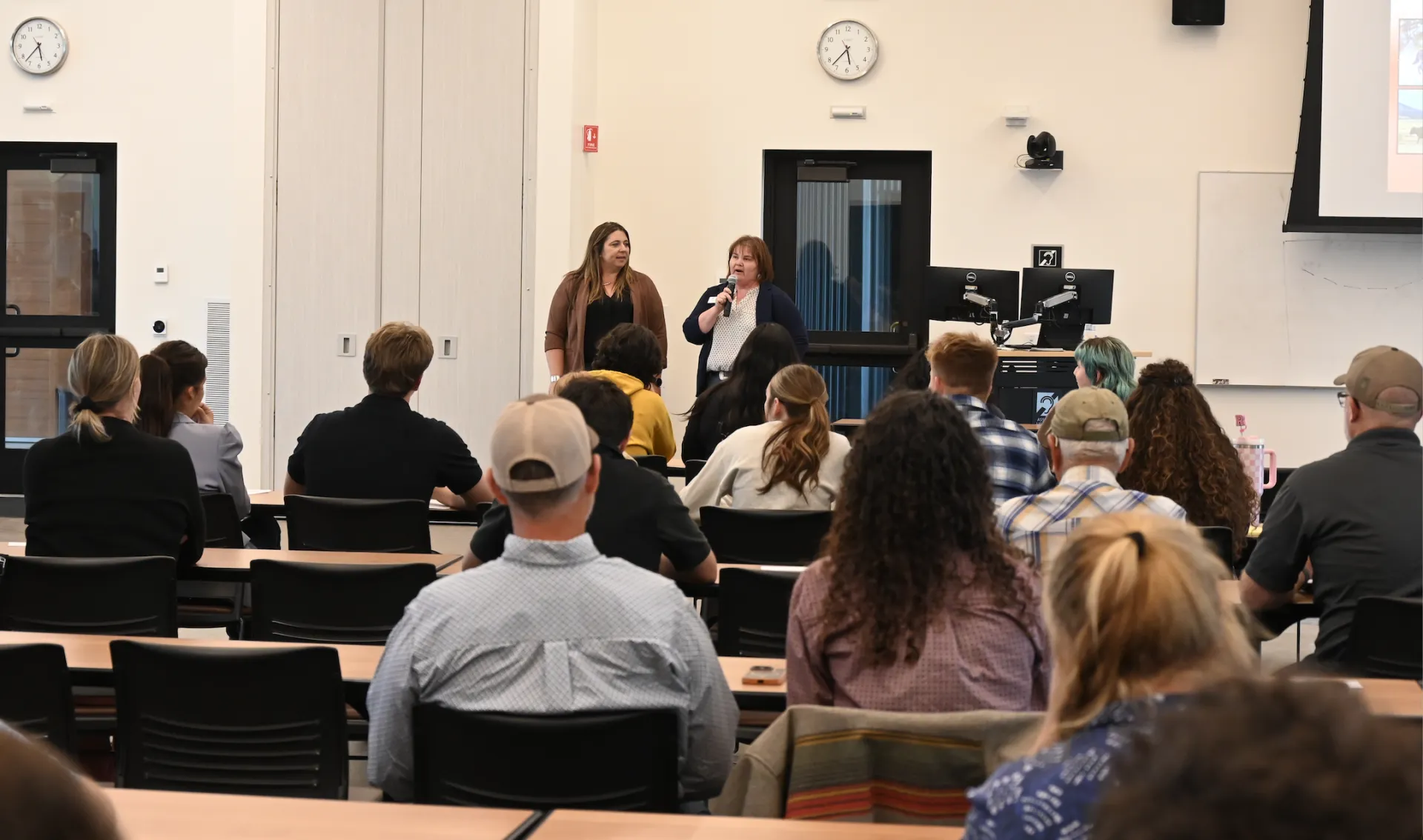
To bridge the gap, California State University, Chico professor Kasey DeAtley collaborated with University of California Cooperative Extension to host “Ranching with Wolves: Dinner, Documentary and Discussion” to bring together students, ranchers, researchers, local leaders and community members for a real conversation about wolf cohabitation in working landscapes. The dinner for guests was sponsored by the Butte County Cattlemen’s Association.
“As wolves continue to expand across the state, the impacts on ranching operations are increasing,” said Kyle Daley, rancher and president of the Butte County Cattlemen’s Association. “We proudly sponsored this event to create a space to share firsthand accounts of the economic impacts to public safety to boots-on-the-ground realities on ranching with wolves.”
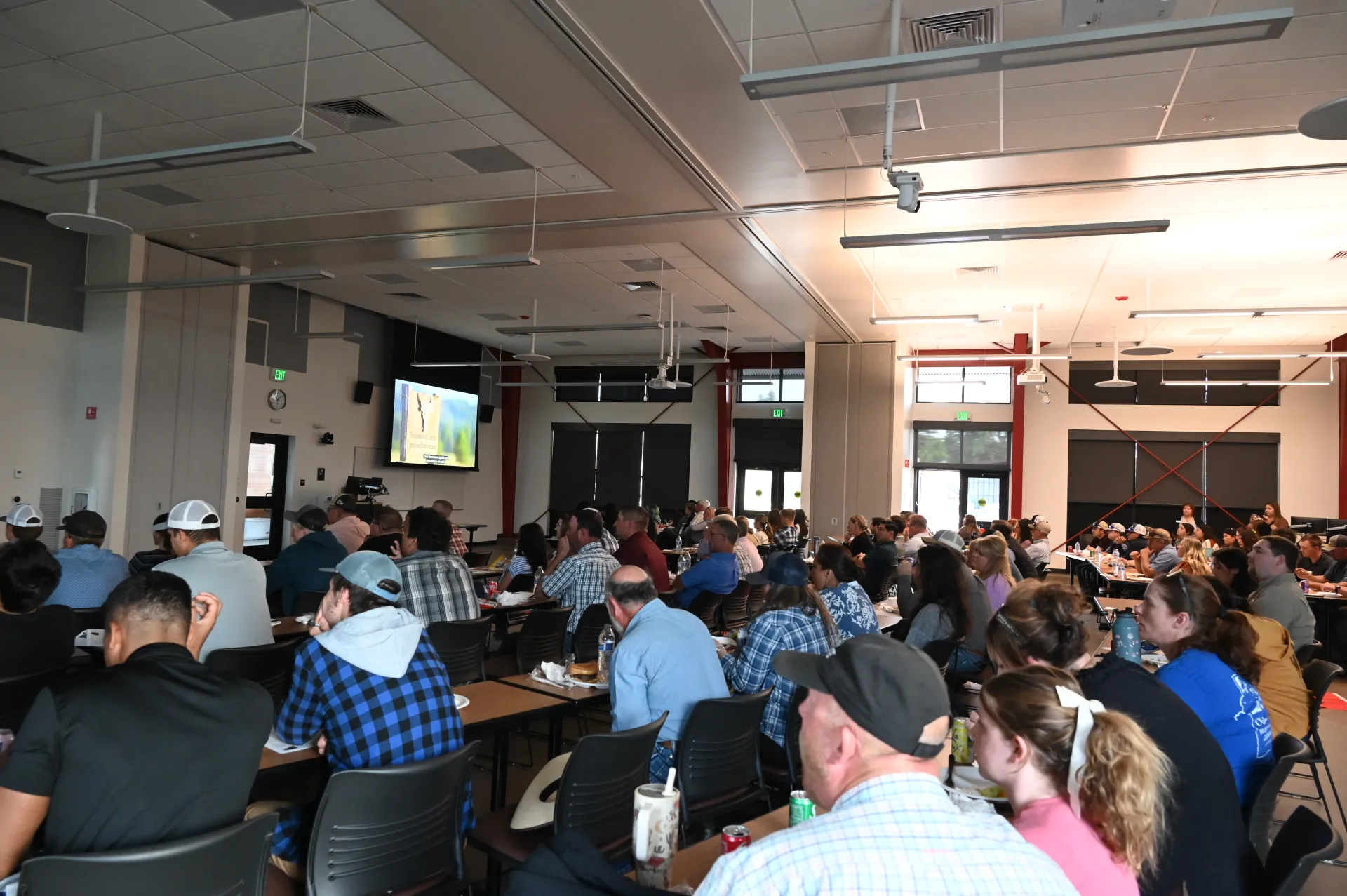
More than 100 attendees enjoyed a BBQ beef sandwich dinner and watched the PBS documentary “American Grown: My Job Depends on Ag - Sierra Valley Wolves.” This documentary provides an in-depth look at the complex challenges associated with the return of wolves to California. It highlights the experiences of Sierra Valley ranchers with the Beyem Seyo Wolf Pack during the summer of 2025 as they strived to protect their livestock and the sustainability of their livelihoods.
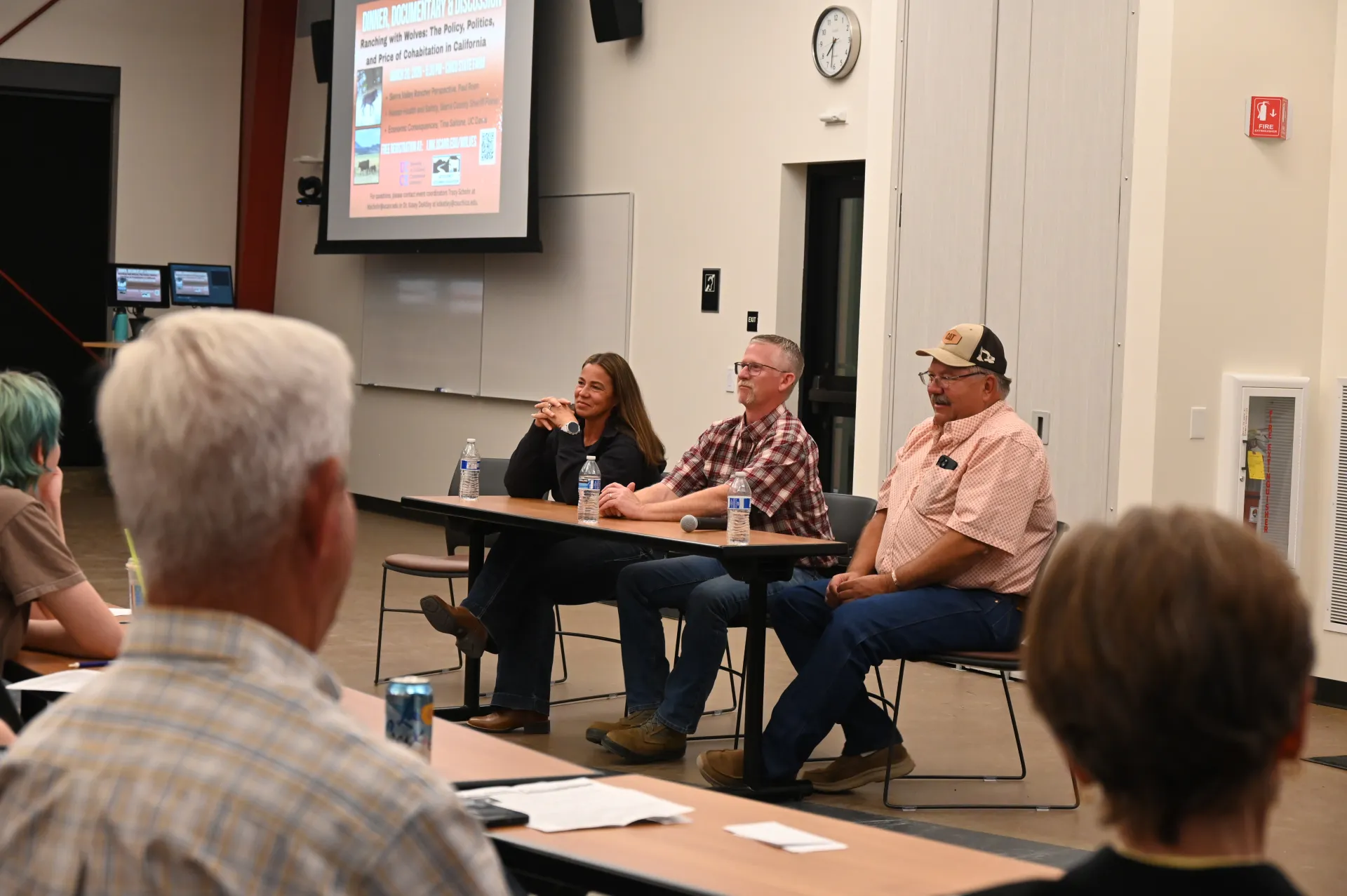
Following the documentary, guests engaged in a thoughtful dialogue with Paul Roen, Sierra Valley Ranch manager and Sierra County Supervisor; Sierra County Sheriff Mike Fisher and Tina Saitone, professor of Cooperative Extension at the University of California, Davis. The panelists provided additional context to the documentary, answered questions from the audience about wolf management strategies, and dove deep into the costs of ranching with wolves.
There is an emotional divide on wolves, but this event created a venue for information sharing and thoughtful conversations. The students listened intently.
“It is essential that we continue communicating how wolves are affecting ranchers — economically, mentally and through the injustice of limited restitution. We have insufficient tools to protect livestock and prevent wolves from becoming habituated to cattle,” said Roen.
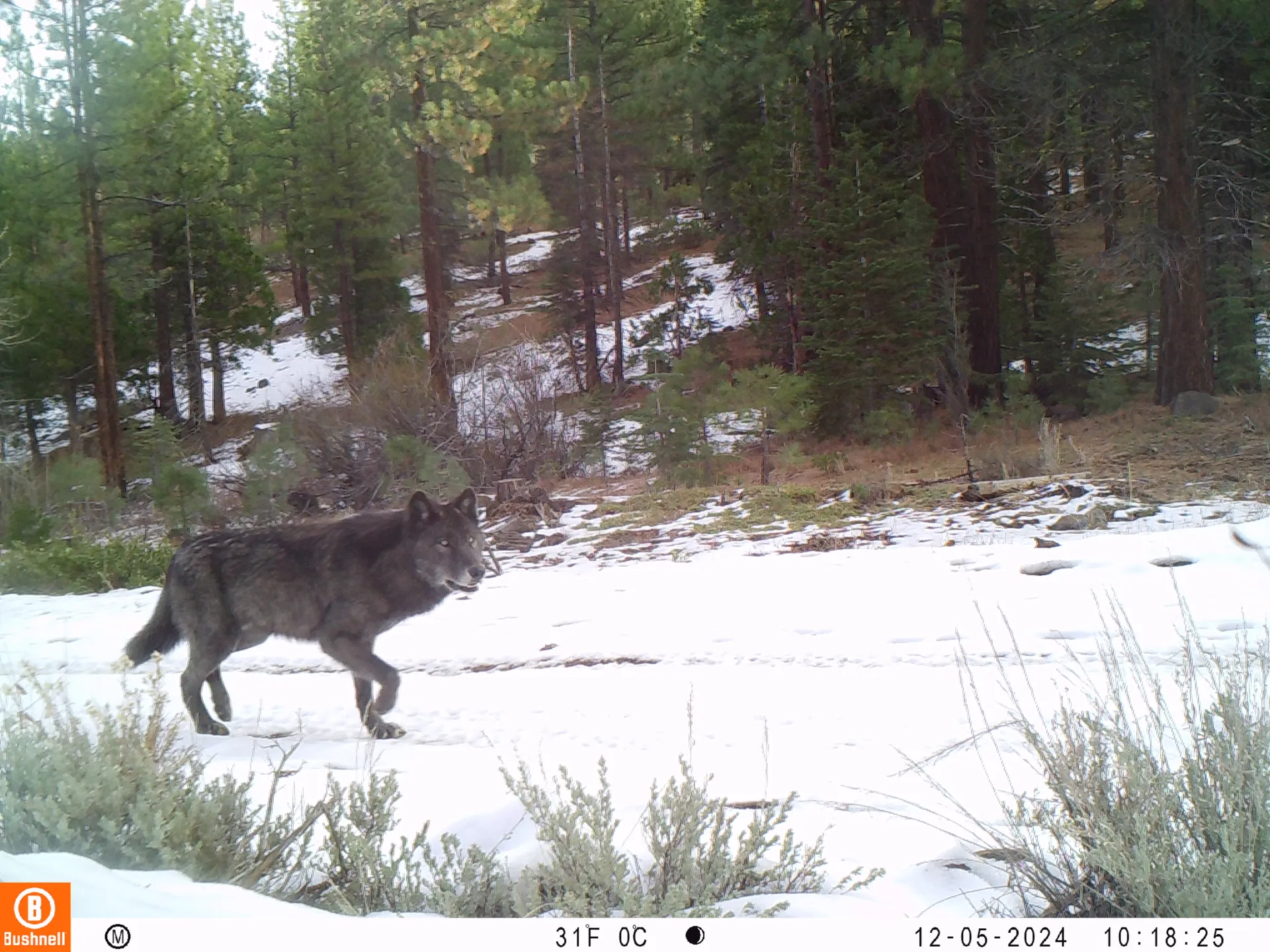
Reflecting on the challenges associated with the Beyem Seyo pack, which killed dozens of Roen’s cattle last summer, the rancher added, “I spent last summer up at all hours of the night working with California Department of Fish and Wildlife game wardens and biologists, along with U.S. Department of Agriculture - Wildlife Services, trying to stop the wolves. This is the reality that needs to be shared. Ranchers have tried — and we continue to try — but we need more options and meaningful support.”
Fisher discussed the broader community impacts of wolves, highlighting the stress and strain he witnessed firsthand last summer as ranchers dealt with daily cow deaths. Fisher described the toll of sleepless nights and constant vigilance, underscoring the human and social dimensions of wolf conflicts in rural communities.
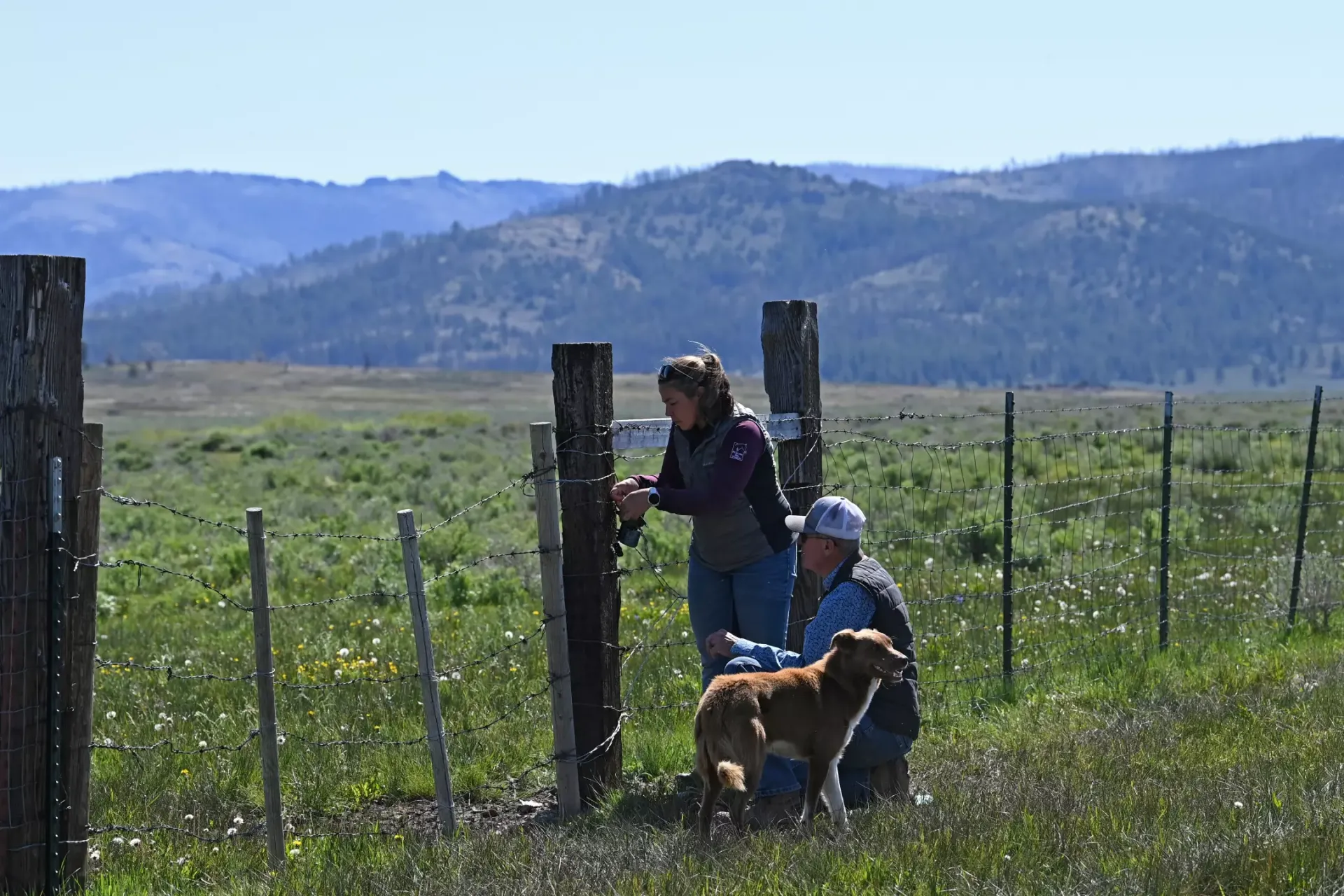
Saitone, an agricultural economist, shared her research on impacts from direct losses from cows killed and injured along with indirect impacts to cows, including reduced weight gain, lower conception rates and other stress-related consequences on cattle herd health.
“Ranchers in California are bearing a very real and substantial economic burden as wolf populations expand across the state,” said Saitone. “Quantifying these losses — not just the cattle that are killed, but the indirect effects on reproduction, weaning weights and herd behavior — is essential to having an honest conversation about coexistence. Without that data, it is impossible to design policies that accurately reflect the true cost to the ranching families and rural communities that are living with wolves every day.”
Wolves are changing the profitability of livestock producers, changing the way ranchers use the landscape and changing families who live on the land. The Dinner, Documentary and Discussion was held to foster awareness among community members and inform policymakers. It is essential to continue sharing economic research on the impacts of wolves on livestock producers, along with the social and cultural lived experiences of those directly affected by wolves.
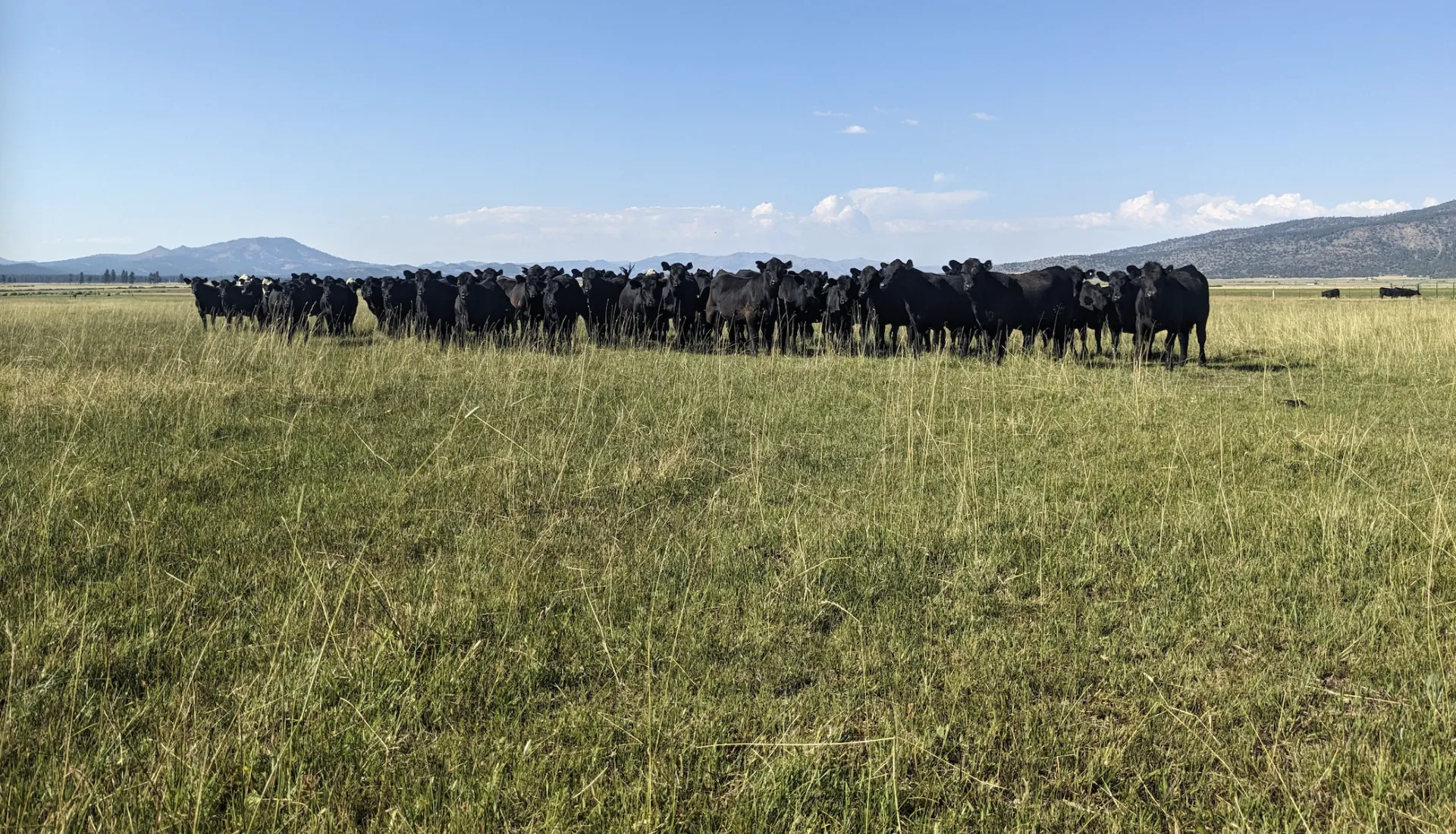
This event was an extremely impactful experience for many Chico State students, offering a rare opportunity to engage directly with industry professionals and real-time perspectives on a complex issue.
“I am grateful for the chance students, policymakers and producers had to broaden understanding of this complex topic while also fostering meaningful connections within the field. Opportunities like this — featuring current information, experienced producers and open dialogue — are invaluable in preparing students for future careers,” said co-host DeAtley.
She extends appreciation to the documentary filmmaker, panelists and the Butte County Cattlemen’s Associations for their support in making this experience possible.
For more information on the topic and to watch the PBS documentary “American Grown: My Job Depends on Ag - Sierra Valley Wolves,” parts 1 and 2, visit https://link.ucanr.edu/wolves.