
By Emilee Fowkes Warne.
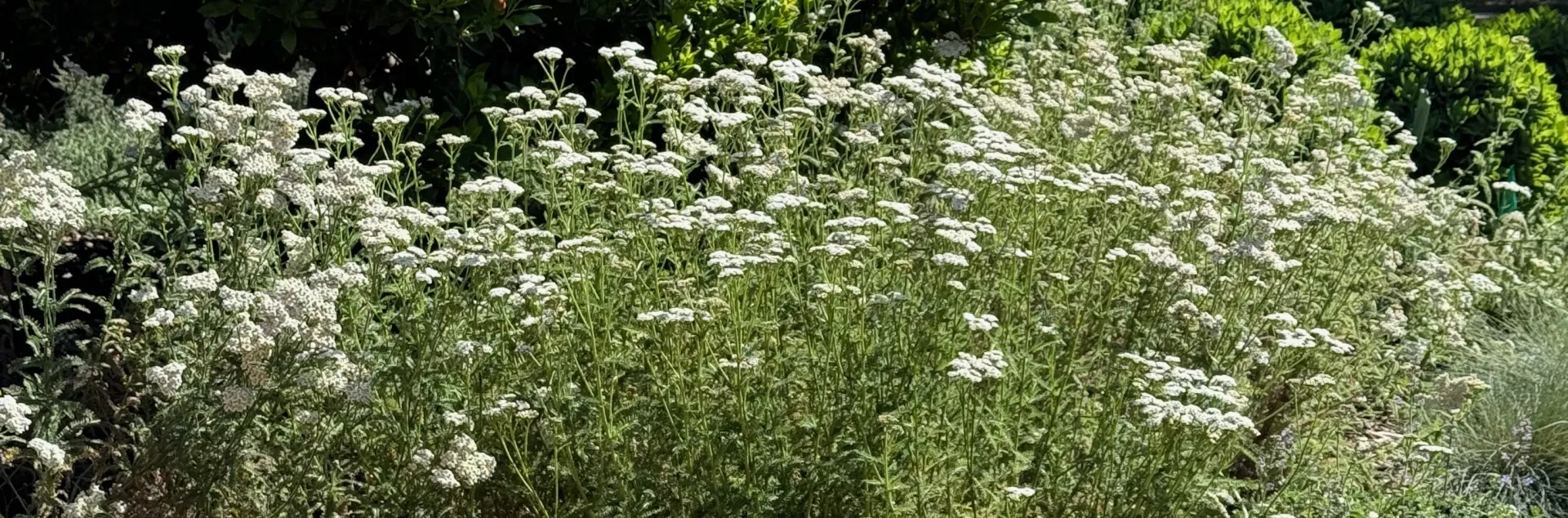
It may be cold and wet outside, but it’s not too early to turn our attention to the outdoors. Brightly colored flowers have begun to pop up in fields and yards, and for many of us the desire to plant something in the ground intensifies. But what to plant? Vegetables and herbs are relatively easy to understand, but flowers and foliage and shade versus sun — it can seem overwhelming!
Let’s start from the beginning. What does full sun really mean? A plant requiring full sun needs at least 6 hours of direct sunlight each day in order to thrive. If a plant that requires full sun is planted in a location that receives less than 6 hours of direct sunlight, it will often fail to produce flowers or fruit and may become spindly and weak. Likewise, a plant requiring shade that is planted in the sun will quickly develop leaf burn and can die from the lack of protection shade would give its roots and the surface of its leaves. Keep in mind that full shade does not mean “no sun”; all plants need at least some light. But shade plants prefer less than four hours of sun each day and generally do very well in dappled shade conditions, such as beneath trees.
The terms part sun and part shade are interchangeable in the sense that they both refer to plants that do best with four to six hours of sunlight per day. It is also best if that sunlight comes in the first half of the day, or in the late afternoon or early evening hours when the sun’s rays are less intense. If a plant label calls for partial sun, the emphasis is on the plant getting at least four hours of direct sun, and, ideally, closer to six. When partial shade is used, that plant should not get more than six hours of direct sun and it would likely do better with less. Plants at local nurseries should be marked with their sun/shade requirements. If they are not, ask a representative to advise you before you buy.
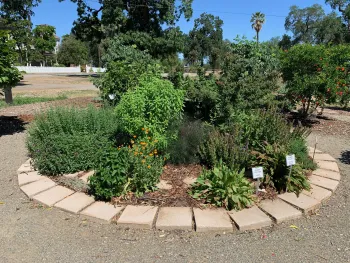
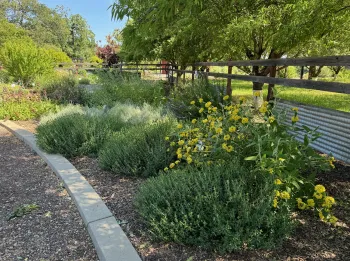
For inspiration, Visit the Master Gardeners Demonstration Garden at Patrick Ranch (10381 Midway, between Chico and Durham) to see plants that thrive locally in shady or sunny locations similar to areas in your own garden.
Another vital piece of information is the amount of water a plant is going to need. When you are selecting a plant, note its water requirements. Is it marked as a “Drought Tolerant” or “Xeric” plant? These types of plants are ideal in our climate because they can withstand prolonged hot, dry summer months. Choosing plants labeled drought tolerant or xeric will set you up for the best chance of success in establishing them in your garden. A word of caution though: nearly all plants initially need a period of consistent watering to allow their roots to become established in the soil. By keeping the ground around the plant moist, you allow roots to expand and grow into the native soil adjacent to the original planting site, which will ultimately be where the plant anchors itself for the duration of its lifetime.
It is also important to group plants together that have similar water requirements. A common mistake is to plant a tree in the center of a lawn. Nearly every type of tree has a vastly different water requirement than grass. Grass prefers more frequent, shorter bursts of water, while a tree, once established, prefers a deeper, more gradual soaking. Watering a tree using a watering schedule meant for grass will often result in a less stable, shallow-rooted tree. It is far preferable to plant a tree in a planting bed, allowing plenty of space for it to expand to its mature size.
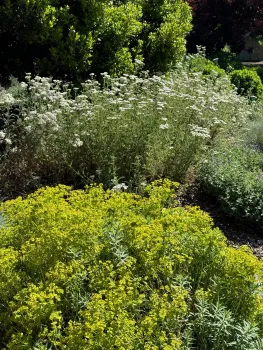
The eventual size a plant will reach must always be taken into account. This is another piece of information that is almost always listed on a plant tag to aid in successful plant selection. Before you start to imagine how beautiful that vibrant little nursery plant is going to look in the tight space next to your front porch, check its listed mature size. If it will eventually grow to be larger than that space, look instead for a dwarf version of the plant. There are many fantastic new varieties of old favorites that are much better suited to small yards.
Want to learn more about planning a successful garden? Attend our upcoming workshop, “Care and Maintenance: Considerations in Garden Planning” (Wednesday, February 25), part of the Master Gardeners 2026 Spring Workshop Series. For more information, and to register, visit our workshop webpage. All Workshops are free, but registration is required.
UC Master Gardeners of Butte County are part of the University of California Cooperative Extension (UCCE) system. To learn more about us and our upcoming events, and for help with gardening in our area visit the UC Master Gardener website. If you have a gardening question or problem, email the Hotline at mgbutte@ucanr.edu or leave a phone message on our Hotline at 530-552-5812. To speak to a Master Gardener about a gardening issue, or to drop by the MG office during Hotline hours, see the most current information on our Ask Us section of our website.