
The Salinas Watsonville growing region was beset by significant amounts of rain this past weekend, so it was time to go out and have a look. It's tough to see this, since while the crews are out picking as they have been for about a month, the fruit is being thrown away rather than put into clamshells and boxes for shipping. Removing all the damaged fruit of course is good field practice and is done to maintain good sanitation around the plant, keeping things on the up and up to prepare for better days ahead.
Much of the damage in the pictures below has to do with "water soaking", meaning the riper fruit has pulled water into itself via osmotic pressure and the extra water coming in so quick has subsequently burst the epidermis. A general rule of thumb is that most varieties of strawberry can take up to 1/2 inch of water before they manifest "water soaking" damage, so the berries around here which were subjected to 1 1/2 inches of water didn't stand a chance.
For a deeper dive on "water soaking" in strawberry and a discussion of the principle of osmosis which causes it, please refer to this blog post I wrote a few years ago after a rainstorm much like we had this past weekend: https://ucanr.edu/blog/strawberries-and-caneberries/article/water-damage-strawberry-0
A few more pictures below with some discussion of what is going on:
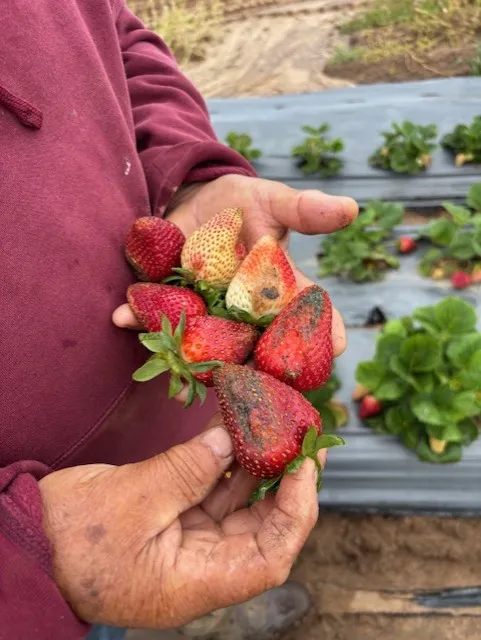
Photo 1: A general sample from the field, just sad.
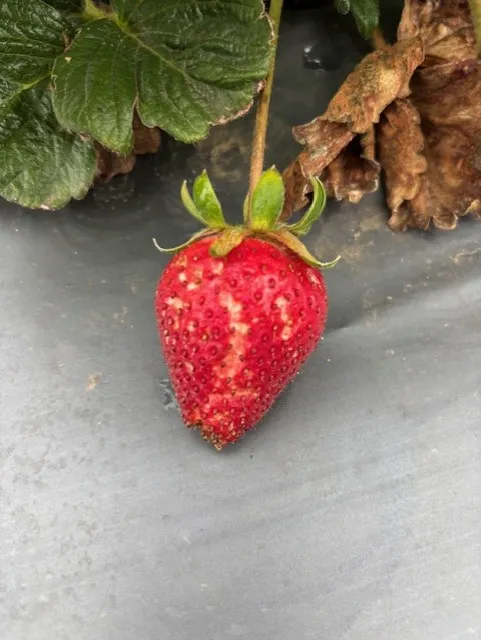
Photo 2: Classic manifestation of water soaking of ripe fruit.
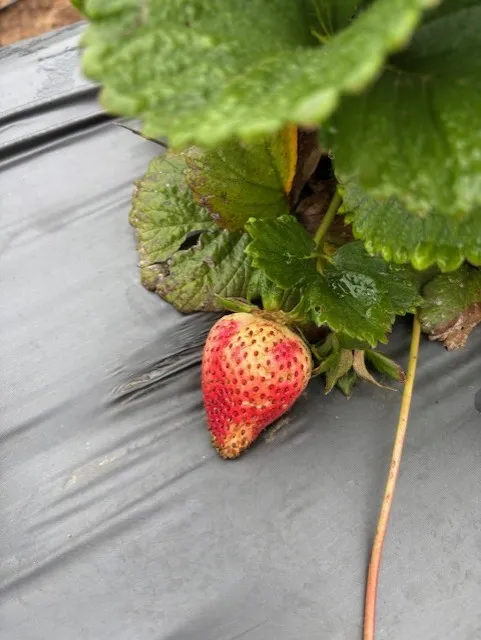
Photo 3: Fruit not fully ripe has not been spared water damage either.
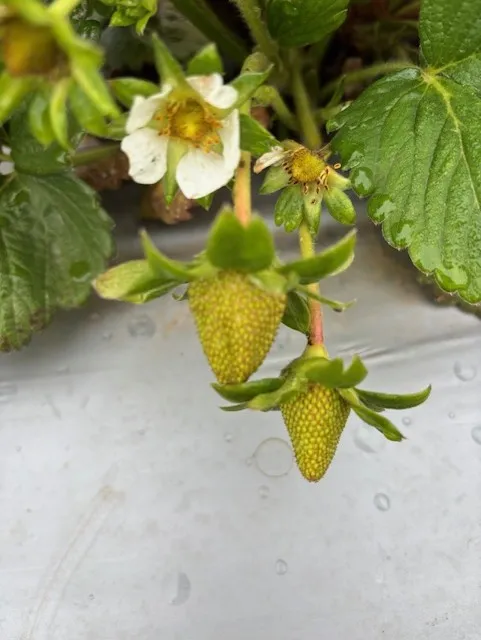
Photo 4: Green fruit in the same field appear to be a - ok, although those open flowers might offer themselves up for Botrytis infection, especially if conditions continue to be wet.
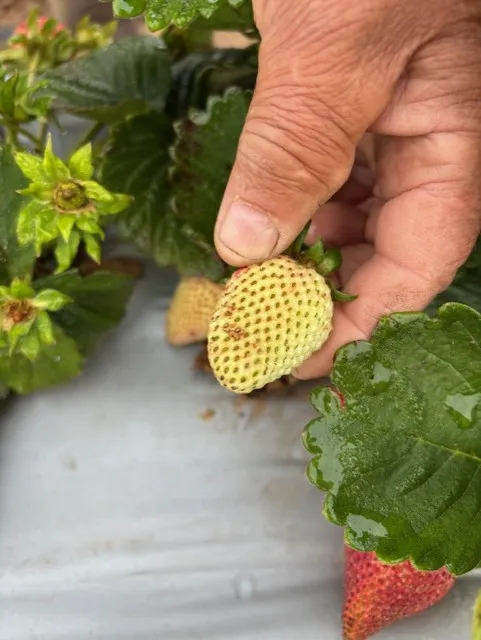
Photo 5: Not all green fruit is spared however, look at the blemish on this later stage example.
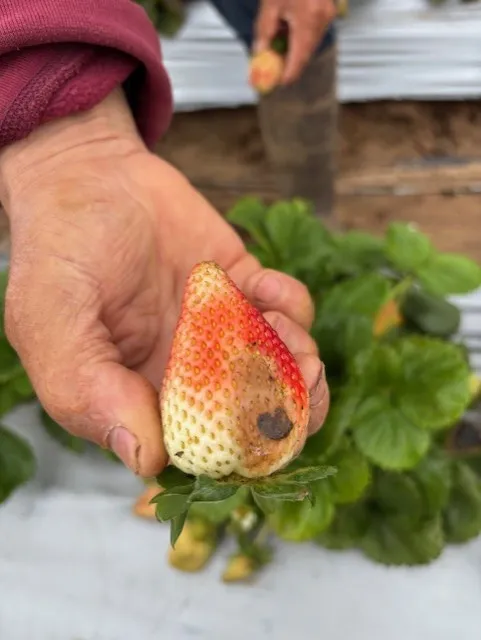
Photo 6: This fruit was sitting in a small puddle of water on top of the mulch. Just a mess.