
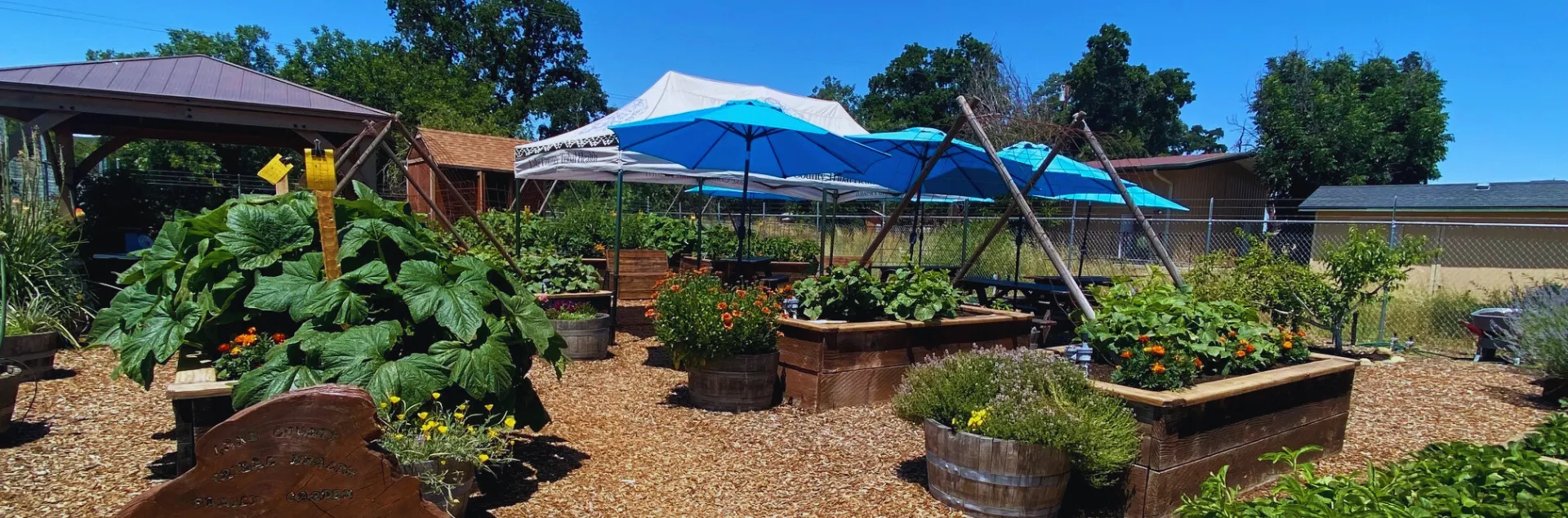
Rooted in a commitment to inclusive and culturally relevant education, the UC Master Gardener Program strives to serve all Californians through meaningful horticultural outreach that supports volunteers, community partners and residents alike. This type of rich collaboration takes time; in Lake County, that commitment has grown into a little over a decade-long partnership between the Lake County Tribal Health Consortium and the UC Master Gardener Program of Lake County.
This collaboration is especially meaningful in a place where the Lake County Pomo Indians — direct descendants of the Pomos who have lived in the Clear Lake region for more than 11,800 years — continue to carry forward deep cultural relationships with the land. By honoring this history and aligning with Tribal Health's mission to promote positive physical, spiritual, emotional and social health through culturally sensitive care, this partnership demonstrates how gardening can be more than education. It provides an opportunity to restore a community's connection with food and nature.
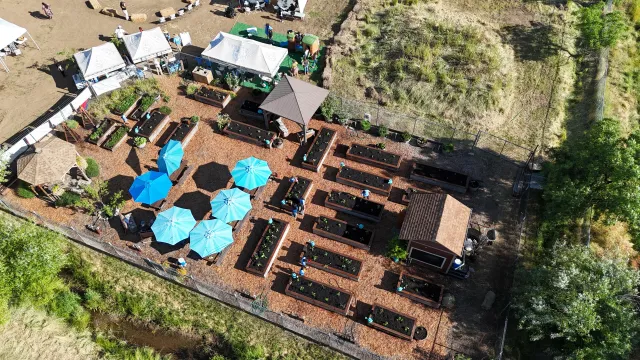
What began as a humble collaboration has blossomed into yearly, vibrant Community Garden Blessing events and Gardening Wellness classes. Together, these efforts have transformed community garden spaces, like Legacy Garden and Medicine Wheel Garden, into hubs of vegetable gardening and nutrition education, supporting residents in cultivating both healthy food and healthy lives.
Building Capacity to Meet Community Needs
The Tribal Health garden initiative was spearheaded by Gemalli Austin, director of the Diabetes Education and Prevention Division at the Lake County Tribal Health Consortium. Her vision was to create a community space where Tribal Health members could grow and harvest their own fresh food. At the time, UC Master Gardener coordinator — now volunteer — Gabriele O'Neill became the go-to resource for gardening guidance and technical support.
In the early years, volunteer support was limited. At the time, O'Neill often stopped by in the evenings after office hours to assist Austin, who was frequently working alone after her regular workday. Support included hands-on help, such as installing irrigation for the squash and herb areas, and offering guidance where needed.
A turning point came when the Lake County Tribal Health Consortium hired a dedicated garden manager, Sonia Chamberlain. With Chamberlain's leadership, the garden gained stability and direction. She now oversees daily operations, maintains communication with the UC Master Gardener Program and gathers feedback from participants through surveys after each class. That feedback helps guide planning and shape future educational offerings.
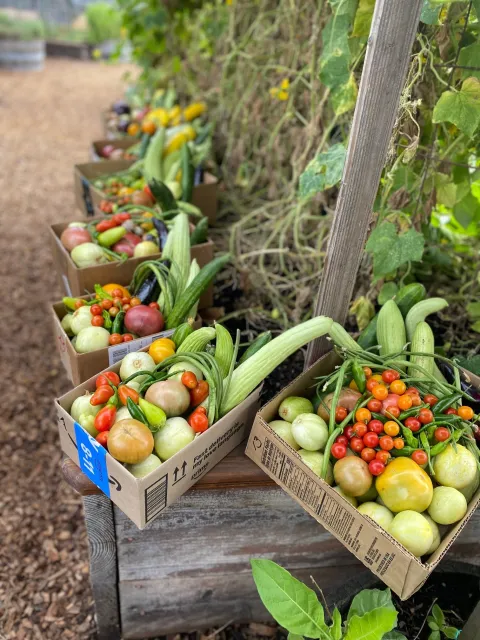
Both the Legacy and Medicine Wheel Garden provide fresh food to Tribal Health members and the broader community. "Last year we gave out over 5,000 pounds of vegetables and fresh produce to the Native Community," shared Chamberlain.
Reflecting on the long-standing collaboration between O'Neill, Chamberlain and current UC Master Gardener Program coordinator Louise Pagone, Austin shared:
"They make an excellent team, and both of them are truly essential to making the garden a success. I want to give a big shout-out to Gabriele and Sonia. And Sonia, I hope you're really proud to know that your work is making a difference."
During large signature events, such as the annual Gardening Blessing in May, the presence of UC Master Gardener volunteers makes a meaningful difference, according to Chamberlain. She especially values their support in helping plant the garden and guiding participants on proper planting techniques. "At big events like the Gardening Blessing, it's so important to have the [UC] Master Gardeners there supporting us — helping with planting and showing everyone the correct way to plant. Gabriele really spearheads it, and Louise is excellent, too. We've also had other [UC] Master Gardeners, like Lisa, who step in and support. It truly makes a difference."
Centering Community in Gardening Education
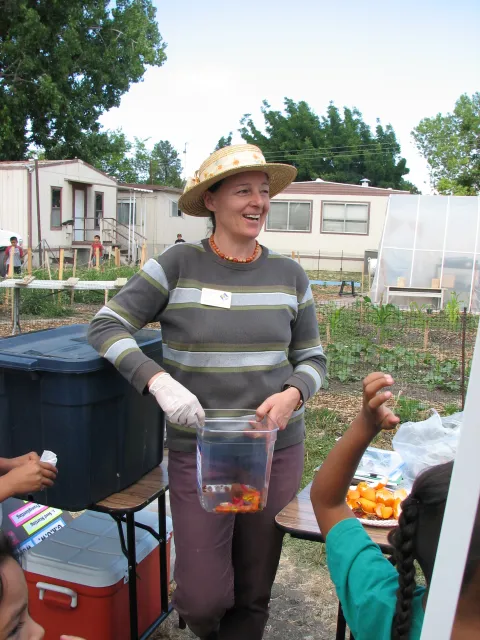
At first, when vegetable gardening classes were introduced, attendance was small, with just three or four participants. Over time, consistency and patience began to pay off, and participation gradually increased.
In reflecting on the partnership, O'Neill shared how important it was to center the community's identity and lived experience when teaching foundational gardening skills. Rather than relying on technical university or Western gardening terminology, she adapted her approach to ensure the information was accessible and meaningful. From her perspective, effective gardening instruction begins with meeting participants where they are.
"When I teach, I've learned I can't assume anything. I can't assume people have heard these concepts before or that certain practices are common knowledge. So I ask — Is this familiar? Does this make sense? Is this new? I make sure everyone understands before moving forward."
She further explained how avoiding technical jargon became an essential part of that shift:
"As gardeners, especially [UC] Master Gardeners, we tend to use a lot of jargon — IPM and other technical terms. I've learned that if someone hasn't gardened before, or if it hasn't been part of their family tradition, those words mean nothing. So I explain everything from scratch and don't assume people know what I'm talking about."
Together, these lessons strengthened not only the educational approach but also the trust and connection at the heart of the partnership. Furthermore, Tribal Health dietitians provide cooking classes that connect fresh harvests to nutritious meals. Local Tribal members teach classes on preparing and using Indigenous foods such as acorns and buckeye, as well as growing Indigenous and other medicinal herbs and making simple preparations like teas and salves. These offerings weave together food, culture and health in ways that honor both tradition and present-day community needs.
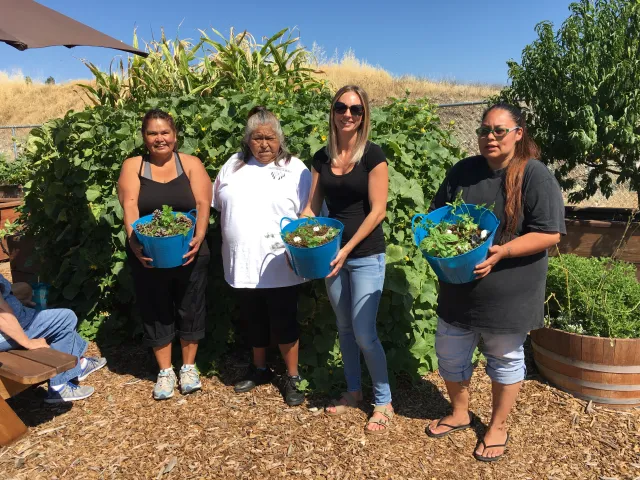
Each gardening season begins with the annual Community Garden Blessing, a signature event where Tribal members and the broader community gather to plant the Legacy Garden together. Centered on Pomo culture, the event features dinner, dancers, speakers and family activities celebrating heritage, land and shared purpose. Each year, participation and impact continue to grow, reflecting deepening community engagement.
This partnership between the UC Master Gardener Program and the Lake County Tribal Health Consortium stands as an example of how sustained commitment and relationship building are essential to fostering culturally relevant gardening experiences with communities. For more information about this project, you can visit the UC Master Gardener of Lake County website and the Lake County Tribal Health Consortium Facebook page and YouTube channel for events and workshops.
AI tools were used in the preparation of this article to assist with organizing content and reviewing grammar, clarity and sentence structure in alignment with UC guidelines. All content was reviewed, verified and approved by the author prior to publication.