Join Central Coast nursery and greenhouse professionals on September 10 for the relaunch of the CAN Monterey Bay Chapter, featuring networking, dinner, and discussion about future regional programs.
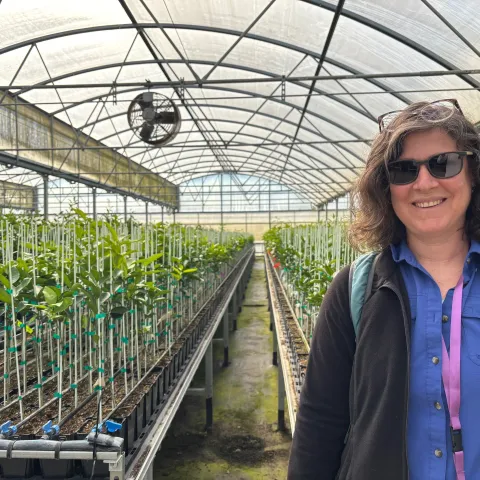
The Nursery and Flower Grower Blog returns with a new chapter as Carrie Brown introduces herself, discusses her Extension and greenhouse production background, and shares practical tips for improving plant diagnostics and site visits.
Roots are often overlooked by horticulturists but deserve to get more attention. Of course, they are usually underground and out of sight so it's somewhat understandable why they can be ignored. But, roots play a critical role in the life of a plant.
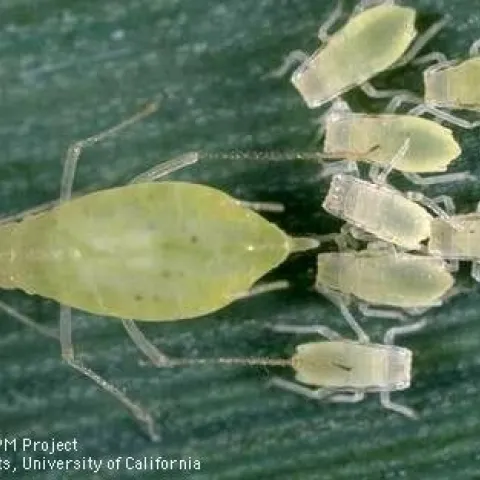
The last post demonstrated the remarkable ability and unique features of aphids that allow them to rapidly boost their numbers and colonize their hosts in favorable conditions.
We are all familiar with aphids, especially in the spring when their populations seem to increase so rapidly and may require control before plant damage occurs. Aphids have unique strategies to flourish. The aphid mother you see this spring is actually a grandmother.