UC ANR is committed to providing an accessible and inclusive web experience for all users. If you encounter an accessibility barrier or need content in an alternative or remediated accessible format, please contact anraccessibility@ucanr.edu.
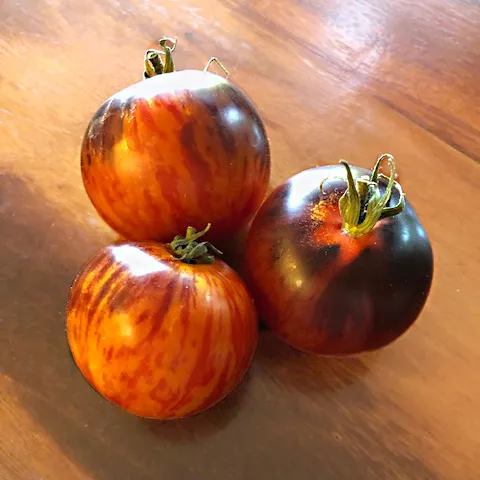
We invite you to join our public tomato trial and be a citizen scientist! Help us gather information by growing trial tomatoes in your garden and reporting the results.
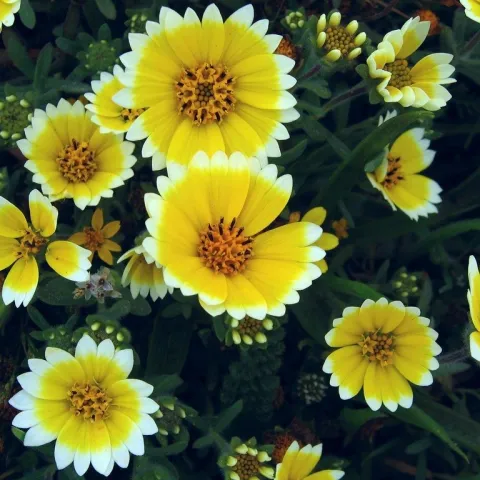
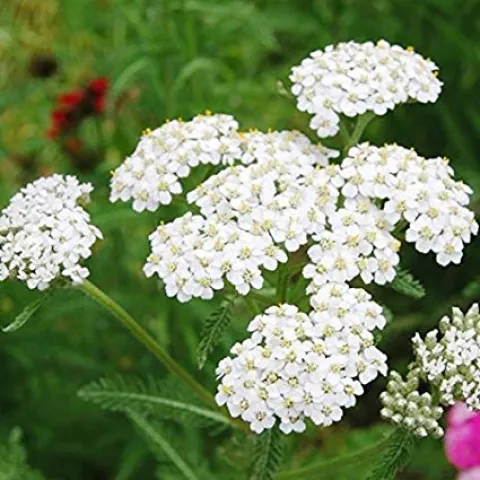
Spring Garden Fair native plants descriptions. California native plants have evolved to be well adapted to our dry summer/wet winter climate, and they support native birds and insects. They are generally water-wise choices for landscaping.
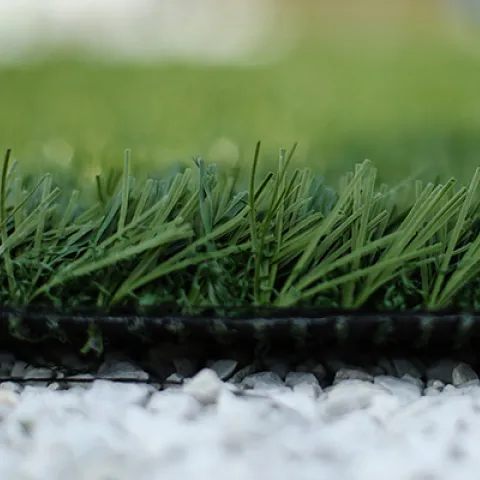
In the past, artificial turf was marketed as an environmentally conscious alternative to lawns due to lower water consumption and no need for weekly maintenance. Years of installations have shown that it’s more complex than that. Here is a list of pros and cons of artificial turf that gives a more balanced…
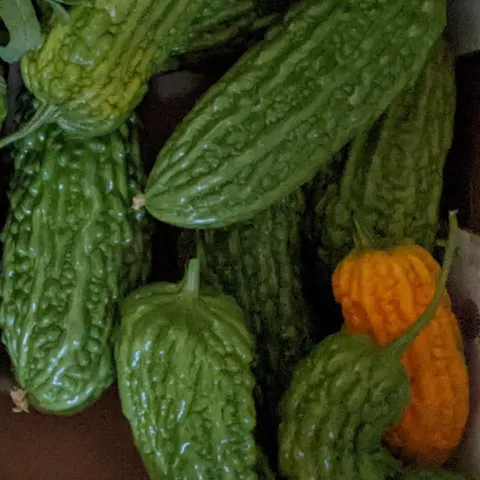
Bitter melon is in the cucurbit family and grows on a vine as do other members of this family, such as cucumbers, squash, or melons. Bitter melon is a subtropical plant which will grow best in a warm location with some humidity.
The vines can get over 12 feet long, so a trellis or some other support is…
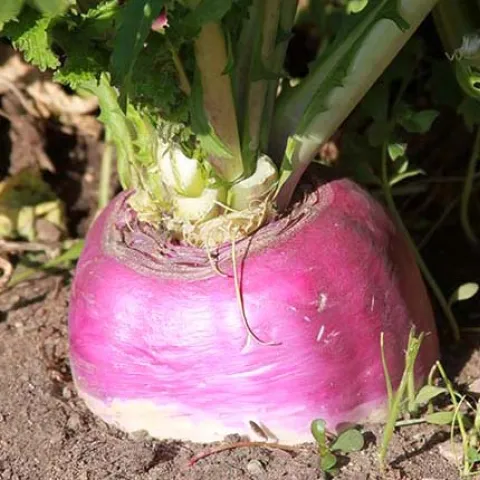
Rutabagas are grown for their large round roots. They are similar to turnips but are larger, slightly sweeter, and take longer to mature. They have yellow skin and flesh. Like other vegetables in the brassica family, they develop their best flavor in cool weather.
Fall Garden Fair maps. The Santa Clara County Master Gardener's Fall Garden Fair is a fun educational event for the entire family. Attend talks, tour the gardens, and shop the plant sales.
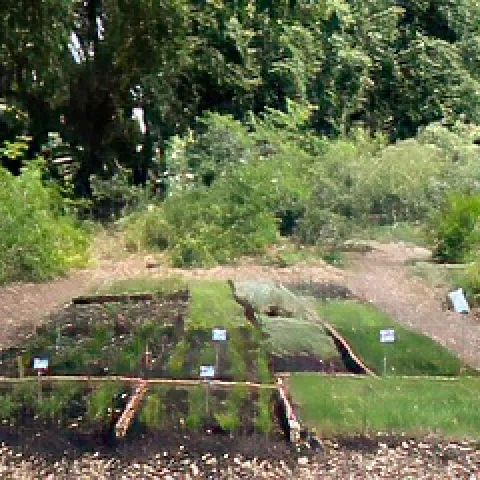
The gardens at the Martial Cottle Park demonstration garden in San Jose are divided into various collections with distinct themes and focuses. See descriptions below for details. Click the map to see a larger version with the collections labeled.
Fall Garden Fair native plant descriptions. California native plants have evolved to be well-adapted to our dry summer/wet winter climate, and they support native birds and insects. They are generally water-wise choices for landscaping.
Review Growing Great Tomatoes before planting your seedlings. Harden off your seedlings by gradually acclimating plants to outdoor conditions for 4 to 7 days before transplanting into the ground. Start by placing the plants in a sheltered location like a covered patio.
New or replacement plantings for conventional high water-using sod lawns are demonstrated in the Lawn Alternatives section of the Palo Alto Demo Garden.