UC ANR is committed to providing an accessible and inclusive web experience for all users. If you encounter an accessibility barrier or need content in an alternative or remediated accessible format, please contact anraccessibility@ucanr.edu.
Garden Help > Monthly TipsGood nutrient balance makes healthy garden soils. It is beneficial to get soil tested by a state-certified laboratory. Below is a collection of our monthly tips that relate to garden soils.To-DosWhat to PlantTo-Dos: SoilBone Meal for Bulbs? Green Waste or Compost Mulch Bare Soil…
Garden Help > Monthly TipsHere is a collection of our monthly tips about vegetables.To-DosPests and DiseasesWhat to PlantTo-Dos: VegetablesBolting Lettuces Broccoli - Multiple Harvests Change to Cool Season Planting Consider Dehydrating Some Of Your Harvest Cool Season Vegetables Direct Seeding Drought…
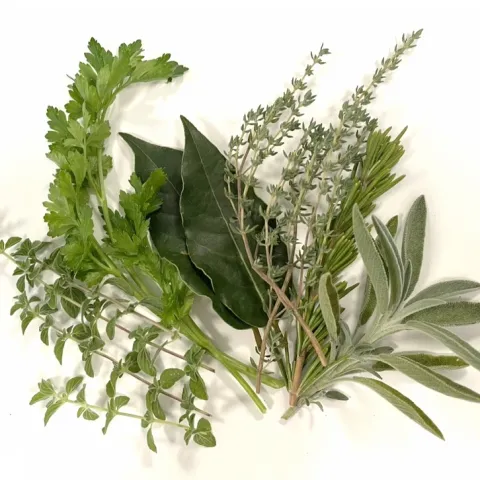
Santa Clara County provides a year-round climate that is well-suited to growing a variety of culinary and aromatic herbs.
Herbs are a great choice for beginner gardeners as they tend to be easy to grow and care for. They are a wonderful addition as borders to your vegetable garden or can be easily grown in…
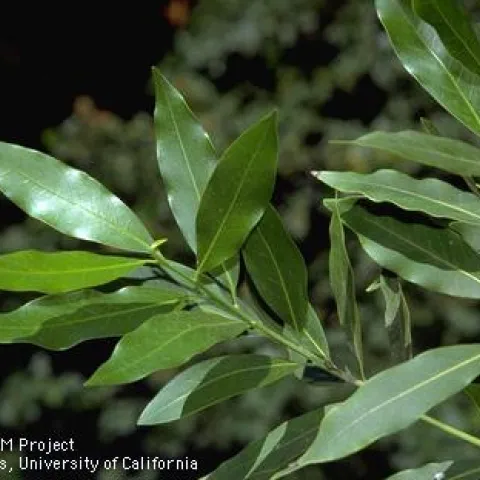
Bay laurel, Laurus nobilis, is an evergreen grown as a large shrub or tree. Small bay trees do well in containers because of their slow growth, but can reach heights of 20 to 40 feet in landscapes. The aromatic leaves add flavor to sauces, soups, stews, meats, fish, and pickles. The flavor is stronger fresh,…
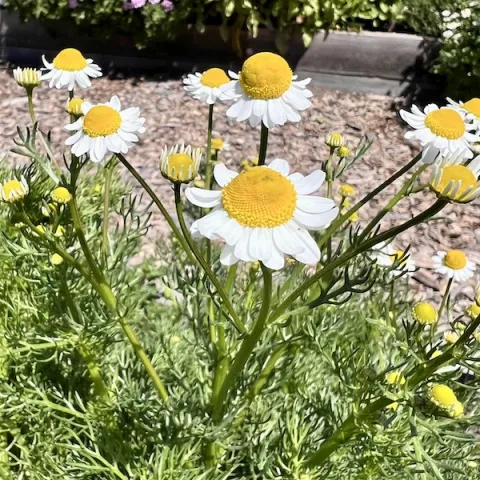
German chamomile, Matricaria chamomilla, is the most commonly grown variety for chamomile blossoms. The plant produces fragrant flowers all summer long. The small, white daisy-like flowers have a pleasant pineapple flavor. They also attract beneficial insects and are self-seeding. The dried flowers are…
The word “cilantro” generally refers to the culinary leaves, while “coriander” is the dried spice derived from the seeds. Cilantro plants have a relatively short growing season, and are quick to bolt (go to seed) in hot weather. Every part of the plant is edible, and are used in Asian, Mediterranean, and…
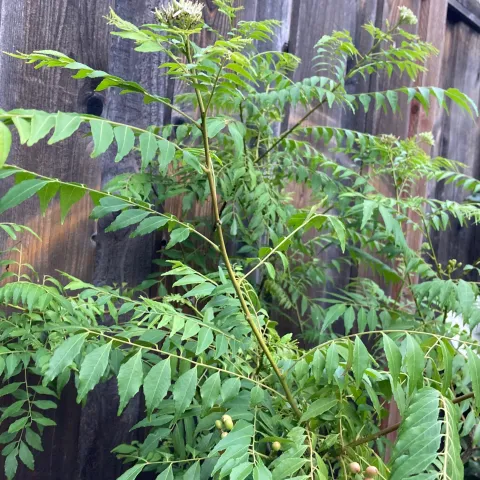
Curry Leaf, Bergera koenigii, (formerly Murraya koenigii; older references may still use Murraya) is a small tree native to India. It is not to be confused with curry powder, nor does it taste like curry powder.
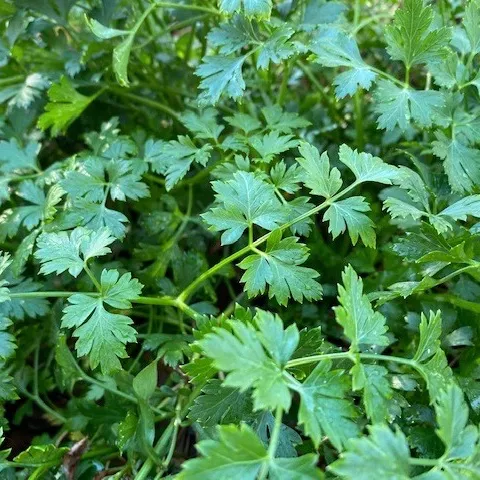
Chervil, Anthriscus cerefolium, is one of the classic fines herbes used in French cooking (parsley, chives, and tarragon are the others). It has lacy leaves similar to parsley, but smaller and more delicate. Use chervil in ways similar to parsley—in soups, salads, sauces, and egg dishes. The leaves are…
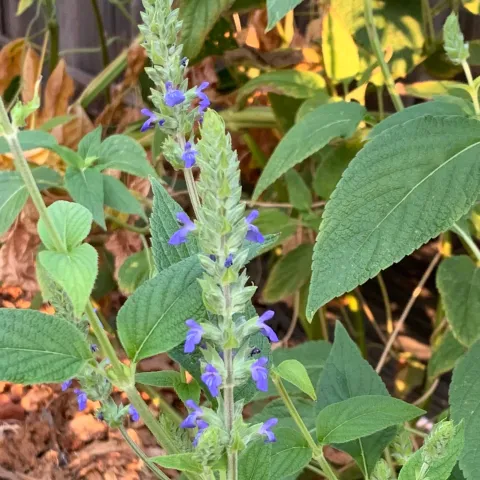
Chia, Salvia hispanica, is a member of the mint family and is native to Mexico and Central America. Chia is grown primarily for the small mottle-colored seeds which are used as a food source. There is another plant grown for seeds, Salvia columbariae, that is commonly known as golden chia, desert chia, or…
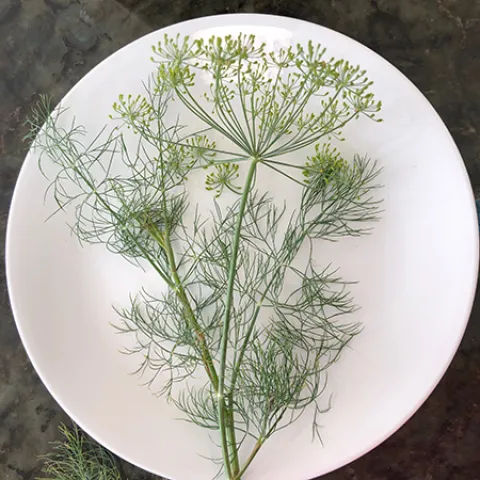
Dill can be grown for both its leaves and seeds. It is a self-seeding annual which will return year-after-year if seeds are allowed to mature in place. Dill is native to southern Russia, western Africa, and the Mediterranean. It is part of the Umbelliferae family, which includes celery, cumin, fennel, and…