UC ANR is committed to providing an accessible and inclusive web experience for all users. If you encounter an accessibility barrier or need content in an alternative or remediated accessible format, please contact anraccessibility@ucanr.edu.
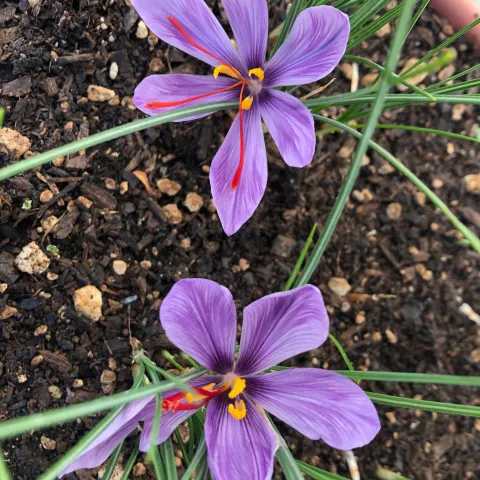
Saffron is a spice that comes from the saffron crocus, Crocus sativus. This fall flowering crocus is distinct from the ornamental spring flowering crocuses. It also must not be confused with the similar but toxic fall flowering Colchicums. The only part used for the spice are the tiny stigmas of the flowers…
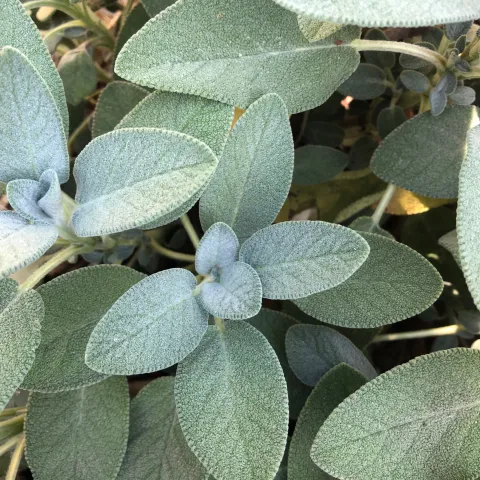
Sage is a Salvia, the largest genus in the mint family. There are hundreds of varieties of salvias, which can have quite different cultivation needs. This page focuses on culinary sage, Salvia officinalis.
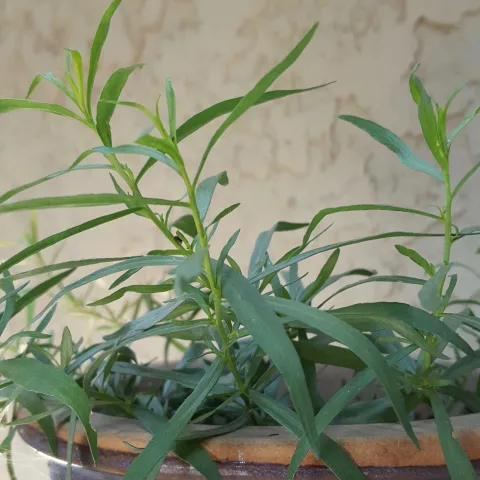
Tarragon is one of the classic fines herbes used in French cooking (parsley, chives, and chervil are the others). When purchasing a plant, it is important to be sure it is “French tarragon” and not “Russian tarragon”, which does not have the characteristic anise-like flavor. French tarragon rarely flowers or…
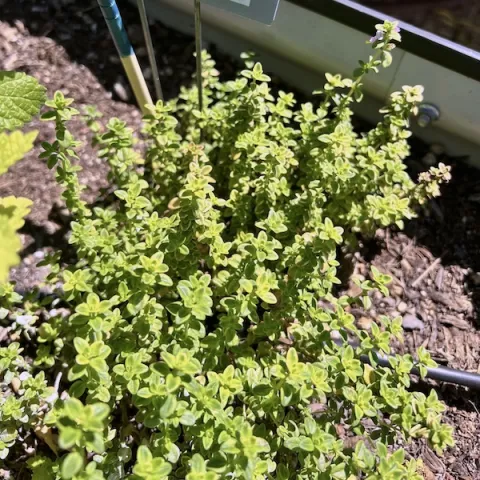
There are over three hundred varieties of thyme, but English thyme is the one most commonly grown for culinary use. French thyme has a similar, slightly milder taste. There are also thyme varieties with differently scented or colored leaves, such as lemon, golden lemon, and orange, as well as numerous…
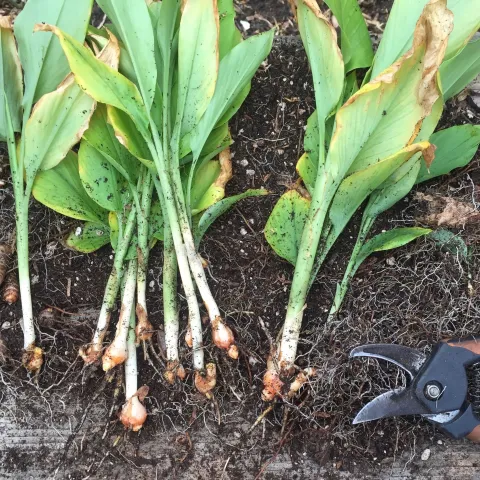
Turmeric, Curcuma longa, is a member of the ginger family and originates from southwestern India. Like ginger, the portion of the plant used is a rhizome, technically not a root but an underground stem.
Turmeric has been utilized for many centuries as a spice, a yellow-orange food coloring, and an…
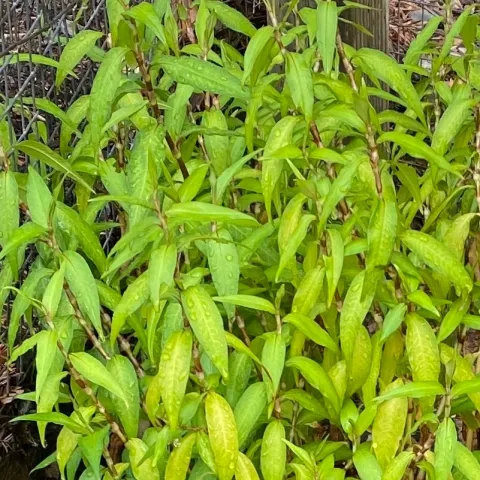
Persicaria odorata goes by several names—Vietnamese coriander, Vietnamese mint, Asian mint, rau ram, Laksa leaf, and phak phai are some of the more common ones. It’s a herb used widely in Southeast Asia and is winter hardy in the frost-free areas of Zones 9 to 11. The flavor is described as being reminiscent…
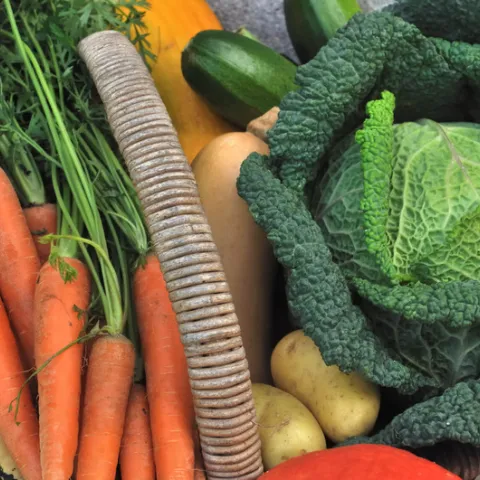
Top tips for a successful vegetable garden: Choose a flat, sunny location with well-drained soil. Vegetables need a minimum of 6 to 8 hours of sun. Full sun is best. Prepare your soil well before you plant. Thoroughly remove all weeds, dig to loosen the soil, and amend with compost and fertilizer as needed…
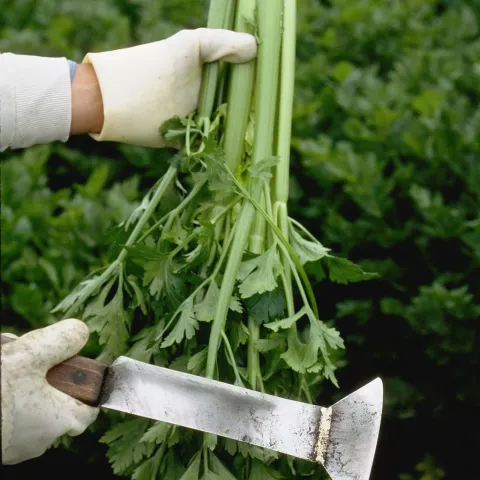
Celery is challenging to grow in most of Santa Clara County. It grows best at 60 to 65ºF, though it will tolerate temperatures from 45 to 75ºF. But it is difficult to find a four-month growing period in Santa Clara County that stays within that temperature range.
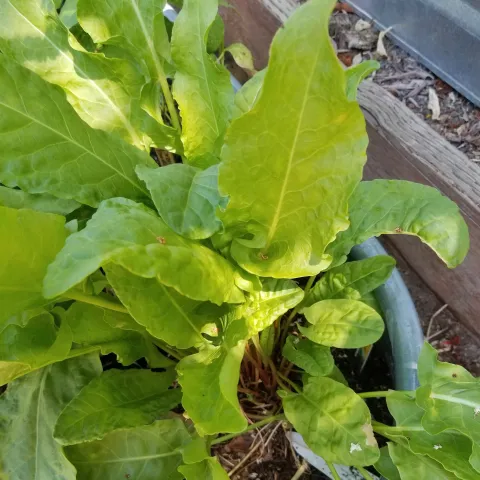
Three popular varieties of sorrel are garden sorrel (Rumex acetosa), French sorrel (R. scutatus), and red veined sorrel (R. sanguineus). French sorrel is the preferred variety for culinary use. It grows throughout Europe, in almost all soils and situations. The arrow shaped leaves have a bright, lemony…
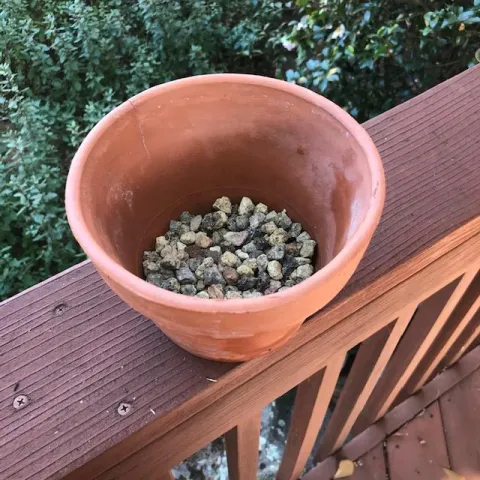
It’s a common myth that we should put gravel or other coarse-textured material in the bottom of a container to improve drainage. It seems intuitive that it should work, but our intuition is wrong. Here’s why.