UC ANR is committed to providing an accessible and inclusive web experience for all users. If you encounter an accessibility barrier or need content in an alternative or remediated accessible format, please contact anraccessibility@ucanr.edu.
We all know the idiom you reap what you sow, however home vegetable gardening involves more than just sowing seed and then harvesting the crop. Between the sowing and reaping is a good deal of monitoring, watering, fertilizing, controlling pests and weeds, etc.
If you prefer to not experiment with seeds, or are just in a hurry, purchase young plants from the nursery for transplanting into the garden. Compared to growing from seed, buying young plants is easier and faster and gives instant results, however this convenience comes with some sacrifice.
Many of us are intimidated by the seed packet display in the nursery, and we choose to purchase the seedling plants already prepared for us by growers.
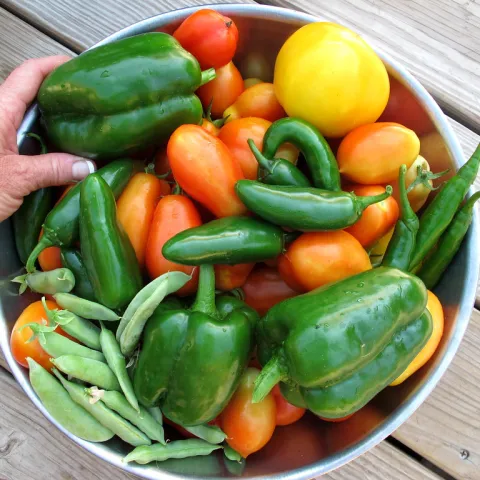
Youve designed, planted and tended your garden and now its time for the payoff the harvest. If youve planted a variety of crops they will ripen at different times, so you need to walk through the garden several times a week to look for crops ready to be picked.
Some fruit will become fully ripe while still on a tree (Santa Rosa Plum and apples) while others (European pears and avocados) need to be harvested and put into cool storage to finish ripening. Some citrus fruit can be held on a tree (some mandarins) while others need to be picked when ripe.
The ideal planting time is December through March when nurseries stock bare root fruit trees. The best spot in your garden for a fruit tree gets at least 6 hours of sun, is out of the wind, and can be easily watered.
Growing your own fruit, whether its apples, peaches or pears, requires that you plant your tree in a location where it receives at least 6 hours of sunlight a day during the growing season. Sun, plus regular irrigation are the two keys to successful fruit production.
Often, the best way to deal with pests and diseases in a vegetable garden is by avoiding them altogether. You can do this by changing the timing of your planting of a specific crop so that you avoid a pest altogether or you can select a disease resistant variety of a susceptible vegetable crop.
There are many factors to consider when selecting a fruit tree for your garden. One of the most critical is chill hours. Chill hours are the number of hours at 45F (7C) or less that the fruit tree requires each winter in order break dormancy and flower and bear fruit the next season.