UC ANR is committed to providing an accessible and inclusive web experience for all users. If you encounter an accessibility barrier or need content in an alternative or remediated accessible format, please contact anraccessibility@ucanr.edu.
Feeling overwhelmed and need a place to start? Check out our monthly tips for actionable, affordable ways to reduce fuel on your property. Our fire-smart landscaping tips are a reminder to homeowners to plan and maintain their homes and landscapes with awareness of the threat of wildfires.
Be part of a wildlife corridor between islands of natural habitat. Photo: Courtesy of UC Regents Habitat gardens provide connectivity Your garden can be a place for pollinators and insects to stop and refuel as they travel through urban, suburban, and wildland areas.
Alstroemeria aurea 'Saturne'. Photo: Wikimedia Commons Perennials are flowering plants that live longer than two seasons. Some are evergreen; others die back at the end of the flowering season and then regrow from the same roots the following year. Perennials are dependable and easy.
Dymondia magaretae, Wikimedia Commons Groundcovers range from ground-hugging mats to 3 or 4-foot spreading plants. They can be woody or herbaceous, evergreen or deciduous. Some grow from a single stem; others have spreading underground rhizomes that allow the plant to "creep.
Miscanthus sinensis, Wikimedia Commons Whether you want to create a naturalistic meadow, showcase a dramatic backlit border, or line a path, ornamental grasses are up for the job. Ornamental grasses and other grass-like plants like rushes and sedges are easily grown and work with many garden styles.
Wisteria sinensis, Wikimedia Commons Vines are usually grown for a purpose: to cast shade over an arbor, hide an unattractive chain link fence, or splay out over a hillside. If you're considering adding a vine to your garden, it is critical that you know its ultimate size.
Lilies are amongst the most popular bulbs. Julia Kadel, Unsplash If you love showy flowers, bulbs are for you. Bulbs, corms, and tubers store the food that keeps the plant alive during dormant periods.
Chinese pistache, Wikimedia Commons Leaves are so ubiquitous that it's easy to overlook all the benefits they provide and the transition many experience. There's science behind a crimson burning bush (Euonymus), brilliant golden Ginkgo, or neon-orange Japanese maple (Acer palmatum).
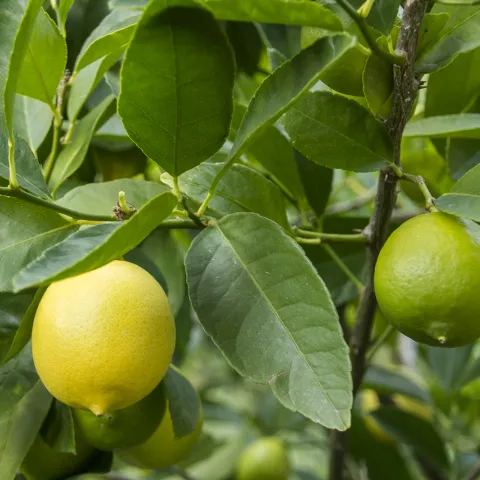
Check citrus trees for snails and slugs. Photo: Marie Narlock Observe water runoff during a heavy rain and correct any drainage issues. Protect tender garden plants by covering them on frosty nights.
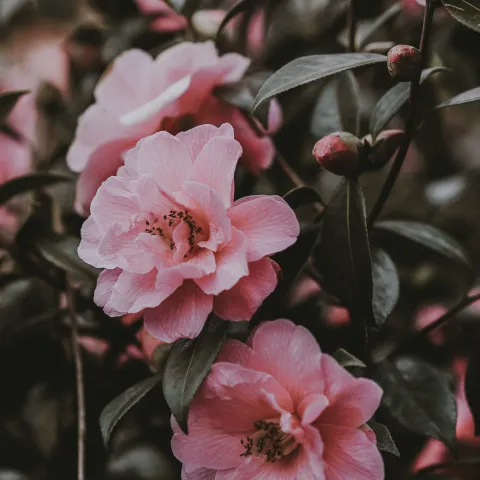
Pick up dropped camellias to avoid petal blight. Photo: Annie Spratt, unsplash Maintenance and prevention Inspect irrigation system for leaks and non-functioning emitters and sprayers. Run the system for a few minutes, paying close attention to which emitters are not working.