UC ANR is committed to providing an accessible and inclusive web experience for all users. If you encounter an accessibility barrier or need content in an alternative or remediated accessible format, please contact anraccessibility@ucanr.edu.
Dear colleagues: As part of the university's commitment to transparency and public accountability, including the way it compensates faculty and staff, UC is conducting its annual disclosure of systemwide employee compensation for calendar year 2023.
We wish to inform you that the EPA has issued an emergency order suspending the registrations of all pesticide products that contain DCPA (dimethyl tetrachloroterephthalate), also known as Dacthal. This order will prohibit the use of existing stocks of DCPA for any purpose, effective immediately.
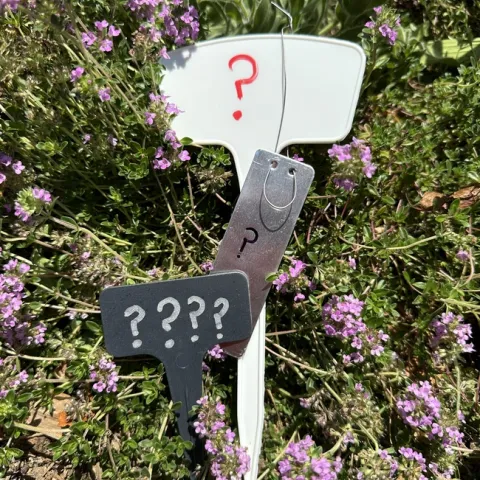
Long ago, I learned the importance of labeling my plants even when I was confident that I would remember what I planted and where. It turns out that my confidence was gravely misplaced too many times.
We hope to see you next Thursday at the Field Day! UC Davis and UC Cooperative Extension will host the UC Dry Bean Field Day on Thursday, August 15, 2024 from 9:30am to 11:45am. The field day will begin at the Agronomy Field Headquarters (2400 Hutchison Drive) on the UC Davis campus.
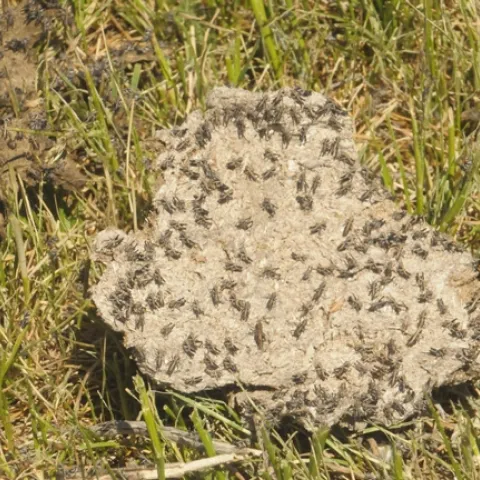
UCCE advisors share control, abatement strategies across Northern California That buzzing noise in Northern California is the sound of grasshoppers chewing a path of destruction through crops and pollinator-friendly plants as they hop across an expanding area.
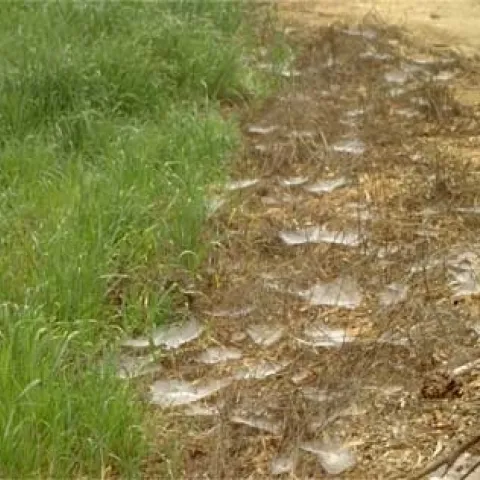
Are you noticing an abundance of cobwebs outside, on plants, fences, homes, or outdoor furniture? While many people fear spiders or dislike their cobwebs, most spiders are beneficial to have around even in the home! Spiders are predators of many insect pests and rarely cause harm to people.
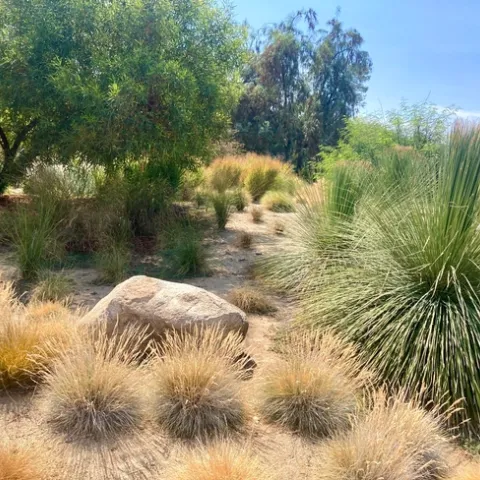
Take a stroll through your garden with a morning cup of coffee or tea. Collect ripened seeds of favorites and store for next year. Start planning for fall planting. Select plants that are resistant to common diseases and insect pests and choose an appropriate site for each one.
University of California report details farming's needs for climate resilience University of California - Riverside California should take urgent and bold measures to adapt its $59 billion agriculture sector to climate change as the amount of water available for crops declines, according to a collab...
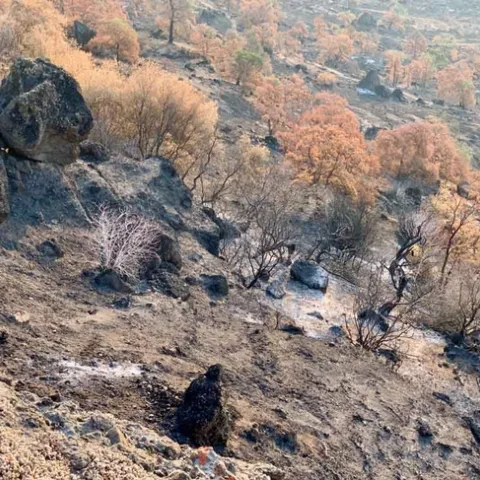
I first heard the term on the local evening news in fall of 2018: Meteorologist Kris Kuyper was talking about hydrophobic soils. This potentially catastrophic natural phenomenon seems counterintuitive: soils which are damaged by the intense heat of fire become water repellent.