UC ANR is committed to providing an accessible and inclusive web experience for all users. If you encounter an accessibility barrier or need content in an alternative or remediated accessible format, please contact anraccessibility@ucanr.edu.
As the summer sun shines brightly, July is a critical period for gardeners to nurture their plants, ensuring they thrive during the hottest part of the year. This month is a time of significant growth and harvest, where your diligent care can lead to a successful and bountiful garden.
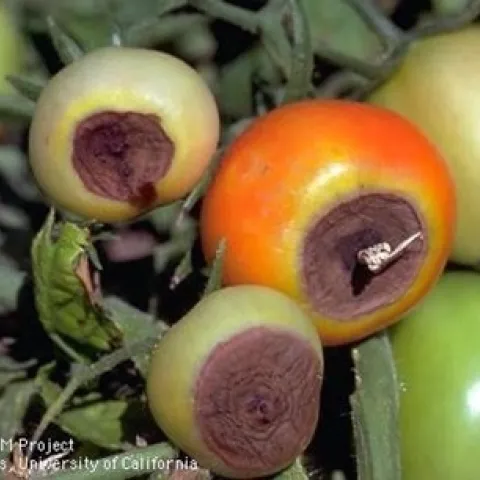
This post is a rerun from 2023. Have you noticed tomatoes that have round, water-soaked spots on the bottom? Blossom end rot (BER) is a frustrating problem that can be quite common in vegetable gardens, as it can affect tomatoes, peppers, and squash. You might notice it after a few very hot days.
Well, you can tell it is July in Fresno! Like the song says, The heat is on! The only consolation is that this too shall pass (in a few months). The heat takes a toll on your roses (and you too!).
Here in the Central Valley, summer heat spikes are becoming more frequent and lasting longer with extremely high daytime and nighttime temperatures. Regular deep, slow irrigation of mature landscape and crop-producing trees is key to keeping them in good health during heat spikes.
Contents: Home Composting With Worms Simply Beautiful Lavender Gardening for Awe and Wonder by Pamela White Have you ever seen those full black garbage cans tipped into trucks in your neighborhood? They haul our food waste to the landfill along with other discards we have tossed aside.
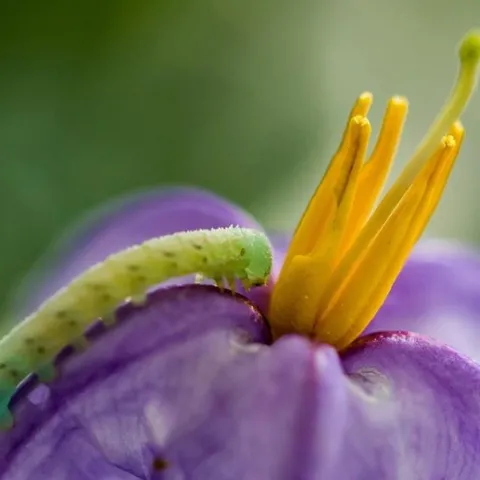
FAYETTEVILLE, Ark. A study of the effects of mowing on a common weed has found that what doesn't kill you can make you stronger. A study published in Nature's Scientific Reports has found that frequent mowing of Solanum elaeagnifolium may help create a superweed.
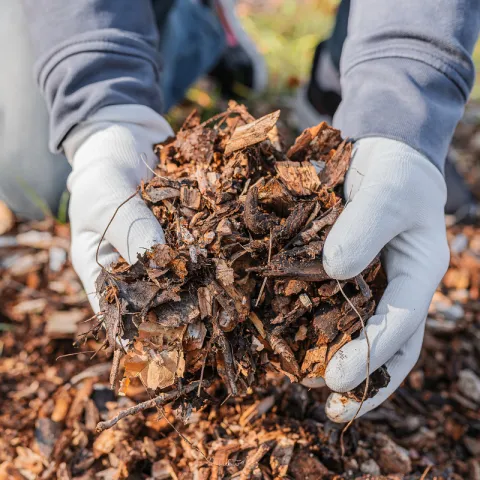
by Lori Palmquist What if I told you that mulch could cut your water use by at least a third, provide abundant soil biodiversity, making your landscape thrive like you could never imagine, AND contribute to the reversal of climate change?
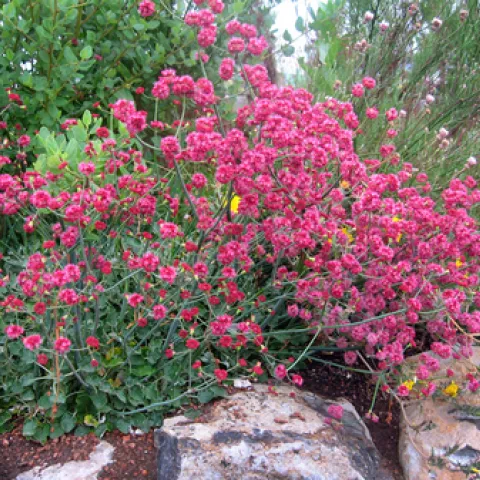
by Robin Mitchell In most of California, because of its Mediterranean climate, the state receives rain in the late fall, winter, and spring, with generally no rain falling in the summer. This means that most California native plants have adapted to being dormant in the summer.
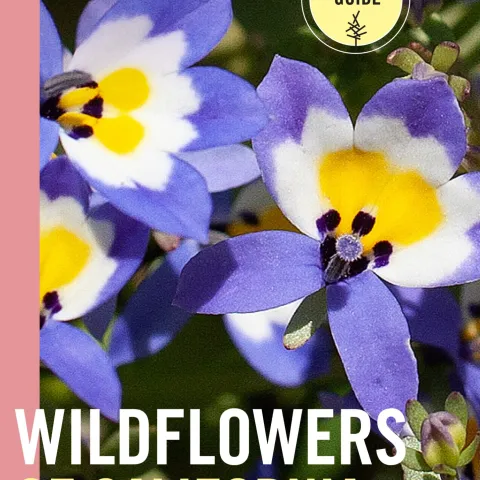
by Robin Mitchell The California Native Plant Society (CNPS) has two recent resources that can help with identifying and understanding California native plants. The first is an updated and redesigned Calscape web platform. The second is a new Wildflowers of California book.
by Cynthia Engers Many of us enjoy the look of plantings we may have seen on vacation and might like to grow some similar plants in our own gardens. Of course, we dont live in the tropics or Hawaii, so it goes without saying that we cant really duplicate a tropical garden in Contra Costa County.