UC ANR is committed to providing an accessible and inclusive web experience for all users. If you encounter an accessibility barrier or need content in an alternative or remediated accessible format, please contact anraccessibility@ucanr.edu.
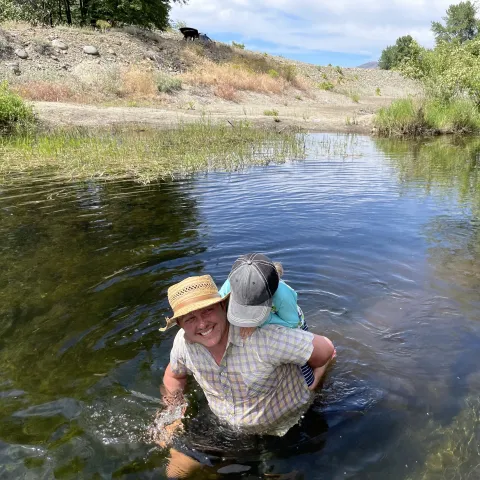
Costumed as river creatures with papier mch heads and dressed as the Army Corps of Engineers, Cleo Woelfle Hazard and a performance art group called The Water Underground dazzled the biennial Bay Delta Science Conference a few years ago. Woelfle Hazard then a Ph.D.
2024 Automated Technology Field Day Learn about the growing role of automated technologies in precision weeding and other ag operations at the 2024 Automated Technology Field Day! Watch live demonstrations of automated weeders, thinners, and sprayers from several companies, and discuss with company...
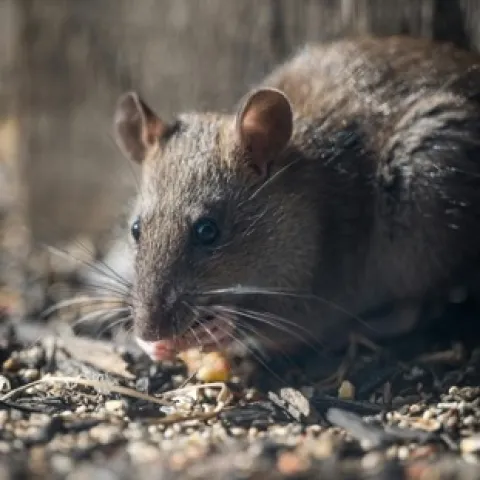
Rats can contaminate our food, damage structures, and spread diseases. To help residents and urban pest professionals safely and effectively manage rats, UC IPM has updated the Pest Notes: Rats publication.
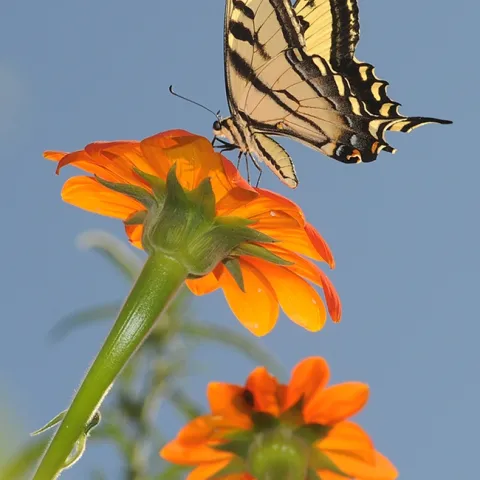
Bees, butterflies, beetles, birds and bats. What do they have in common? Skipping the alliteration for a moment, they're all pollinators. Honey bees grab the most attention, of course, and they do the bulk of the work. But so do bumble bees and other native bees.
Third Thursdays Things from the Field for June Next Thursday June 27th! 11:00AM - 12:30PM UCCE Sutter-Yuba 142A Garden Hwy, Yuba City, CA The first hour will feature lunch, a UCCE talk and Q&A on an orchard topic relevant to the time of year.
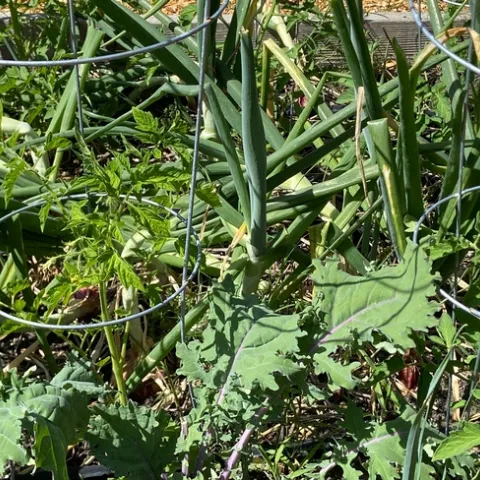
Words have many definitions, but when I was studying anthropology of education, I learned that from an anthropologist's point of view, agriculture is different from horticulture. The difference is that agriculture is based on growing food or other products to sell.
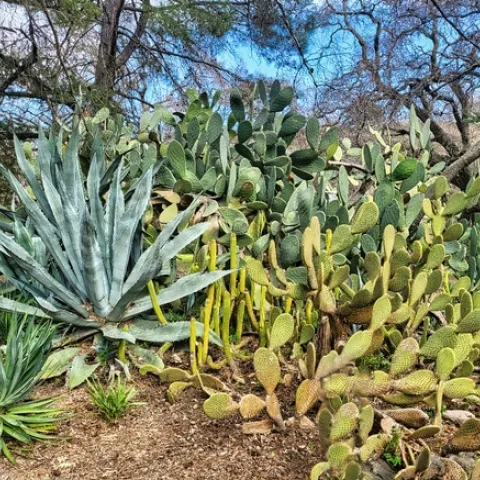
There is a magnificent old cactus garden located in Pea Adobe Regional Park, just west of Vacaville, CA. I was in awe when I first discovered the garden, noticing that some of the cactuses were huge with thick wood-like trunks.
Dear Colleagues, California Department of Food and Agriculture's (CDFA) Office of Pesticide Consultation and Analysis (OPCA) is now accepting applications for the Biologically Integrated Farming Systems (BIFS) Program.