UC ANR is committed to providing an accessible and inclusive web experience for all users. If you encounter an accessibility barrier or need content in an alternative or remediated accessible format, please contact anraccessibility@ucanr.edu.
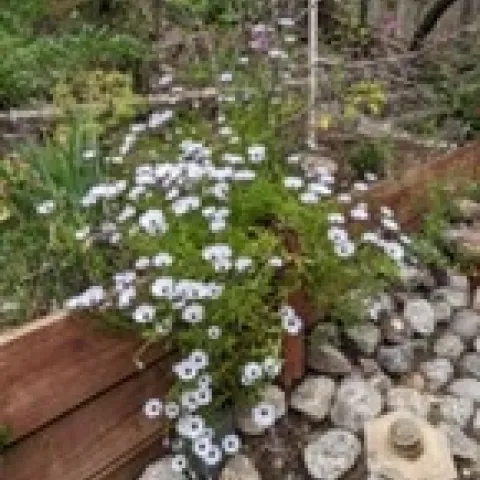
With all the lovely rain we've been having I am continually surprised by what pops up each season. This year our Osteosperum ecklonis has gone wild!! Pictured to the left is my flourishing African Daisy (it's common name).
Please see below link to access "How To Use Weekly Crop Water Use (ET) Reports to Assist Farm Water Management" How to Use Weekly Crop Water Use Report Please see below link to access "Weekly ET Report 06-03-2024" ET Report 06-03-2024 Please see disclaimer link below: University of California Divisi...
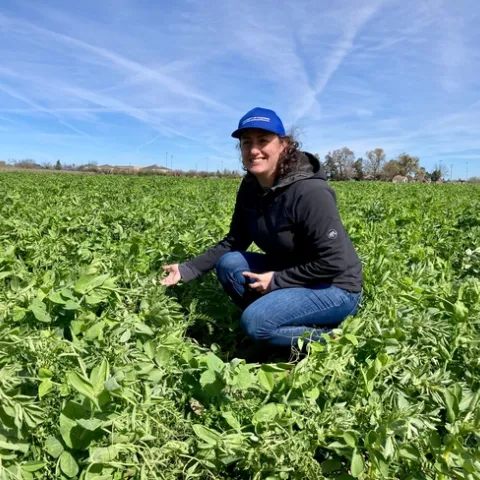
Cover crops are planted to protect and improve the soil between annual crops such as tomatoes or between rows of tree and vine crops, but growers may be concerned about the water use of these plants that don't generate income.
4-H Project Leader Clinic Clinic Details Join us for an immersive 2-day clinic at the UC Davis Campus, where we delve into the transformative power of the 4-H Thriving Model, coupled with dynamic, hands-on workshops designed to empower project leaders.
Contents Upcoming Events Pendimethalin Use in CA: Clarifications No-Till Drilled Rice 2nd Year Updates Tadpole Shrimp Issues in 2024 Late Season Control Options for Watergrass Cover Crop Variety Trial Be Wary of ChatGPT for Ag Questions...
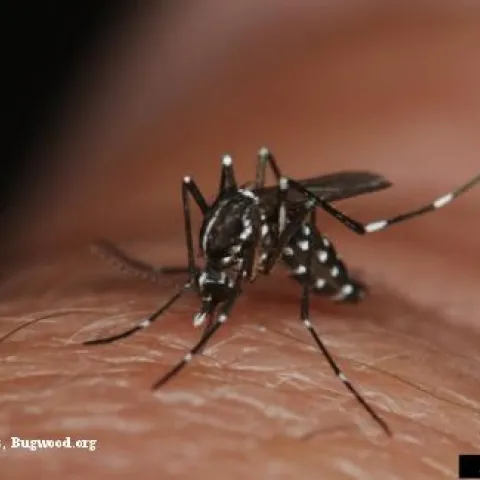
Aedes mosquitoes can transmit some of the most debilitating and deadly mosquito-borne pathogens to humans, such as Zika virus, dengue virus, chikungunya virus, and yellow fever virus. One Aedes species is also capable of transmitting heartworm to dogs.
Happy June! In this issue: The Merced County Fair begins Wed, June 5th and ends Sunday, June 9th. Come see our educational display on the lesser known key crops of Merced County in the Tioga Building.
At the onset of my fellowship I was nervous about spending too much time alone. Living by myself in a cottage on a ~5,500 acre remote research site stood in stark contrast to my urban upbringing in the East Bay Area.
What do we gardeners do when the forecast says a high of 100F but our plants beckon us? There are a few things we can do to make sure we and our plants stay safe. First, take care of yourself.
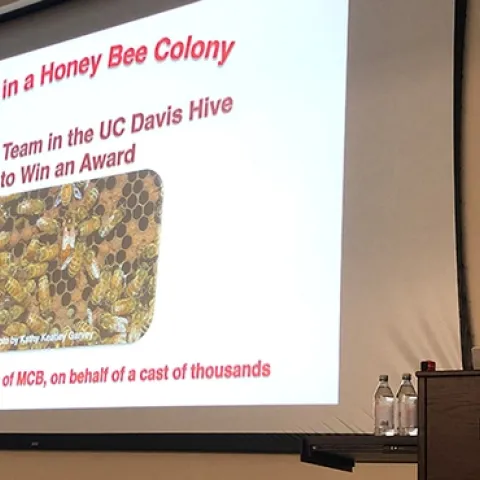
When UC Davis distinguished professor Walter Leal, recipient of a UC Davis Academic Senate's 2024 Faculty Distinguished Research Award, delivered his seminar at a recent luncheon in the UC Davis Conference Center, honey bees showed up, too. In images, text, and analogies.