UC ANR is committed to providing an accessible and inclusive web experience for all users. If you encounter an accessibility barrier or need content in an alternative or remediated accessible format, please contact anraccessibility@ucanr.edu.
Do you have livestock in San Benito County? If so, you'll want to attend the livestock pass fire training which will be hosted by the Ag Commissioner's office and presented by CAL FIRE.
Spring has sprung and not only are the birds and bees stirring, but humans on the Central Coast are out and about after a much-needed rainy winter season. There are parties, garden workdays and spring cleaning to attend to.
Graduate students and postdoctoral fellows who are alumni of the laboratory of UC Davis distinguished professor Bruce Hammock--they all praise him for his excellent mentoring, his love of science, and his caring personality. If you're a member of the Hammock lab, you're family.
Register before the cost goes up Weed Day 2024 :: click link below https://wric.ucdavis.edu/events/weed_day_2024.html Last day to get to early-bird cost is May 24, 2024. Register now! * * * * * * * * More events...
Young Orchard Irrigation and Nutrient Management Workshop Wednesday, June 5, 2024 at UCCE Kern County Conference Room See attached for agenda and registration link - CEU Credits approved Workshop Link...
Follow the link below for information. Training Class 2025 Overview Course overview: 18-week course Approximately 70-hour commitment Proposed start: January 11, 2025 Proposed end: May 31, 2025 In-person sessions about three times per month on Saturdays, typically 9am Noon.
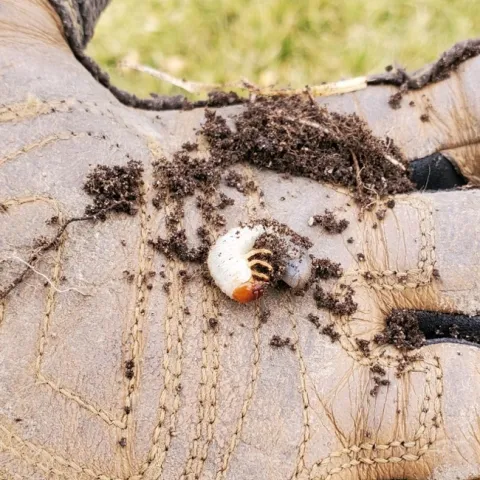
I was dealing with a gopher problem in a lawn awhile back and I came across another turfgrass pest that you may or may not be familiar with; a chafer beetle. These white grubs are the immature larval form of a chafer beetle. Here in California we deal mainly with the masked chafer (Cyclocephala spp.
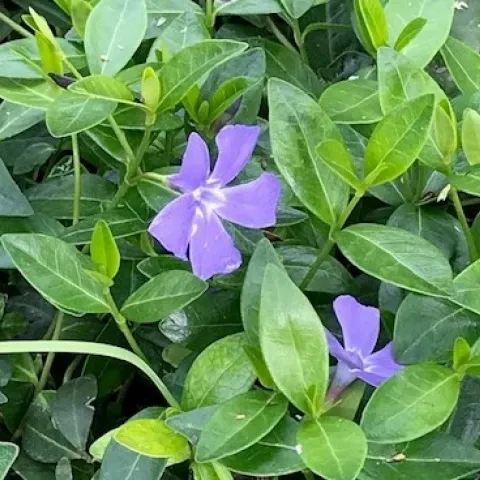
"We're not talking about one hungry plant here, we're talking about world conquest." Seymour, Little Shop of Horrors. Most often we think of invasive plants as those that are not indigenous to a region. California claims the greatest amount of natural botanical diversity of any state in the U.S.