Archive Nut, Prune and Olive Programs

Primary Image
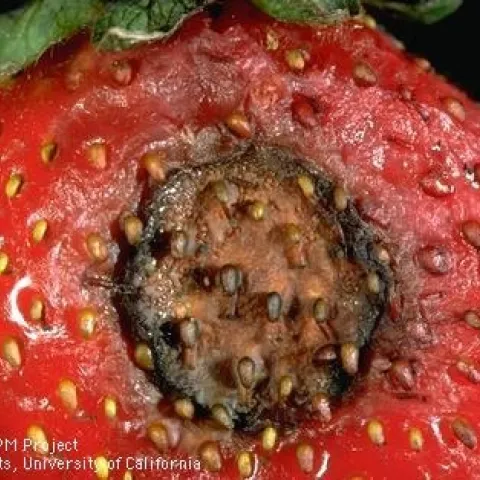
Mancha de color negra a marrón, un poco hundida y dura. Foto por UC IPM.
Fresas y Moras: Article

Se avisa precaución- se ha encontrado antracnosis

February 26, 2024
By Mark P Bolda
Se nos entreg una foto por un productor en el vienes de la semana pasada de unas fresas de su campo que demostraron sntomas obvios de antracnosis. Quiere decir lesiones oscuras en forma de una lente por la superficie de la fruta.
View Article
Primary Image
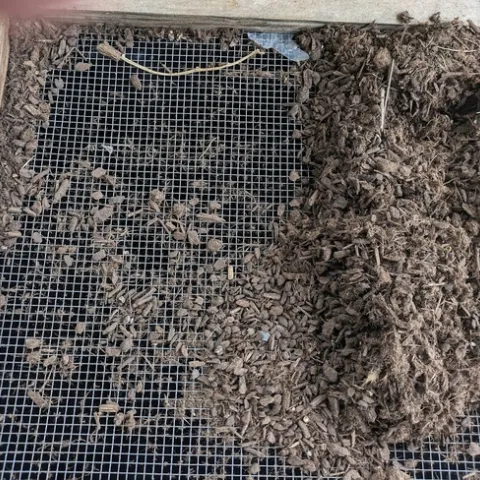
Sieving a mix, Tim Long.
The Stanislaus Sprout: Article

Starting Larger Seeds Indoors

February 26, 2024
By Anne E Schellman
We are getting close to the typical average last frost date at March 3rd. So now is the time to start some cucumber, squash or melon seeds indoors. First, you need some seed starting mix. You can use ready-made mixes, or you can make your own by using potting soil mix you have on hand.
View Article
Santa Cruz County: Article

4-H Contest for PI Day - Enter details attached

February 26, 2024
Dear 4-H families, We are excited to have teamed up with Santa Cruz Children's Museum of Discovery by hosting a PI Day Pie Baking contest with a special division for 4-H youth! A special thank you to Jamie (club leader) of Soquel 4-H club for arranging this event with Santa Cruz children's museum.
View Article
Primary Image
Dorina Espinoza
ANR Employee News: Article

In memoriam: Dorina M. Espinoza

February 26, 2024
By Pamela S Kan-Rice
With tremendous sadness, we mark the passing and remember the impact of our friend, colleague and mentor, Dorina Espinoza, who passed away Oct. 10 after a brief illness.
View Article
Primary Image
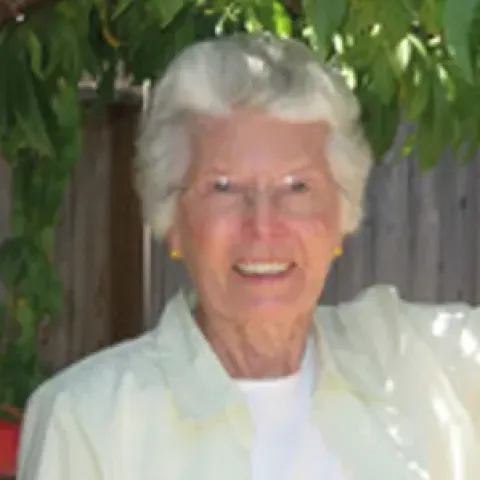
Helen Cope Underhill
ANR Employee News: Article

In memoriam: Helen Underhill

February 26, 2024
By Pamela S Kan-Rice
Helen Cope Underhill, former UC Cooperative Extension home advisor, passed away Jan. 2, 2024, at age 99. After attending Cooperative Extension home demonstration club meetings with her mother when she was a young girl in Alabama, Underhill decided she wanted to become a home demonstration agent.
View Article
Primary Image
Jeane Johnson
ANR Employee News: Article

In memoriam: Jeane Johnson

February 26, 2024
By Pamela S Kan-Rice
Jeane Greenawalt Johnson, former 4-H home advisor in Ventura County, died Feb. 2 in Los Gatos. She was 97. Johnson graduated from Kansas State University with a bachelor's degree in home economics in 1947 and later a bachelor's degree in education from San Jose State University.
View Article

March 2024: Making Soil for Seeds
Primary Image
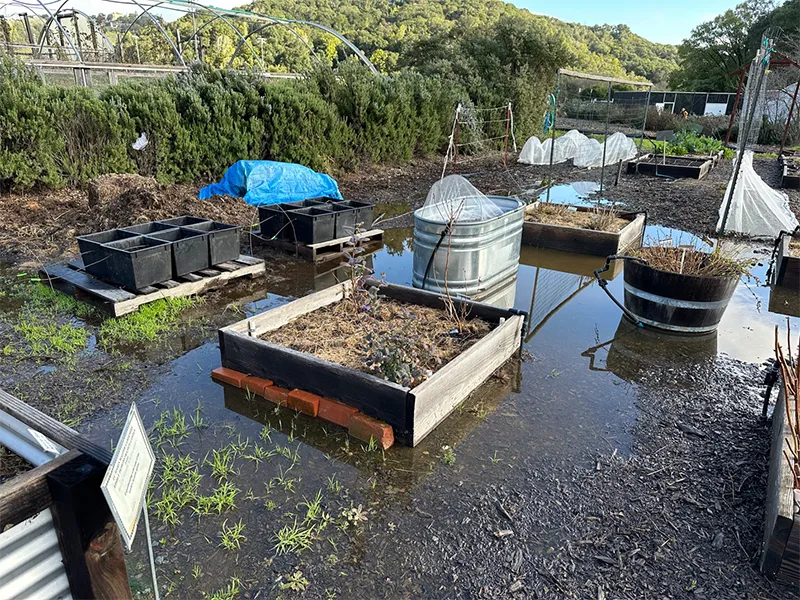
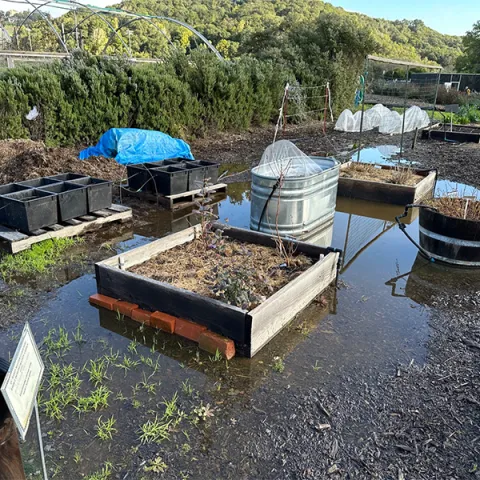
The flooded garden needed time to dry out after the February rains.
Body

Making Soil 1
The rain in February flooded the areas around the garden beds in the Edible Demo Garden. Volunteers were busy digging trenches to redirect the water away from the planted areas and salvaging any crops that were still productive. The wind also created havoc, blowing over compost bins, scattering planting containers, and overturning a picnic table. Once the damage was mitigated, there was little that could be done in the garden itself until the water drained and the soil began to dry. Attempting to work in soggy soil can create future problems due to soil compaction.

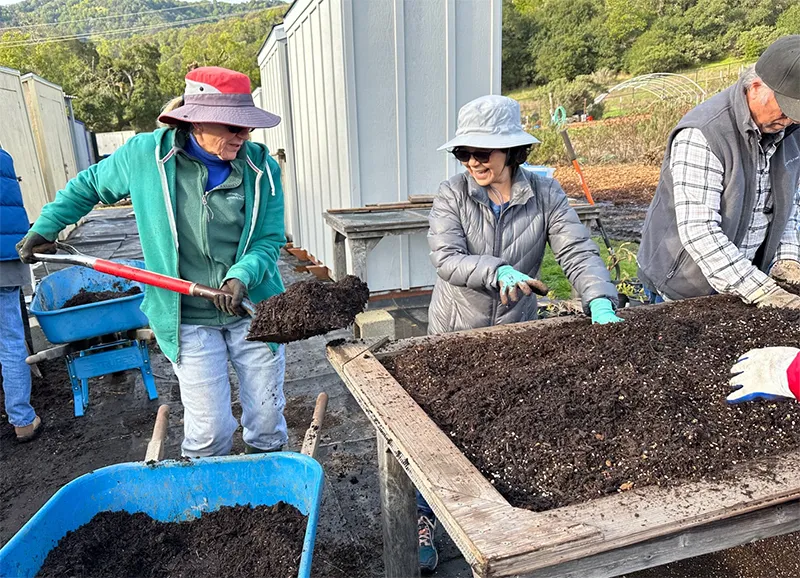
However, the Edible Demo Garden volunteers are not a group to remain idle, especially when it’s time to start seedlings for the spring and summer garden. The organic seeds for the chosen crops had arrived and they needed to be planted in the proper soil mixture and placed in the greenhouse to germinate. So, on a rare dry day, an enthusiastic group of volunteers met to make soil for growing seedlings.

What soil is best for starting seeds?
Making Soil 2
While some plants such as carrots, grow better when they are directly seeded into the garden, many others benefit from earlier starts in more protected conditions and are transplanted later into the garden. In the Edible Demo Garden, any soil used to start plants from seeds must be organic, containing no synthetic materials. Due to the amount of soil needed, it’s much more economical to make the seedling mix rather than purchase a ready-made organic mix. There are many recipes for seeding mixes, but most important is that they are formulated to hold air and moisture and are free of harmful bacteria. There are two soil mix recipes developed for the Indian Valley Organic Farm and Garden and these are also used in the Edible Demo Garden. Labeled “Breakfast Mix” and “Lunch Mix”, they are made by hand and shovel in large quantities. Screen tables set over plastic tarps are used for the sifting.

Breakfast Mix

Making Soil 3
Breakfast mix is used for starting seeds in trays or flats. It is made by sifting together the following materials:

  • 4 wheelbarrows Lunch Mix (20 cubic ft., already sifted)
  • 1 bag Vermiculite (4 cubic ft.) (medium or fine)
  • 1 bag Peat Moss (4 cubic ft.)
Lunch Mix

Lunch mix is used for potting up seedlings prior to transplanting or for bigger plants that will remain in 1–3-gallon containers for several months or more. The recipe for lunch mix is as follows. All the ingredients are mixed thoroughly and sifted together.

  • 6 wheelbarrows sifted compost
  • 1 bag Peat Moss (4 cubic ft.) 
  • 1 bag Vermiculite (4 cubic ft.) (medium or fine)
  • 1 bag Perlite (4 cubic ft.) (medium or fine)
  • 10 lbs or 6 qt Azomite (micronized)
  • 5 lbs or 5 qt Feather Meal (fine)
  • 2.5 lbs or 2 qt Kelp Meal (fine)
What is the purpose of the ingredients in a seedling mix?
Making Soil 4
Any mix must meet the needs of plant roots for air, water, nutrients, and support.

  • Compost – adds structure, provides nutrients, and contains beneficial microbes
  • Peat moss – retains moisture (coconut coir is considered a sustainable alternative)
  • Vermiculite – mined mineral, increases soil porosity and adds calcium and magnesium
  • Perlite – light, volcanic rock, helps to aerate by increasing pore space
  • Azomite – adds trace minerals
  • Feather meal – releases nitrogen
  • Kelp meal – adds nitrogen, potassium, and phosphorus
Ready to plant

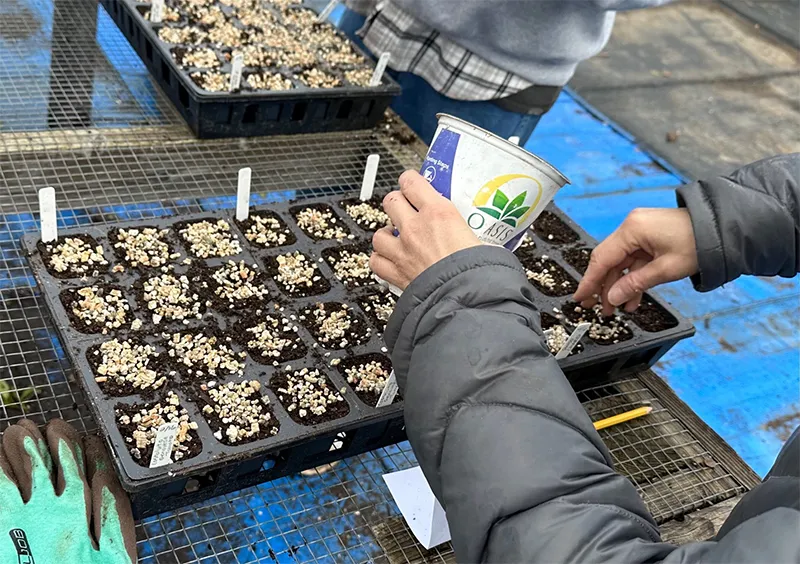
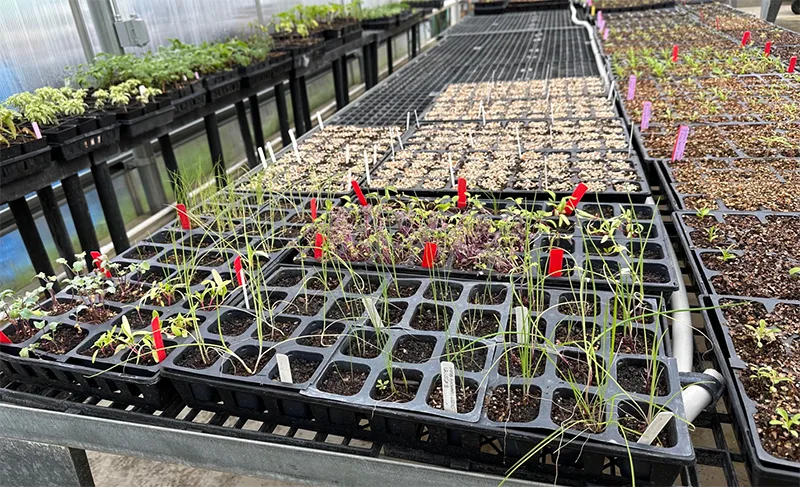
Once the “breakfast mix’ was made, it was used to fill seeding trays and planting could begin. A light topping of vermiculite was added to each cell to maintain the right moisture level.

Click on the following for more information on soil mixes and starting plants from seed: 
Sowing seeds for fun, flavor, and a successful harvest

Build healthy soil

UC Marin Master Gardeners
Primary Image
family bed 450
HOrT COCO-UC Master Gardener Program of Contra Costa: Article

Creating a Family Garden Bed

February 26, 2024
By Help Desk Team
Most of us in urban and suburban areas don't have enough room for a large edible garden. Our space is limited for growing vegetables, so we need to try different techniques to maximize our yields.
View Article