UC ANR is committed to providing an accessible and inclusive web experience for all users. If you encounter an accessibility barrier or need content in an alternative or remediated accessible format, please contact anraccessibility@ucanr.edu.
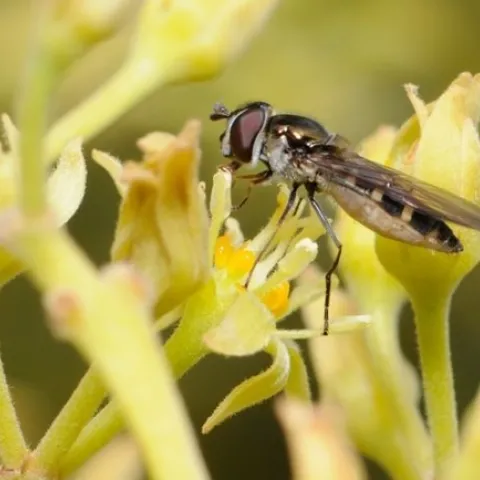
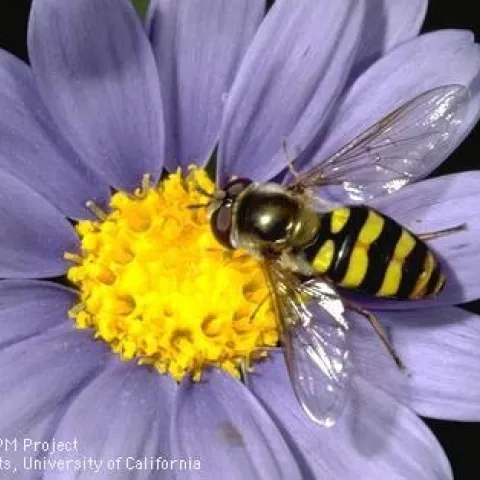
Oblique streaktail hoverflies zip from bloom to bloom wearing a wasp costume to avoid getting eaten. But it's all for show they don't even have stingers! Their fierce maggots, on the other hand, devour hundreds of insect pests. As they gorge, they help keep orange trees safe from disease.
There are around 350,000 pollinator species in the world. Though they are the most recognizable, bees are not the only plant pollinator team in town. Other insects that help to carry this responsibility are. butterflies, flies, moths and beetles.
A few years ago, I bought a few bags of glow- in- the- dark stones. My friend was making fairy gardens with her granddaughter and I thought they would enjoy the novelty of the stones. I kept a bag for myself. I don't remember being very impressed with the glow- in- the- dark capability.
Recently a fellow Master Gardener recommended I read Inherited Silence by Louise Dunlap. The book is described as an insightful look at the historical damages early colonizers of America caused and how their descendants may recognize and heal the harm done to the earth and the native peoples.
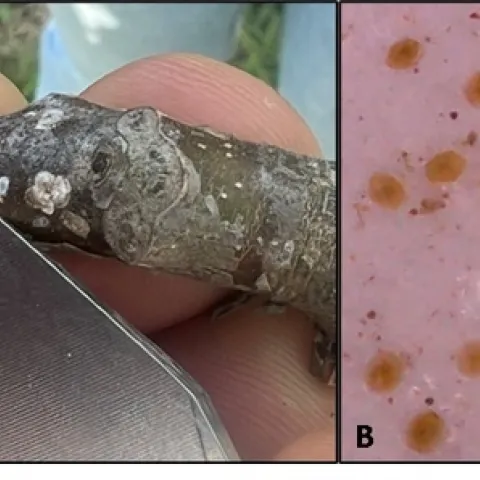
Walnut scale (Figure 1A) is an important economic pest of walnuts in California. High populations of walnut scale may affect tree vigor as well as predispose trees to diseases caused by several plant pathogenic fungi.
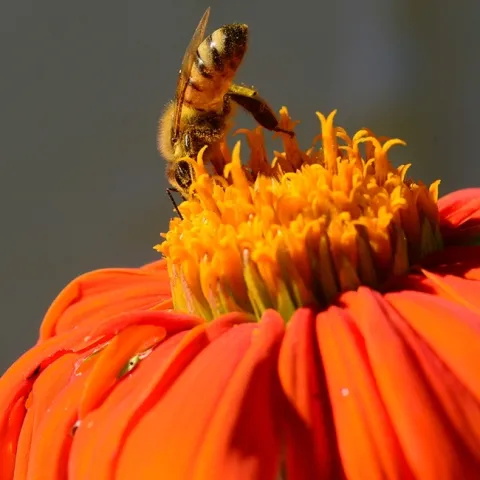
Hear that buzz? National Honey Bee Day is Saturday, Aug. 19 and you're invited to join this oh-so-sweet celebration! Launched in 2009, National Honey Bee Day takes place on the third Saturday of August. The event originated when a small group of beekeepers petitioned the U.S.
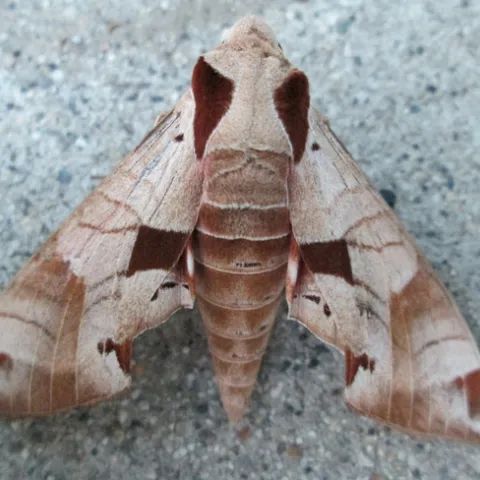
The cooler weather lately had me performing overdue maintenance in my garden. Cutting back some flowers on a perennial arugula plant the other night, I came across this stunning moth.
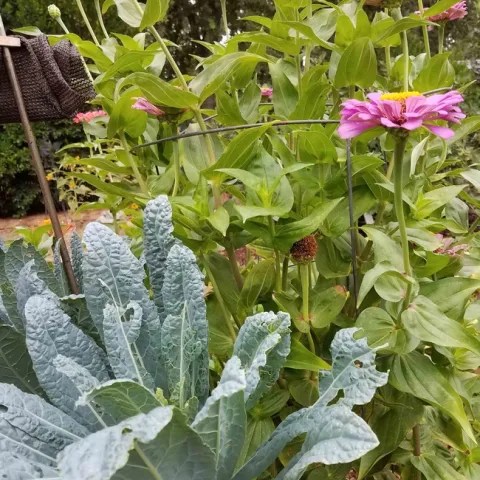
Cool season plants like a warm start, so it's not too early to begin adding some of them to the vegetable garden now. In this way you can extend the harvest of both warm season crops and cool season veggies.
We love to visit an extraordinary spot in the Sierra Nevada mountains and hike among the majestic Sequoia sempervirens (redwood) trees, located in the Calaveras Big Trees State Park.