UC ANR is committed to providing an accessible and inclusive web experience for all users. If you encounter an accessibility barrier or need content in an alternative or remediated accessible format, please contact anraccessibility@ucanr.edu.
DATE PALM IRRIGATION RESEARCH PROVIDES ECONOMIC, ENVIRONMENTAL BENEFITS THE IMPORTANCE OF IDENTIFYING AGRICULTURAL WEEDS MORINGA ROUNDTABLE FLYER - JULY 18, 2023 IMPERIAL VALLEY CIMIS REPORT AND UC WATER MANAGEMENT RESOURCES...
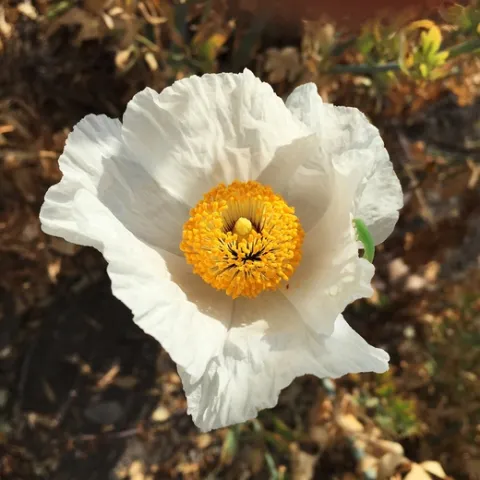
Matilija Poppy By Deborah Light-Pacheco UCCE Master Gardener Common name of plant: Matilija poppy Scientific name: Romneya coulteri Planting area: Sunset zones, 4-12, 14-24: H1 Size: 6-8 feet tall, spreading Bloom Season: late spring into summer and fall with irrigation Exposure: full sun Pruning ne...
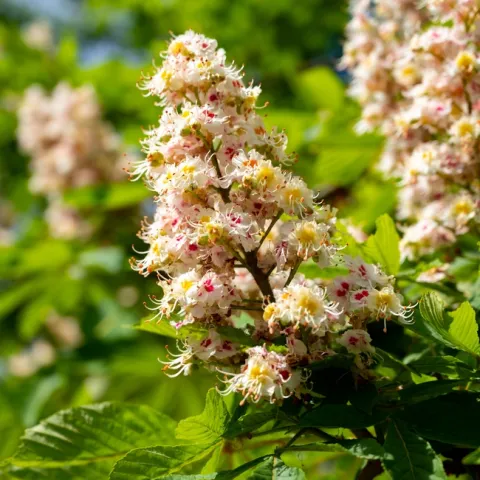
California buckeye By Jutta Thoerner UCCE Master Gardener Aesculus californica Tree size: up to 30 feet tall Bloom description and season: spring flowers are white to pale pink, 6-8 inches long and 2-3 inches wide Pruning needs: prune during dormant season Exposure: sun to partial shade Water needs:...
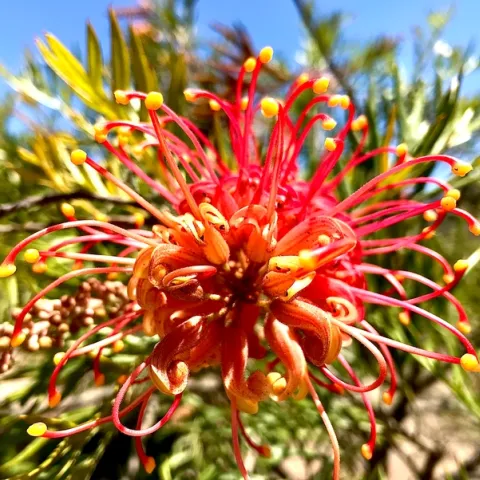
Grevillea By Megan Edwards UCCE Master Gardener Grevillea Superb' Proteaceae (Proteas) Planting areas: Sunset Zones 16-24 Size: 5' wide to 6' tall Bloom season: late winter to late autumn.
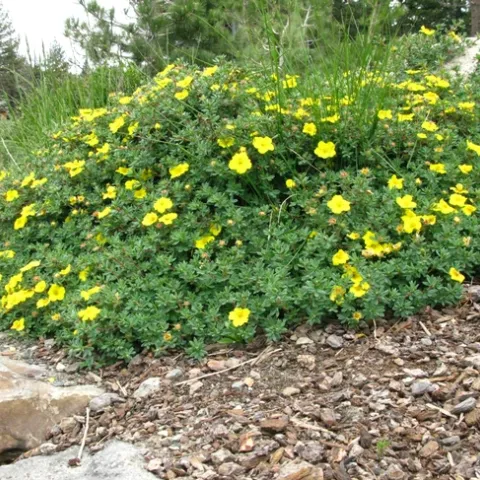
If you want an easy care, hardy addition to your garden, then shrubby cinquefoil is great to consider. It's a tough garden plant that keeps producing its carefree flowers all summer long.
Implications for tequila growers Agave are a common sight in Southern California and are frequently used in landscaping for homes, businesses, and in public spaces. You've almost certainly seen agave growing in your neighborhood and may even have some growing yourself.
Companion planting is a well known practice to many gardeners. Companion planting is defined as planting two or more plants in proximity to each other so as each plant benefits from the presence of the other. By providing positives such as, support, shade, protection from each others pests, etc.