Alternate bearing is a condition not unique to the avocado but many other crops as well. Citrus, pears, apples and apricots are just a few other crops which struggle with this problem.
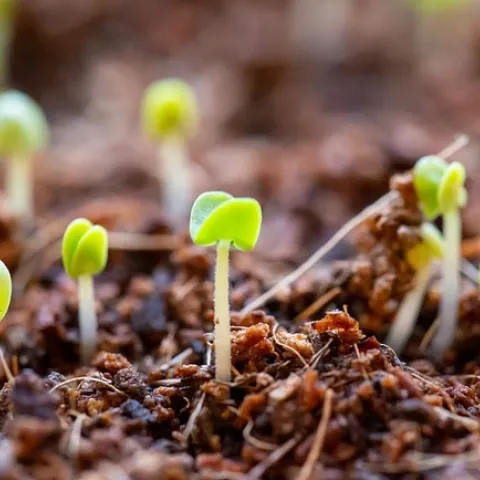
by Melody Kendall From an early age growing plants from seeds has been a continual source of awe, amazement and satisfaction for me. Those tiny little bundles of life emerge into cute green sprouts and then into larger, sometimes mind bogglingly huge plants.
Jaspreet Sidhu is the UC Cooperative Extension Vegetable Crops Farm Advisor in Kern County. Glyphosate, a popular non-selective herbicide is widely used in agriculture to provide cost-effective, broad-spectrum weed control in more than 100 crops.
When I was in the 6th grade, we were given an assignment to read books from several different topics (i.e. history, famous people, a classic) and write a book report on each. Being a voracious reader since pre-school, I quickly went through all the assigned topics but one. . .science.
By Cindy Watter, UC Master Gardener of Napa County For me, the great question at the plant nursery these days is whether to buy the little plant or the big one. The small Hot Lips' salvias I bought two years ago are fat and fluffy and covered with flowers today.
A feature story spotlighting former UC Davis entomology senior, Rebecca Jean "RJ" Millena, received the gold award or first place, in an international writing competition sponsored by the Association for Communication Excellence (ACE).
Talk about a quail of a time.... When the ootheca of a praying mantis, Stagmomantis limbata, hatched April 9 on a clothespin clamped to our clothesline in our yard, all the nymphs scattered. Some crawled up a metallic quail sculpture, the highest structure on the clothesline.
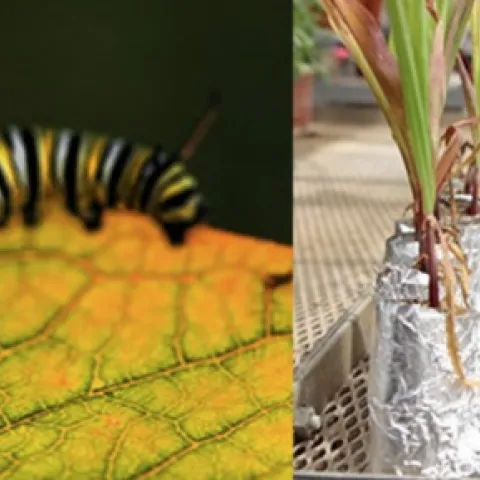
Jared Ali, an assistant professor at Pennsylvania State University, will speak on "Chemical Ecology of Plant Defense and Multi-Trophic Interactions: Bad Bugs, Pungent Parasites and Toxic Travelers" at the next seminar hosted by the UC Davis Department of Entomology an Nematology.
There's a map on the back of your seed packet. Colored zones of the contiguous forty-eight states are highlighted. On the side the colors are identified as when to plant your seeds. Climate change has disrupted that map. Areas that were cooler in the spring are now getting warmer.