UC ANR is committed to providing an accessible and inclusive web experience for all users. If you encounter an accessibility barrier or need content in an alternative or remediated accessible format, please contact anraccessibility@ucanr.edu.
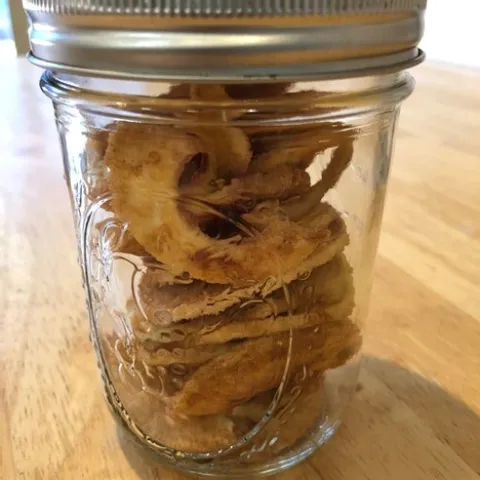
We are blessed here on the Central Coast with an extended apple season that begins in August and can continue well into November. Although applesauce and apple pie are favorites this time of year, dehydrating apple slices can be a yummy snack and even better gift this holiday season.
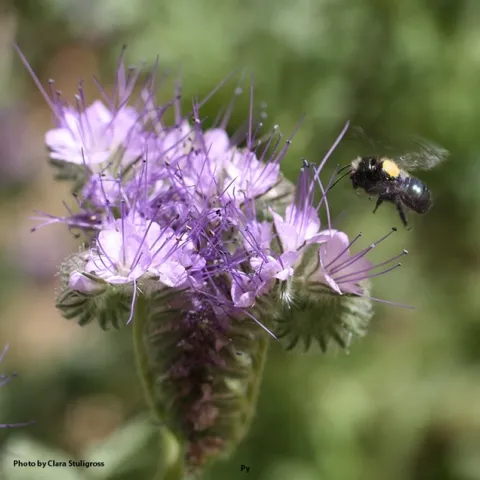
The systemic insecticide imidacloprid, belonging to a class of chemicals called the neonicotinoids or "neonics," is commonly used to control insects that damage agricultural crops.
Break's over; back to work! The meetings have resumed. It was very nice however to hear voices in the ANR building this week. While a number of us have been in regularly, it has been rather quiet. Perhaps we are turning a corner, with more people coming in on a steady basis.
I am talking about the herb Basil with the botanical genus name of Ocimum, from the Greek word okimon, meaning smell. It's a very appropriate name for this herb because it sure has a nice, strong fragrance.
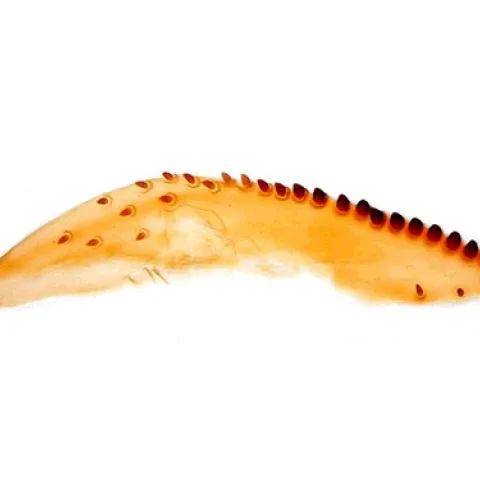
Hey everybody, Mark here. Sometimes it's good to go back and review the basics on a problem, and Dr. Artyom Kopp from UC Davis, an expert on vinegar flies, including of course spotted wing drosophila, offered up the post below.
The black fig fly is a new invasive species recently found in Southern California. It has been found in fig orchards in Los Angeles, Orange, Riverside, Santa Barbara, San Bernardino, San Diego, and Ventura counties. This small insect attacks only figs and prefers unripe or unpollinated fruit.
Our program had a successful Giving Tuesday thanks to generous donations from our community that totaled $2,575! This means we can break ground on one of our gardens this spring! We will keep you updated on our progress through this blog as well as on social media via Facebook, Instagram, and/or our...
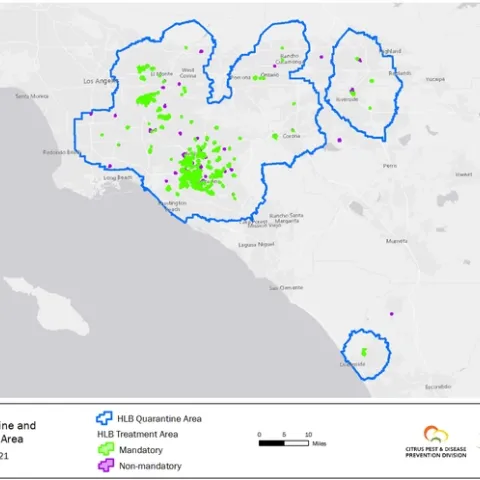
Huanglongbing Update As of November 5, a total of 2,619 trees and 368 ACP have tested positive via PCR for the bacterium that causes HLB. The most recent activity has been in Orange and San Bernardino counties.
With the holidays just around the corner, the gardener and horticulturist in your life would appreciate a thoughtful gift to fuel their passion for growing.