UC ANR is committed to providing an accessible and inclusive web experience for all users. If you encounter an accessibility barrier or need content in an alternative or remediated accessible format, please contact anraccessibility@ucanr.edu.
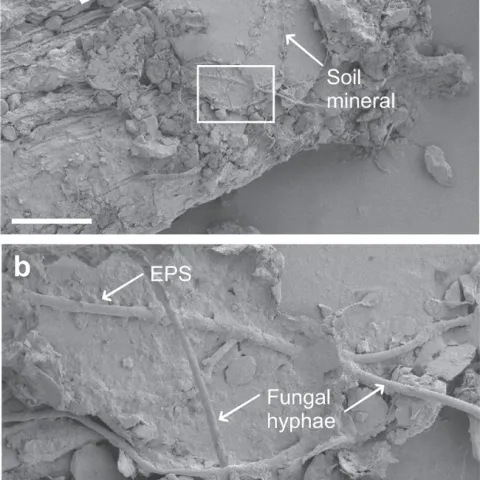
For quite some time, farmers and researchers have been focusing on how to bind carbon to soil. Doing so makes food crops more nutritious and increases yields.
For most of the 2020-2021 program year, 4-H projects have had no choice but to conduct meetings virtually due to the COVID-19 Pandemic. In May, 4-H projects were permitted to hold in-person meetings at a limited capacity.
PLEASE NOTE: Due to drought conditions these stations currently have insufficient vegetative cover to provide accurate ETo data. At this time, 146 Belridge is providing the best ETo data for Kern County.
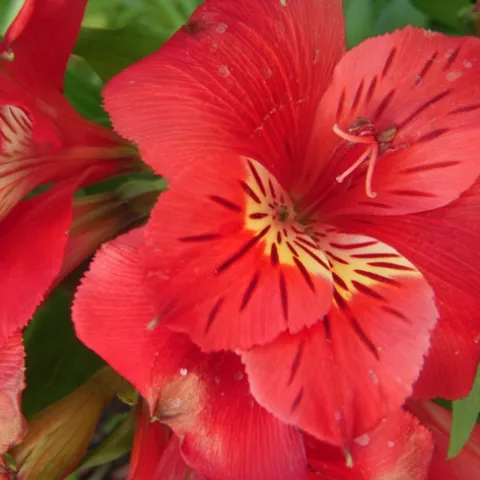
Native to South America, Alstroemerias are now such popular flowers you see them everywhere from floral arrangements to local flowerbeds. I'm enjoying them in both my front and back flowerbeds for the third year in a row. These striking exotic beauties require little maintenance.
Although the best time to plant natives is late fall, winter, and early spring, NOW would be a great time to consider transforming your landscape to natives due to the drought conditions hanging on this year (2021).
Field research in agricultural and natural resource science has been ongoing at UCANR Research and Extension Centers for over 70 years, making an impact on the food we eat and the management practices we recommend.
I am extremely pleased to announce the following 10 UC Cooperative Extension positions are released for recruitment: #11 Plant Pathology Area Advisor, Santa Cruz County #13 Soils and Irrigation Advisor, Kern County #15 Urban Agriculture/Small Farms Area Advisor, San Bernardino County #27 Community N...