UC ANR is committed to providing an accessible and inclusive web experience for all users. If you encounter an accessibility barrier or need content in an alternative or remediated accessible format, please contact anraccessibility@ucanr.edu.
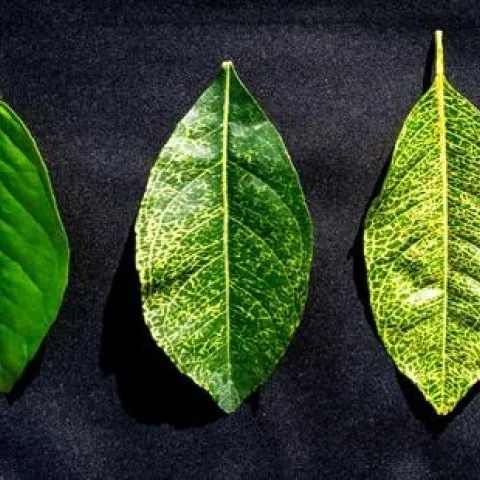
Scientists are hoping the RNA of an obscure infection can one day be used like a Trojan horse to deliver life-saving treatments to citrus trees. UCR microbiologist Kiran Gadhave examining citrus for yellow vein disease symptoms.
Made a batch of chicken broth recently and pressure canned it up. For previous batches I have used a conglomeration of leftover chicken bones, carcasses, necks and such that I stash in my freezer for just such a use. For this batch I went shopping for some other things.
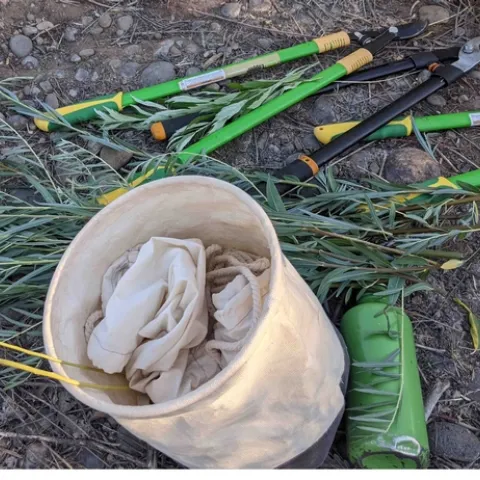
Two quotes from the leaders of the May 25 Wildtending Walk at Verbena Fields in Chico are pertinent here. Toward the end of the walk Ali Meders-Knight, Traditional Ecological Knowledge (TEK) Specialist for the Mechoopda Tribe, said The more we understand this place together, the better off we'll be.
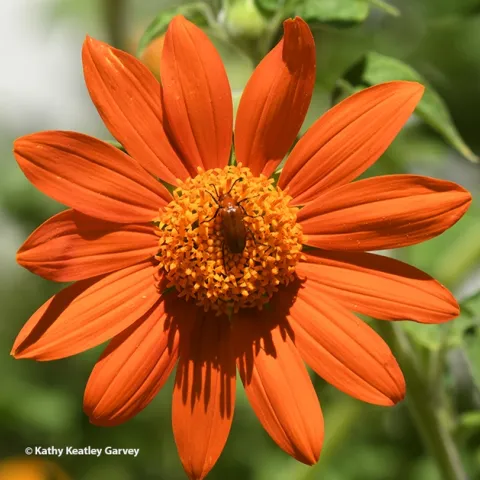
When you think of pollinators, you think of bees, right? And well you should: honey bees are the global workhorses of the pollination community and pollinate about one-third of the food we eat, including fruits and vegetables and some nuts, primarily almonds (California's almond acreage exceeds 1.
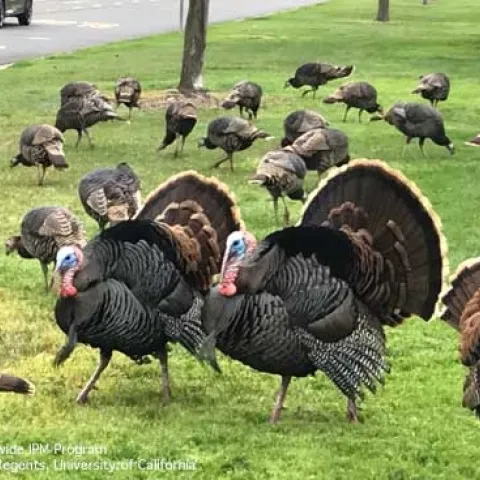
Have you seen wild turkeys wandering through your neighborhood? These American birds were once on the verge of extinction but now can be found foraging for food in urban and suburban neighborhoods. Some people enjoy the sight of a flock of wild turkeys strutting by their house.
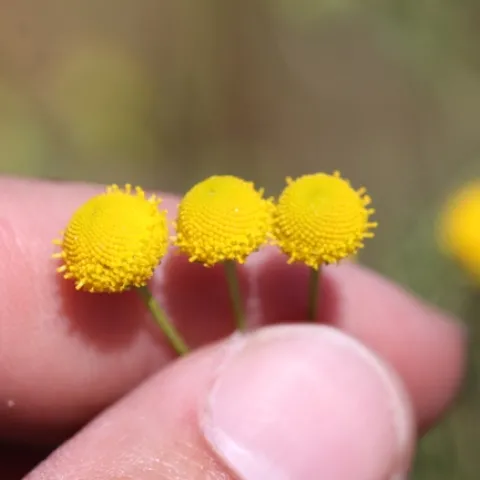
Stinknet (Oncosiphon pilulifer) is a relatively new weed to North America and has been moving quickly and spreading in San Bernardino County. Gardeners may have noticed this unusual yellow-flowered plant growing in their yard this year, even though we are in a significant drought.
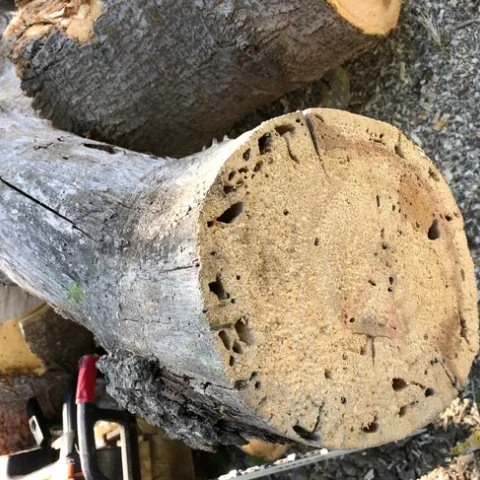
David Peris, Xavier Delcls, Bjarte Jordal https://doi.org/10.1111/brv.12763 A beetle bores a tree trunk to build a gallery in the wood in order to protect its lay. As it digs the tunnel, it spreads ambrosia fungal spores that will feed the larvae.