UC ANR is committed to providing an accessible and inclusive web experience for all users. If you encounter an accessibility barrier or need content in an alternative or remediated accessible format, please contact anraccessibility@ucanr.edu.
I had the opportunity last week to attend the Weed Science Society of America (WSSA) annual meeting which was held in Portland OR this year. The meeting was really interesting as usual with many interesting oral and poster research presentations.
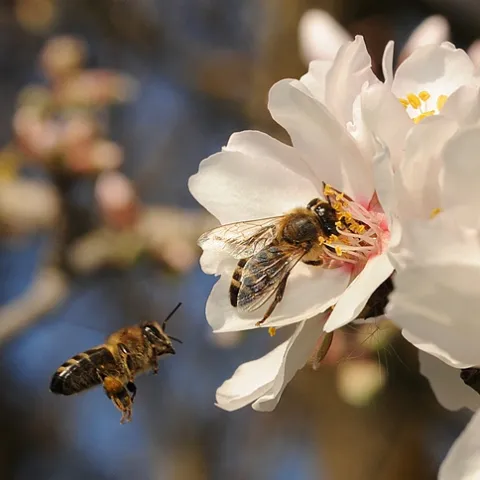
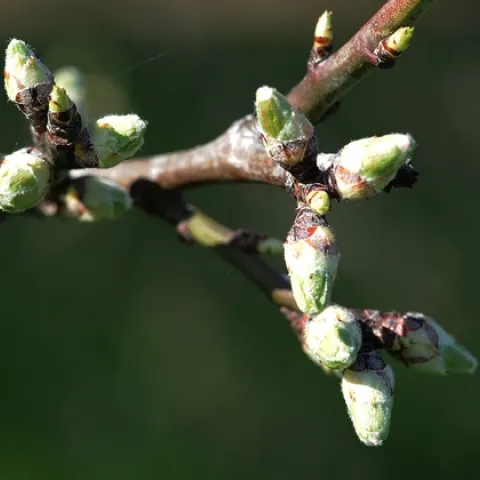
It happened. Remember when Chicken Little ran around yelling "The sky is falling! The sky is falling!" For almond growers, beekeepers, entomologists, researchers and artists, it's "The almonds are blooming! The almonds are blooming!" Finally, the almond trees at the Harry H. Laidlaw Jr.
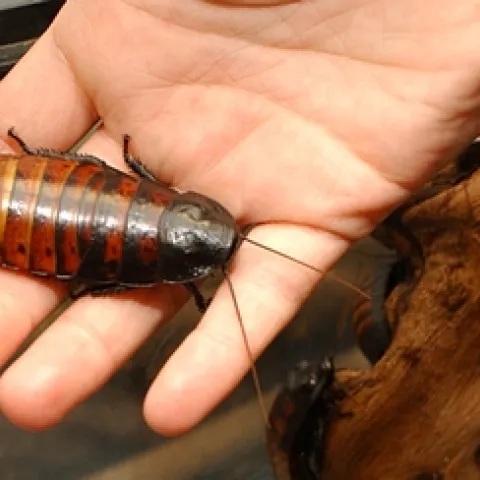
Didn't you just love that commercial for the Volkswagen Beetle during the Super Bowl? While the Green Bay Packers were beetle-ing up the Pittsburg Steelers, 31-25, Volkswagen brought out its delightful Super Bug commercial. It starred a black beetle with racing stripes.
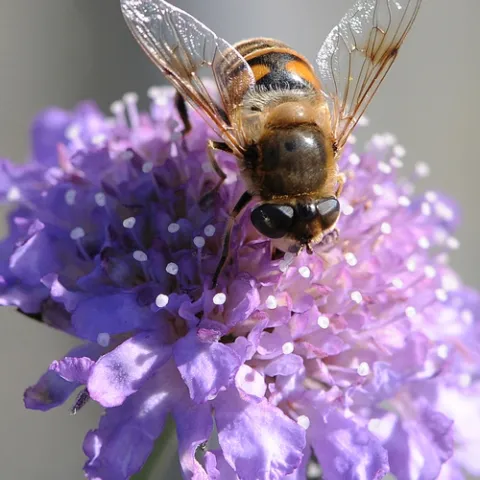
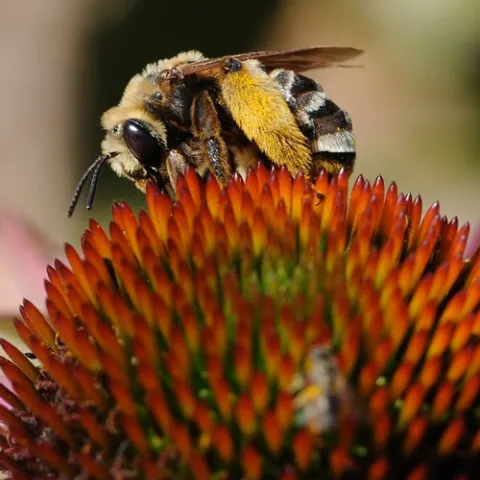
"If it looks like a duck, quacks like a duck, and walks like a duck, it's probably a duck," or so the saying goes. But if it looks like a honey bee, moves around on blossoms like a honey bee, and feeds on nectar and pollen like a honey bee, it may not be a honey bee.
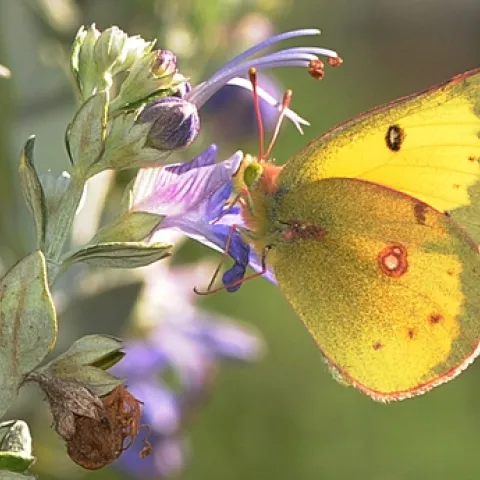
Mellow yellow! The butterflies are back! We spotted a bright yellow butterfly nectaring a bush germander on Feb. 7 in the Hagen-Dazs Honey Bee Haven at the Harry H. Laidlaw Jr. Honey Bee Research Facility, University of California, Davis.
It's one of the most beautiful agricultural scenes you'll ever see--bee trucks heading to California almond orchards to pollinate one of the state's most important crops.
Science literary is in trouble. A recent survey commissioned by the California Academy of Science showed that nearly half of the nation's adults believe that dinosaurs and humans existed at the same time.
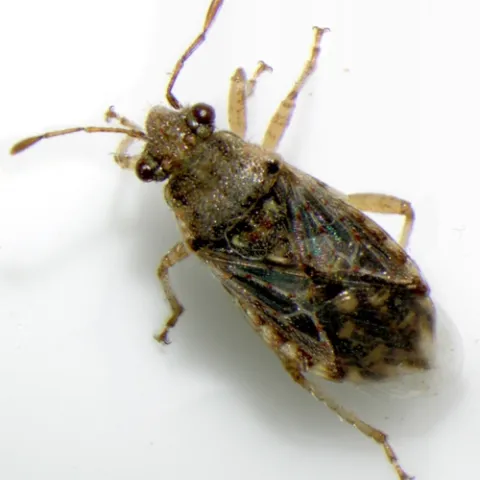
Grass bug, Arhyssus sp. (Photo by Rodney Cooper, USDA-ARS, Shafter) Several specimens of grass bugs have been brought to our office in the recent weeks. These are of varying sizes (about 7-12 mm), but identified by the CDFA systematist, Rosser Garrison as Arhyssus sp.