Archive Nut, Prune and Olive Programs

UC Master Gardeners of Tulare and Kings County: Article

Celebrate Arbor Day by Planting a Tree

March 14, 2026
By Pam Wallace, UC Master Gardener Volunteer of Tulare/Kings County
Arbor Day is a national holiday that recognizes the importance of trees. The most common way people celebrate Arbor Day is to get together in groups to plant trees. The next National Arbor Day is Friday, April 24, 2026.  When was the First Arbor Day?Arbor Day was first celebrated in Nebraska…
View Article

Sweet peas grown with ease

Primary Image
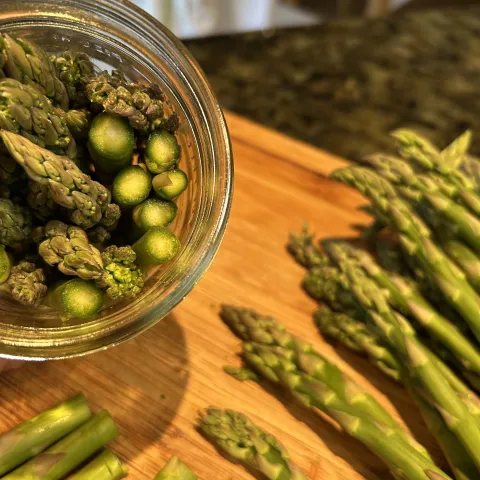
closeup of sweet peas in a jar
Body

Nostalgic and timeless, the first blooms of sweet peas (Lathyrus odoratus) are a springtime treat. Bearing a heavenly floral scent and coming in every color except yellow, it’s easy to see why gardeners around the world fall in love with sweet peas. Additionally, they are relatively easy to start from seed; there are a few tricks to growing them in our summer-dry Mediterranean climate, but with the right care, even beginner gardeners can enjoy a row of fragrant sweet peas come spring!

sweet pea seedlings
These sweet pea seedlings are still too small to be planted out. Photo: Emily Daane

Sweet peas are hardy annuals, meaning that they can tolerate low temperatures - in our mild climate, they can be sown either in autumn or late winter. Seeds can be started early indoors by spreading seeds across a damp paper towel placed in the bottom of a container. Cover the container with plastic film and leave the seeds overnight: this will help soften the seed coat, leading to speedier germination. You can also leave the seeds in their container or in a plastic bag until they’ve begun to sprout – I’ve had the most success with this method. Once you’ve prepared your seeds and are ready to plant, choose seed trays or seedling pots with a depth of 4 inches or greater to give their roots ample room, and cover seeds with half an inch of soil. It’s best not to directly sow the seeds where you intend your sweet pea to go, as this can leave young seedlings vulnerable to being munched on by pests. After the seedlings have reached at least 3 inches in height, they can be planted out in the garden. 

sweet peas spilling over a pot
It’s important to build a tall, sturdy structure - here, my too-flimsy structure collapsed under the sweet peas’ weight. Photo: Emily Daane

Sweet pea plants produce vines that can reach 5-7 feet in height, so it’s important to provide the plants with a trellis or structure to climb up: examples include wire fencing or netting run between two stakes, or you can make a tripod of stakes wrapped in twine. Or, you can choose a dwarf or bush variety (for example, the ‘Supersnoop’ series) that only reaches 8 inches to 3 feet in height and does not need staking. Prepare your planting site by adding compost and a natural fertilizer, such as bone meal or a well-balanced organic fertilizer, to the soil. Sweet peas thrive with their roots in cool, moist soil and their vines in full sun: to achieve this, you can plant annuals around the base of your sweet pea to shade the roots. It’s also a good idea to pinch, or remove, the growing tip of your sweet peas, taking them down to a pair of leaf nodes once they’ve reached 4-6 inches in height, as this increases the number of side shoots – and therefore blooms – your sweet peas produce.  

closeup of sweet peas in a jar
A posy of sweet peas: this white variety ‘Jilly’ is exceptionally scented even among sweet peas. Photo: Emily Daane

Sweet peas prefer cooler weather – in our climate, they’re likely to bloom from mid-spring until early summer, when it becomes too warm for them. However, for the months in which sweet peas bloom, they bloom prolifically. While a few sweet pea vines growing up a trellis make a stunning decoration for any garden, one of the reasons I grow them is that they make remarkable cut flowers. Sweet peas actually benefit from having their blooms cut, so the more you cut them, the more they bloom. If left alone, sweet pea blossoms eventually form green pods that resemble peas. However, it’s important not to get the two confused, as unlike their edible cousins, sweet peas are poisonous if eaten in quantity. If left to ripen, sweet pea pods form new sweet pea seeds – to collect them, just open up the pods once they’ve dried out, and hold onto the seeds until it’s time to plant them next growing season. Keep in mind that seeds may not produce plants that are the same color as the parent plant.

With their sweet fragrance and delicate blooms, sweet peas are sure to delight. So plant a row of sweet peas this spring to fill your garden with scent and your heart with whimsy.

By Emily Daane, March 14 2026

UC Marin Master Gardeners
Event Primary Image
Fire House
UC Master Gardeners of Ventura County: Event

Firewise Living: From Structure to Landscape/Port Hueneme Library

Event Date
Jun 9, 2026

Firewise Living: From Structure to LandscapePhoto credir UCANRThis practical workshop equips homeowners with essential skills to reduce wildfire risks. Participants will learn strategies for creating defensible space around structures, including vegetation management, landscaping techniques, and home…
UC Master Gardeners of Ventura County
View Event
Event Primary Image
Raised Bed/Pixabay
UC Master Gardeners of Ventura County: Event

Vegetable Container Gardening/Port Hueneme Library

Event Date
May 12, 2026

Vegetable Container GardeningPhoto credit PixabayJoin  VC Master Gardener Terry Garman, for a talk on growing vegetables in containers. It is an easy, fun way to get healthy veggies on the table when space is an issue. Learn which veggies grow best in containers as well as information on soil,…
UC Master Gardeners of Ventura County
View Event
Event Primary Image
Aeonium
UC Master Gardeners of Ventura County: Event

Amazing Succulents!/Ventura

Event Date
Jun 2, 2026

Amazing Succulents!Photo credit MGJoin the Master Gardeners of Ventura County to learn how to care for succulents. You will learn the basics of irrigation, pests, what soil to use, when to fertilize and prune. Succulents are the camels of the plant world, so plant some in your drought tolerant…
UC Master Gardeners of Ventura County
View Event
Event Primary Image
Raised Bed/Pixabay
UC Master Gardeners of Ventura County: Event

Raised Bed Gardening/Ventura

Event Date
May 12, 2026

RAISED BED GARDENINGPhoto credit PixabayLearn about types of raised beds, how to plant in a raised bed and important tips on soil and irrigation.  See a demonstration of building a raised bed.Taught by certified Master Gardener, Lee Rosenboom.Day: Tuesday, May 12 , 2026Time: 4:30pm-5:30pmWhere: …
UC Master Gardeners of Ventura County
View Event
Event Primary Image
Herbs courtesy of Pixabay
UC Master Gardeners of Ventura County: Event

Garden to Table Series – Fresh & Flavorful: Mastering Mediterranean Herbs/Fillmore Library

Event Date
Jun 8, 2026

Garden to Table Series – Fresh & Flavorful: Mastering Mediterranean HerbsPhoto credit PixabayDiscover the vibrant world of Mediterranean herbs that can thrive in Ventura County's climate. This class continues our Garden to Table Series and explores herbs like rosemary, oregano, thyme, sage, and basil…
UC Master Gardeners of Ventura County
View Event
Event Primary Image
tomatoes on vine
UC Master Gardeners of Ventura County: Event

It's Tomato Time!/Fillmore Library

Event Date
May 11, 2026

It's Tomato Time!Photo credit PixabayPlease join the Ventura County Master Gardeners at this talk about growing your own tomatoes.Learn about the different types and classes of tomatoes. Learn how to plant and grow tomatoes from seeding to transplanting, fertilizing, is pruning necessary, and harvest…
UC Master Gardeners of Ventura County
View Event
Event Primary Image
Tomatoes and Peppers
UC Master Gardeners of Ventura County: Event

Garden to Table Series - Salsa Remix: Grow the Ingredients for Classic Salsas/Oxnard Library

Event Date
Jun 13, 2026

Garden to Table Series - Salsa Remix: Grow the Ingredients for Classic SalsasPhoto credit Pixabay Expand your salsa horizons! In this gardening talk, learn how to grow a diverse array of salsa ingredients - from classic tomatoes, jalapeno peppers, and cilantro, to unique additions like beets and carrots…
UC Master Gardeners of Ventura County
View Event
Primary Image
Person holding compost in their hands
Napa Master Gardener Column: Article

The Magic of Compost

March 14, 2026
By Cindy Watter, UC Master Gardener of Napa County.    If you have read my columns for a few years, you will know I am crazy about compost.  It satisfies my parsimony and indolence: a compost pile costs nothing, and even if you do nothing to it, it will decompose into a useful soil amendment. …
View Article