UC ANR is committed to providing an accessible and inclusive web experience for all users. If you encounter an accessibility barrier or need content in an alternative or remediated accessible format, please contact anraccessibility@ucanr.edu.
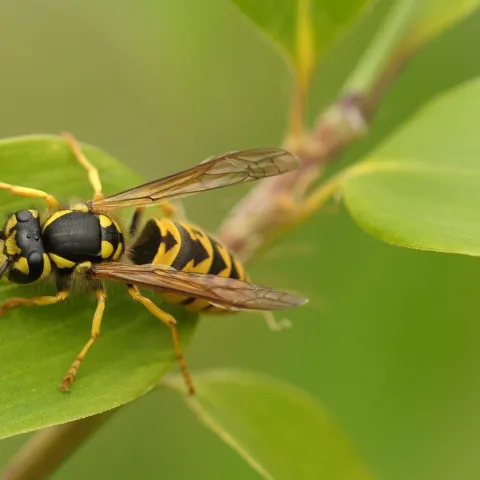
Yellowjackets are one-half to one inch long with jagged bright yellow and black stripes. Their narrow “waists” are barely visible. Unlike other common wasps, yellowjackets scavenge on food. They nest in holes in the ground, inside wall cavities, or in hanging nests totally enclosed in gray paper with a…
By Elinor Teague The best time to repot container plants is in early spring, just as new growth begins. Instructions on repotting are basically the same for houseplants and for outdoor potted plants.Because the soil in container pot subsides or settles over time, many people mistakenly add more soil on…
What is the State of Food Systems in California?California's food systems are a complex network of agriculture, distribution, and consumption that plays a crucial role in feeding not just the state but the entire nation. As a leading agricultural producer, California grows nearly half of the country’s fruits…
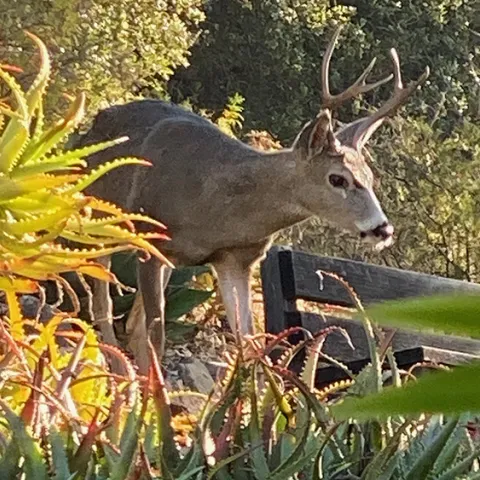
Two most common are mule deer and black-tailed deer. Both eat shrubs, vines, fruit and nut trees, garden vegetables, grasses, and small flowering plants. Deer dislike some plants, especially when other more palatable plants are available.Signs/SymptomsHoof prints two to three inches long, split in the middle…
Two most common are mule deer and black-tailed deer. Both eat shrubs, vines, fruit and nut trees, garden vegetables, grasses, and small flowering plants. Deer dislike some plants, especially when other more palatable plants are available.Signs/SymptomsHoof prints two to three inches long, split in the middle…
Small burrowing rodents that feed on roots of plants. A single gopher can inflict considerable damage in a short time. They live up to three years and eat a wide variety of vegetation, usually what they encounter while digging. Sometimes feed above ground, venturing only a body length or so from their…
Small burrowing rodents that feed on roots of plants. A single gopher can inflict considerable damage in a short time. They live up to three years and eat a wide variety of vegetation, usually what they encounter while digging. Sometimes feed above ground, venturing only a body length or so from their…
Raccoons are smart, dexterous mammals that can become very aggressive when cornered. When searching for den or food, they can be extremely destructive to homes and gardens. Raccoons communicate using a variety of sounds including purring, growling, hissing, and whistling. They eat plants and animals,…
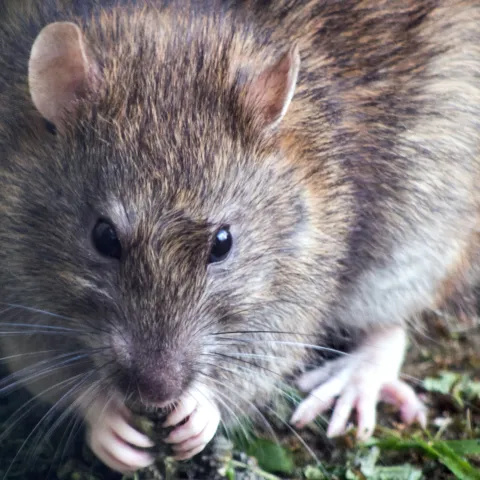
Rats are among the most common pests in Marin homes and gardens. Norway rats (Rattus norvegicus) also known as brown, sewer, or wharf rats, are mostly nocturnal. They constantly explore and learn about their environment, memorizing pathways, obstacles, and locations of food and water. Roof rats (Rattus…
Triangular-shaped head, short legs and long, sharp, non-retractable claws. Spray can be squirted accurately as far as six to 10 feet away as a defense mechanism. Live in burrows. Eat a varied diet. Excellent sense of smell and good hearing, but very poor vision. Healthy skunks are mild-tempered. They prefer…