A Natural Solution for California's Herds: African Catfish Peptides

California's cattle producers and agricultural communities are all too familiar with the rising challenge of antibiotic resistance, making common bacterial infections harder to treat in livestock. But imagine a future where we could tackle these infections with a natural, powerful alternative. Our research points to just that: antimicrobial peptides (AMPs) found in African catfish.

We're really excited about these peptides because African catfish thrive in pathogen-rich freshwater, naturally producing these robust immune compounds in their skin mucus as a defense. This natural origin makes them highly appealing alternatives to synthetic drugs.

Predicted Safety and Potent Action

One of the most compelling aspects of these AMPs is their predicted safety for mammals. Our initial computer analyses suggest that various catfish AMPs are generally recognized as safe (GRAS). We predict they'll be absorbed in the human intestine without causing liver, brain, or heart toxicity. Furthermore, lab tests on a promising peptide, NACAP-II, confirmed it was non-hemolytic, meaning it didn't damage rabbit red blood cells—a strong indicator of its potential safety for mammalian cells.

Beyond safety, these peptides demonstrate effectiveness against problematic bacteria. One study revealed NACAP-II's strong activity against Extended-Spectrum Beta-Lactamase (ESBL)-producing Escherichia coli—a critical concern for both animal and human health due to its resistance to many common antibiotics. Another peptide, ACAP-IV, also showed antibacterial activity against E. coli and Staphylococcus aureus. We believe these AMPs work by directly disrupting bacterial cell membranes, a mechanism that makes it harder for bacteria to develop resistance compared to how they resist traditional antibiotics.
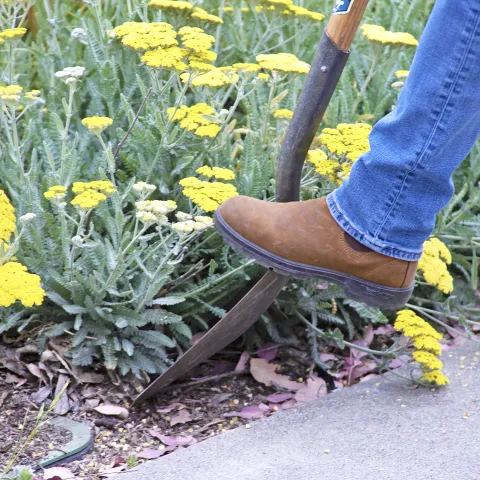
Boot on shovel in patch of yellow Yarrow flowers
Site

Program Areas and Program Teams

UC ANR's New Programmatic StructureAs of July 1, 2025, UC ANR has an updated programmatic structure that sunsets the Strategic Initiatives. UC ANR's research and extension efforts are now oriented around six thematic Program Areas that serve as unifying structures that bring together similar focus areas to…
View Site
Fair 2025
Site

4-H in San Mateo & San Francisco Counties

The University of California 4-H Youth Development Program serves youth and teens in 57 of 58 California counties through traditional clubs, after-school programs, state-wide leadership conferences and camps. As the largest, non-profit youth organization in the country, 4-H has a proven history of making…
View Site
Site

Hemp Research and Extension Network

Welcome to the Hemp Research and Extension Network! This network is a partnership between hemp growers, consultants, UC researchers, and Cooperative Extension personnel to collaboratively develop, demonstrate and evaluate ecologically-based integrated pest management practices for hemp.
View Site
Site

Invasive Spotted Lanternfly

The spotted lanternfly is an invasive insect that is currently in the mid-Atlantic United States and has the potential to invade California and have a profound impact on our agriculture and our landscapes.
View Site
Site

Community Economic Development

Community economic development (CED) is a process that aims to improve the economic well-being and quality of life for people in a particular community or region.
View Site
Banner_b
Site

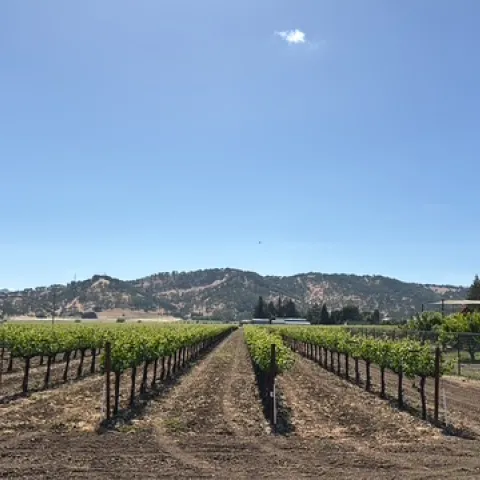
UCCE North Coast Viticulture

The Chen lab operates through University of California Agricultural and Natural Resources to investigate drought tolerance of grapevines and water use efficiency in vineyards of northern California.
View Site
Site

Black Fig Fly - Wilson Lab @ UC Riverside

Black Fig Fly (Diptera: Lonchaeidae: Silba adipata)Invasive Fig Pest Recently Discovered in Southern California Has Now Spread to the Central Coast, Bay Area and Central Valley RegionsClick Here to Download the "Pest Alert" PDF (last updated October 2025) Overview: Fig growers need to be aware of the…
View Site
UCCE Master Gardeners of Stanislaus County: Event

Plant Propagation - Turlock Community Garden

Event Date
Jul 11, 2026

Turn one plant into many! Learn simple ways to take cuttings, divide plants, and propagate your favorites to grow and share.
UCCE Master Gardeners of Stanislaus County
View Event
UCCE Master Gardeners of Stanislaus County: Event

Plant Propagation - Waterford Library

Event Date
Jul 28, 2026

Turn one plant into many! Learn simple ways to take cuttings, divide plants, and propagate your favorites to grow and share.
UCCE Master Gardeners of Stanislaus County
View Event
UCCE Master Gardeners of Stanislaus County: Event

Plant Propagation - Turlock Library

Event Date
Jul 22, 2026

Turn one plant into many! Learn simple ways to take cuttings, divide plants, and propagate your favorites to grow and share.
UCCE Master Gardeners of Stanislaus County
View Event
Primary Image
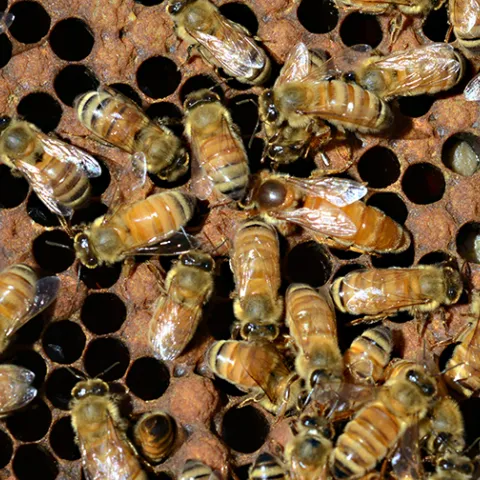
Queen bee and worker bees in a hive.

An International Conference on Pollinator Biology, Health and Policy

June 2, 2026
By Kathy Keatley Garvey
 Interested in pollinator biology, health and policy? We all should "bee."Professor Michelle Flenniken of Montana State University (MSU), is chairing an International Conference on Pollinator Biology, Health, and Policy 2026 that is set June 25-27 in the Strand Student Union Building, Bozeman. …
View Article
UCCE Master Gardeners of Stanislaus County: Event

Plant Propagation - Denair Library

Event Date
Jul 21, 2026

Turn one plant into many! Learn simple ways to take cuttings, divide plants, and propagate your favorites to grow and share.
UCCE Master Gardeners of Stanislaus County
View Event
UCCE Master Gardeners of Stanislaus County: Event

Plant Propagation - Hughson Library

Event Date
Jul 18, 2026

Turn one plant into many! Learn simple ways to take cuttings, divide plants, and propagate your favorites to grow and share.
UCCE Master Gardeners of Stanislaus County
View Event
Primary Image
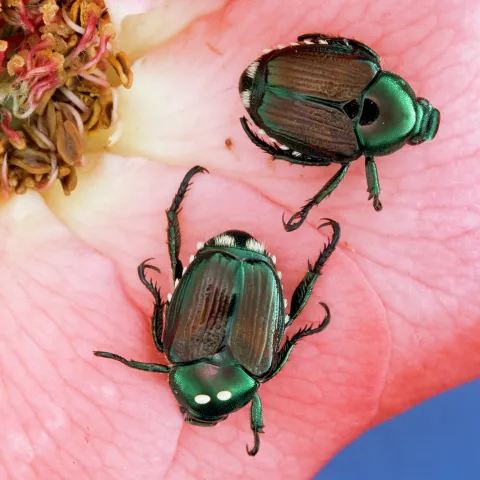
Adult japanese beetles, one with two macrotype parasite eggs of Hyperecteina aldrichi (Tachinidae) on its thorax

Protect California from Invasive Species

June 2, 2026
By Yulie Velez
Help raise awareness of invasive species by participating in the California Invasive Species Action Week (CISAW) held June 6-14, 2026! Invasive species are non-native pests that can negatively impact our waters, native ecosystems, agriculture, health, and economy. Each day during the week, UC IPM will…
View Article
UCCE Master Gardeners of Stanislaus County: Event

Plant Propagation - Empire Library

Event Date
Jul 18, 2026

Turn one plant into many! Learn simple ways to take cuttings, divide plants, and propagate your favorites to grow and share.
UCCE Master Gardeners of Stanislaus County
View Event