A Natural Solution for California's Herds: African Catfish Peptides

California's cattle producers and agricultural communities are all too familiar with the rising challenge of antibiotic resistance, making common bacterial infections harder to treat in livestock. But imagine a future where we could tackle these infections with a natural, powerful alternative. Our research points to just that: antimicrobial peptides (AMPs) found in African catfish.

We're really excited about these peptides because African catfish thrive in pathogen-rich freshwater, naturally producing these robust immune compounds in their skin mucus as a defense. This natural origin makes them highly appealing alternatives to synthetic drugs.

Predicted Safety and Potent Action

One of the most compelling aspects of these AMPs is their predicted safety for mammals. Our initial computer analyses suggest that various catfish AMPs are generally recognized as safe (GRAS). We predict they'll be absorbed in the human intestine without causing liver, brain, or heart toxicity. Furthermore, lab tests on a promising peptide, NACAP-II, confirmed it was non-hemolytic, meaning it didn't damage rabbit red blood cells—a strong indicator of its potential safety for mammalian cells.

Beyond safety, these peptides demonstrate effectiveness against problematic bacteria. One study revealed NACAP-II's strong activity against Extended-Spectrum Beta-Lactamase (ESBL)-producing Escherichia coli—a critical concern for both animal and human health due to its resistance to many common antibiotics. Another peptide, ACAP-IV, also showed antibacterial activity against E. coli and Staphylococcus aureus. We believe these AMPs work by directly disrupting bacterial cell membranes, a mechanism that makes it harder for bacteria to develop resistance compared to how they resist traditional antibiotics.
UCCE Central Sierra: Page

Financial Reporting

Annual financial reporting forms will be prepared by the treasurer of the 4-H Club and forwarded to the Regional Program Coordinator at the close of the statewide 4-H YDP year (July 1-June 30) and submitted to the UCCE county office no later than September 1.
View Page
UCCE Central Sierra: Page

Annual Inventory Report

Create a list of all the goods your 4-H club received or purchased to keep for the club. (e.g., a gift, a calculator, a scale). The list should show: Date acquired The name of the item and description Dollar value (e.g.
View Page
UCCE Central Sierra: Page

Annual Financial Report

The annual report sums up what the club did for the year. (See Form 6.3 Annual Financial Report on page 37 of the UC 4-H Treasurer's Manual). Before you write it up, though, check over your work.
View Page
UCCE Central Sierra: Page

NAVO Resources

Here are resources that will be covered in the orientation: UC 4-H Volunteer Educators Guide UMaine Working Agreements Life Skills Wheel Thriving Flower 4-H Project Leader Checklist 4-H Annual Project Plan Template 4-H Safety Manual UCANR Clover Safe Notes UCANR Incident Report Additional Links: Saf...
View Page
UCCE Central Sierra: Page

Calculating Forage Loss

These resources will help you figure out your forage loss. Annual Rangeland Forage Loss webpage - publications and worksheets to help with calculating forage loss.
View Page
Primary Image
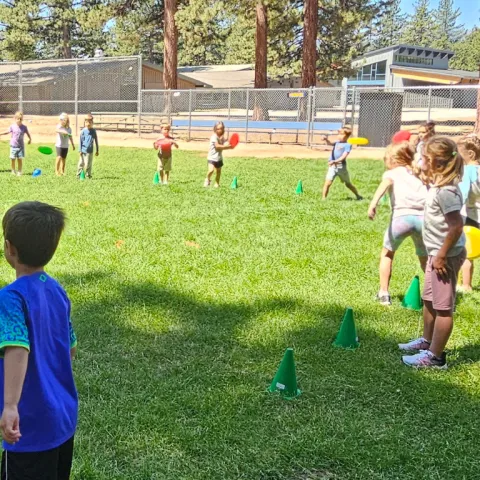
Children playing a frisbee game.
UCCE Central Sierra: Page

Central Sierra: Community Nutrition and Health

The CalFresh Healthy Living, UCCE program in the Central Sierra operates in four counties, El Dorado, Amador, Calaveras and Tuolumne. Our nutrition education team works out of offices in Placerville, South Lake Tahoe, Sutter Creek, San Andreas, and Sonora.
View Page
UCCE Central Sierra: Page

Common Pokeweed

By Scott Oneto, Farm Advisor, University of California Cooperative Extension This time of year, I often get asked, what is that huge weed growing in my yard with dark black berries and big green leaves.
View Page