A Natural Solution for California's Herds: African Catfish Peptides

California's cattle producers and agricultural communities are all too familiar with the rising challenge of antibiotic resistance, making common bacterial infections harder to treat in livestock. But imagine a future where we could tackle these infections with a natural, powerful alternative. Our research points to just that: antimicrobial peptides (AMPs) found in African catfish.

We're really excited about these peptides because African catfish thrive in pathogen-rich freshwater, naturally producing these robust immune compounds in their skin mucus as a defense. This natural origin makes them highly appealing alternatives to synthetic drugs.

Predicted Safety and Potent Action

One of the most compelling aspects of these AMPs is their predicted safety for mammals. Our initial computer analyses suggest that various catfish AMPs are generally recognized as safe (GRAS). We predict they'll be absorbed in the human intestine without causing liver, brain, or heart toxicity. Furthermore, lab tests on a promising peptide, NACAP-II, confirmed it was non-hemolytic, meaning it didn't damage rabbit red blood cells—a strong indicator of its potential safety for mammalian cells.

Beyond safety, these peptides demonstrate effectiveness against problematic bacteria. One study revealed NACAP-II's strong activity against Extended-Spectrum Beta-Lactamase (ESBL)-producing Escherichia coli—a critical concern for both animal and human health due to its resistance to many common antibiotics. Another peptide, ACAP-IV, also showed antibacterial activity against E. coli and Staphylococcus aureus. We believe these AMPs work by directly disrupting bacterial cell membranes, a mechanism that makes it harder for bacteria to develop resistance compared to how they resist traditional antibiotics.
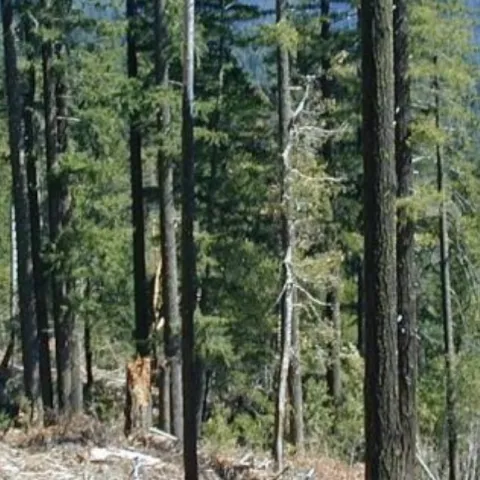
UCCE Humboldt - Del Norte Counties: Page

Agenda and Presentations Given at FFII

Future Forests II: Maintaining Healthy and Productive Working Forests on the North Coast February 11-12, 2009 Art Building, Ferndale Fairgrounds AGENDA *Note: Click name of hyperlinked presentation to view the PDF of their presentation.
View Page
UCCE Humboldt - Del Norte Counties: Page

Future Forests II

Conference Background: On February 11th -12th 2009 Future Forests II (FFII) conference addressed the challenges currently facing the wood products industry and the worked to identify opportunities to assist in sustaining forestlands, essential infrastructure and open space.
View Page
UCCE Humboldt - Del Norte Counties: Page

Forestry Publications

The Forest Stewardship Series has been developed to provide owners of California forestland with a comprehensive source of information pertinent to the management and enjoyment of their lands.
View Page
UCCE Humboldt - Del Norte Counties: Page

Sudden Oak Death

UC Cooperative Extension-Humboldt/Del Norte provides general information about sudden oak death (SOD) caused by the pathogen Phytophthora ramorum. This page answers what sudden oak death is and provides information regarding disease locations and monitoring, FAQs, Guides and BMP's and Past SOD meetings.
View Page
UCCE Humboldt - Del Norte Counties: Page

Sudden Oak Death FAQs

Frequently asked questions regarding sudden oak death including: What is sudden oak death or SOD? What plants are host to Phytophthora ramorum? What are the symptoms of Phytophthora ramorum? Who do I contact to learn more about regulations? Who do I contact if I suspect sudden oak death on or near my home or…
View Page
UCCE Humboldt - Del Norte Counties: Page

Livestock in Humboldt/Del Norte

Connect with Humboldt/Del Norte Livestock Advisor Jeff Stackhouse for information and support for local livestock and rangeland producers. Find resources on livestock, prescribed fire, drought, weeds, rangeland ecology, riparian, marketing, and more.
View Page
UCCE Humboldt - Del Norte Counties: Page

Aleutian Geese

Research is being conducted on the effects of Aleutian Geese on local pastures. This program is funded by a grant from Western Sustainable Agriculture Research Education (WSARE) in conjunction with the Humboldt State University Rangeland Resources Department and three local ranchers.
View Page
UCCE Humboldt - Del Norte Counties: Page

Invasive Plant Species

Invasive plants are one of the greatest threats to croplands, rangelands, aquatic areas, and wildlands in the United States; they degrade the productivity and biological diversity of all ecosystems. Below are the sixteen most harmful weeds in Humboldt County.
View Page
UCCE Humboldt - Del Norte Counties: Page

Livestock Management

Where to go for education and research regarding the proper care and handling of livestock.
View Page