A Natural Solution for California's Herds: African Catfish Peptides

California's cattle producers and agricultural communities are all too familiar with the rising challenge of antibiotic resistance, making common bacterial infections harder to treat in livestock. But imagine a future where we could tackle these infections with a natural, powerful alternative. Our research points to just that: antimicrobial peptides (AMPs) found in African catfish.

We're really excited about these peptides because African catfish thrive in pathogen-rich freshwater, naturally producing these robust immune compounds in their skin mucus as a defense. This natural origin makes them highly appealing alternatives to synthetic drugs.

Predicted Safety and Potent Action

One of the most compelling aspects of these AMPs is their predicted safety for mammals. Our initial computer analyses suggest that various catfish AMPs are generally recognized as safe (GRAS). We predict they'll be absorbed in the human intestine without causing liver, brain, or heart toxicity. Furthermore, lab tests on a promising peptide, NACAP-II, confirmed it was non-hemolytic, meaning it didn't damage rabbit red blood cells—a strong indicator of its potential safety for mammalian cells.

Beyond safety, these peptides demonstrate effectiveness against problematic bacteria. One study revealed NACAP-II's strong activity against Extended-Spectrum Beta-Lactamase (ESBL)-producing Escherichia coli—a critical concern for both animal and human health due to its resistance to many common antibiotics. Another peptide, ACAP-IV, also showed antibacterial activity against E. coli and Staphylococcus aureus. We believe these AMPs work by directly disrupting bacterial cell membranes, a mechanism that makes it harder for bacteria to develop resistance compared to how they resist traditional antibiotics.
Master Food Preservers of San Mateo & San Francisco Counties: Event

Let’s Get Spicy: Salsa Making Workshop

Event Date
Aug 13, 2026

Master the "Laws of Salsa" with the Master Food Preservers of San Mateo and San Francisco Counties. In this delicious, hands-on workshop, you’ll learn how to balance flavors while following essential safety guidelines for home preservation.What you’ll do:Craft Your Signature Salsa: Dive into the world of…
Master Food Preservers of San Mateo & San Francisco Counties
View Event
Master Food Preservers of San Mateo & San Francisco Counties: Event

MFP at San Mateo County Fair

Event Date
Jun 6, 2026 - Jun 13, 2026

Come to the San Mateo County Fair and visit the UC Master Food Preservers in the Culinary Arts area in the Expo Hall. Find our table, talk us and try to win a prize! We will have be on hand everyday 11am-5pm with lots of great information, recipes, activities and more!  
Master Food Preservers of San Mateo & San Francisco Counties
View Event
Event Primary Image
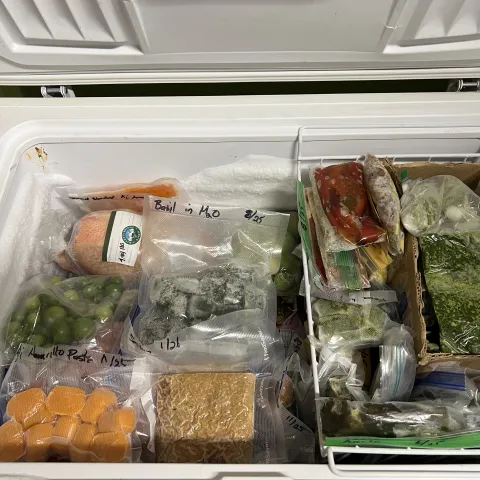
Chest freezer full of frozen bagged veggies
UC Master Food Preserver: Event

Home Freezing Basics: Safe and Smart Ways to Preserve Everyday Foods (Online Delivery Program)

Event Date
Mar 24, 2026

This free online class, taught by the UC Master Food Preservers Online Delivery Program, focuses on research-based freezing methods that protect food quality and safety.You’ll learn how freezing works, why it preserves food, and how to freeze and thaw foods properly to prevent foodborne illness and quality…
UC Master Food Preserver
View Event
Event Primary Image
Sassy, our donkey is turning 25
Elkus Ranch Environmental Education Center: Event

Sassy’s 25th Birthday Party

Event Date
Jul 11, 2026

Come celebrate Sassy the Donkey turning 25—a quarter century of sass, brays, and barnyard charm! Join us for a fun-filled day with treats, laughs, and plenty of birthday love for everyone’s favorite long-eared guest of honor. Bring your smiles and help us make Sassy’s big day extra special! 
Elkus Ranch Environmental Education Center
View Event
Primary Image
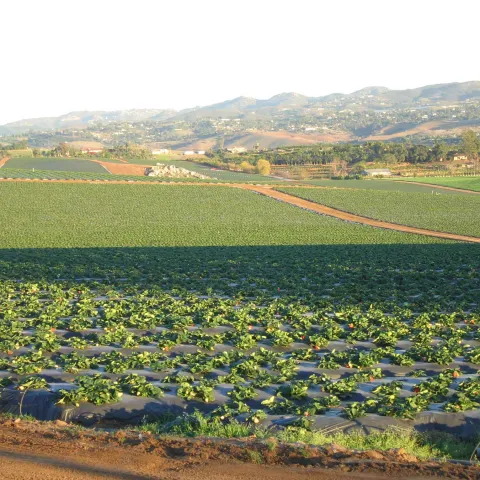
Farm landscape in San Diego County
San Diego County Climate Smart Agriculture: Article

SWEEP and HSP: New Changes for Farmers and Ranchers

March 9, 2026
By Michael Jaquez
Overview of SWEEP and HSP:The State Water Efficiency and Enhancement Program provides funding to implement on-farm projects to existing irrigation systems, that reduce water use and reduce greenhouse gas (GHGs) emissions. Common project components include pump replacement or retrofit, installing variable…
View Article
UC Master Food Preserver: Article

What is Dehydrating for Food Preservation? (March 2026)

March 9, 2026
Tim Long, UC Master Food Preserver Online Program Volunteer    Dehydration preserves food by removing 80–95% of its moisture, which inhibits the growth of bacteria, yeasts, and molds that require water to grow. It is one of the oldest preservation methods, dating back to 12,000 BCE.  This…
View Article
UC Master Food Preserver: Article

Preserved Lemons: A Powerhouse Ingredient in the Kitchen (March 2026)

March 9, 2026
Kirsten Hansen, UC Master Food Preserver Online Delivery Program Volunteer  The Master Food Preserve Online Delivery Program volunteers loved making preserved lemons this winter! Our Citrus 1: Citrus Without Canning class and Garden to Glass: Winter Mocktails classes featured two different…
View Article
UC Master Food Preserver: Article

A Brief History of the Canning Jar (March 2026)

March 9, 2026
Monica Gross, UC Master Food Preserver Online Program Volunteer  For most of human history, feeding a family involved navigating times when food was plentiful, such as at harvest time, and periods when it was scarce. Before methods of food preservation were developed, food insecurity was a…
View Article