A Natural Solution for California's Herds: African Catfish Peptides

California's cattle producers and agricultural communities are all too familiar with the rising challenge of antibiotic resistance, making common bacterial infections harder to treat in livestock. But imagine a future where we could tackle these infections with a natural, powerful alternative. Our research points to just that: antimicrobial peptides (AMPs) found in African catfish.

We're really excited about these peptides because African catfish thrive in pathogen-rich freshwater, naturally producing these robust immune compounds in their skin mucus as a defense. This natural origin makes them highly appealing alternatives to synthetic drugs.

Predicted Safety and Potent Action

One of the most compelling aspects of these AMPs is their predicted safety for mammals. Our initial computer analyses suggest that various catfish AMPs are generally recognized as safe (GRAS). We predict they'll be absorbed in the human intestine without causing liver, brain, or heart toxicity. Furthermore, lab tests on a promising peptide, NACAP-II, confirmed it was non-hemolytic, meaning it didn't damage rabbit red blood cells—a strong indicator of its potential safety for mammalian cells.

Beyond safety, these peptides demonstrate effectiveness against problematic bacteria. One study revealed NACAP-II's strong activity against Extended-Spectrum Beta-Lactamase (ESBL)-producing Escherichia coli—a critical concern for both animal and human health due to its resistance to many common antibiotics. Another peptide, ACAP-IV, also showed antibacterial activity against E. coli and Staphylococcus aureus. We believe these AMPs work by directly disrupting bacterial cell membranes, a mechanism that makes it harder for bacteria to develop resistance compared to how they resist traditional antibiotics.
Primary Image
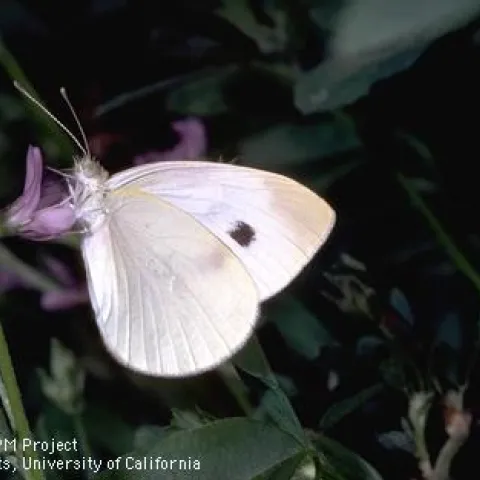
A white butterfly with a black spot on its wing feeding on a purple flower.
Pests in the Urban Landscape: Article

Check for Cabbageworms!

October 16, 2024
By Lauren Fordyce
If you recently planted cabbage, broccoli, or kale, (often called Brassicas and cole crops) keep an eye out for cabbageworms! The adult cabbageworm is a white butterfly with one to four black spots on its wings. They lay eggs individually on the leaves of brassica plants.
View Article
Primary Image
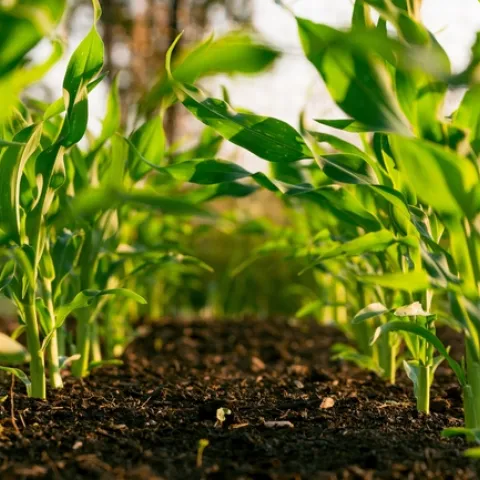
Photo: Steven Weeks. The photo depicts a field of corn at early stage with rich soil between the rows.
UC ANR Climate Corner: Article

Food Waste and Climate Resilience

October 16, 2024
By Jill Santos
Tackling Food Waste for Climate Resilience Reducing food waste is a critical strategy for addressing food insecurity, mitigating climate change, and enhancing economic productivity.
View Article
Primary Image
Symnposium logo
Alfalfa & Forage News: Article

2024 CA Alfalfa and Forage Symposium - Registration Now Open

October 16, 2024
By Michelle M Leinfelder-Miles
Join us for the 2024 California Alfalfa and Forage Symposium from December 10-12, 2024 at the Nugget Casino Resort in Spark, NV. The Symposium is jointly organized by UC Cooperative Extension and the California Alfalfa and Forage Association.
View Article
Primary Image
Faint rainbow. photo by Jennifer Baumbach
The Savvy Sage: Article

Fall Haiku

October 16, 2024
By Jennifer M Baumbach
Whispers on the wind, Fall rain kisses thirsty earth, Peace in each cool drop.
View Article
Primary Image
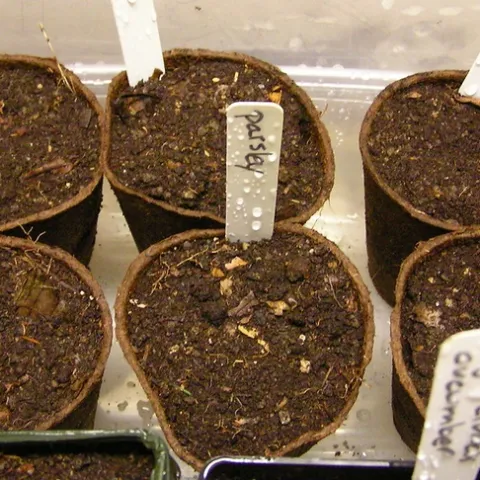
seed starting by normanack is licensed under CC BY 2.0.
Under the Solano Sun: Article

Fall Miku

October 16, 2024
Fall means Less daylight Plant yields and cleanup begins Visions of seed starting...
View Article
Primary Image
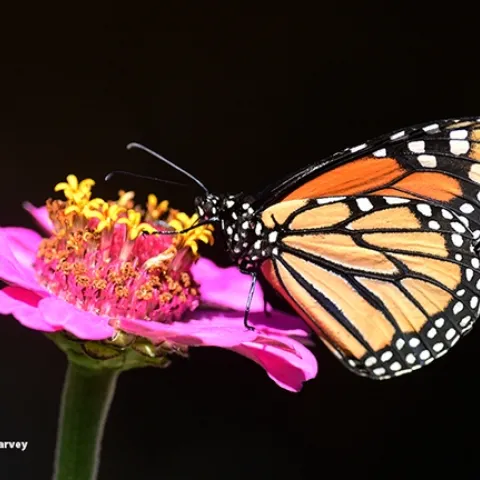
A migratory monarch butterfly nectaring on a pink zinnia in a Vacaville garden. (Photo by Kathy Keatley Garvey)
Bug Squad: Article

Zinnia Nectar: Flight Fuel for the Migratory Monarchs

October 15, 2024
By Kathy Keatley Garvey
Zinnias are a great nectar source for migratory monarch butterflies as they wing their way to their overwintering spots along coastal California. How much do monarchs love zinnias? So much that sometimes a monarch will touch down on a zinnia right next to you.
View Article
Primary Image
various tables conversations
Together@Work: Article

NOMINATIONS DUE: DEI Advisory Council

October 15, 2024
By Elizabeth A Moon
Call for Nominations: UC ANR DEI Advisory Council The UC ANR Diversity, Equity, and Inclusion (DEI) Advisory Council is accepting nominations to fill open positions and invites passionate colleagues to join us in advancing DEI efforts across UC ANR.
View Article