A Natural Solution for California's Herds: African Catfish Peptides

California's cattle producers and agricultural communities are all too familiar with the rising challenge of antibiotic resistance, making common bacterial infections harder to treat in livestock. But imagine a future where we could tackle these infections with a natural, powerful alternative. Our research points to just that: antimicrobial peptides (AMPs) found in African catfish.

We're really excited about these peptides because African catfish thrive in pathogen-rich freshwater, naturally producing these robust immune compounds in their skin mucus as a defense. This natural origin makes them highly appealing alternatives to synthetic drugs.

Predicted Safety and Potent Action

One of the most compelling aspects of these AMPs is their predicted safety for mammals. Our initial computer analyses suggest that various catfish AMPs are generally recognized as safe (GRAS). We predict they'll be absorbed in the human intestine without causing liver, brain, or heart toxicity. Furthermore, lab tests on a promising peptide, NACAP-II, confirmed it was non-hemolytic, meaning it didn't damage rabbit red blood cells—a strong indicator of its potential safety for mammalian cells.

Beyond safety, these peptides demonstrate effectiveness against problematic bacteria. One study revealed NACAP-II's strong activity against Extended-Spectrum Beta-Lactamase (ESBL)-producing Escherichia coli—a critical concern for both animal and human health due to its resistance to many common antibiotics. Another peptide, ACAP-IV, also showed antibacterial activity against E. coli and Staphylococcus aureus. We believe these AMPs work by directly disrupting bacterial cell membranes, a mechanism that makes it harder for bacteria to develop resistance compared to how they resist traditional antibiotics.

Primary Image
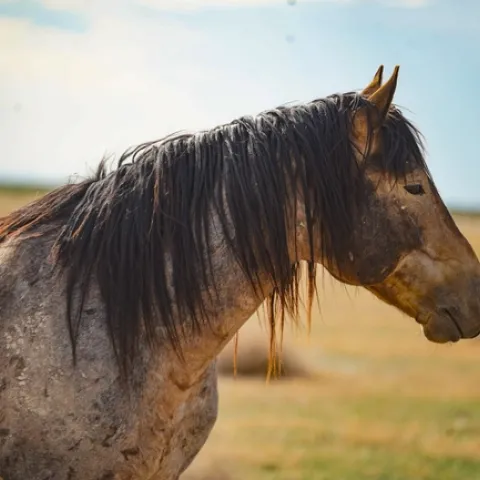
Side view of a mustang from the withers to the nose.
Healthy Communities Blog: Article

Youth invited to Mustang Camp in Lassen County June 28-29

June 7, 2024
By Pamela S Kan-Rice
UC Cooperative Extension in Modoc County is partnering with Utah State University to offer a mustang camp for California youth ages 9 to 19. The 4-H Mustang Camp, sponsored by the U.S. Bureau of Land Management, will be held on June 28-29.
View Article
Primary Image
Red, yellow, orange, green and white pumpkins of all shapes and sizes set on hay bales.
The Stanislaus Sprout: Article

It's time to plant pumpkins!

June 7, 2024
By Anne E Schellman
It's not too late to plant pumpkins! If you plant them now, you'll have pumpkins ready in time for Halloween and Thanksgiving. It takes 95-110 days for a pumpkin to go from seed to fruit, depending on the variety. Although many gardeners plant pumpkin seeds in May, you can also plant them in June.
View Article
Primary Image
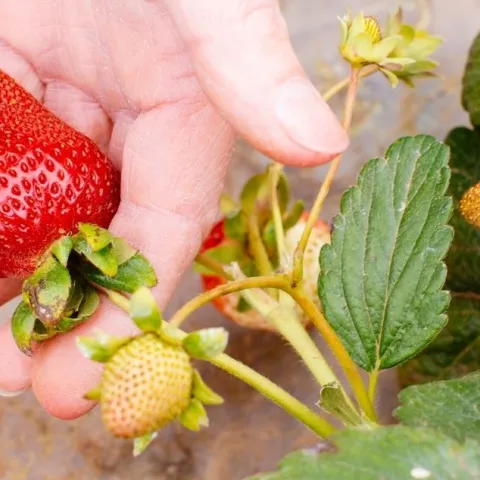
Hand holding a strawberry still attached to the plant
UC Master Gardener Program Statewide Blog: Article

June Garden Tips – Keeping Up with the Busy Garden

June 7, 2024
By Barbra Braaten
Summer has arrived, bringing with it busier days and rising temperatures. Managing irrigation is quickly becoming the most critical task in the garden as the heat increases.
View Article
Primary Image
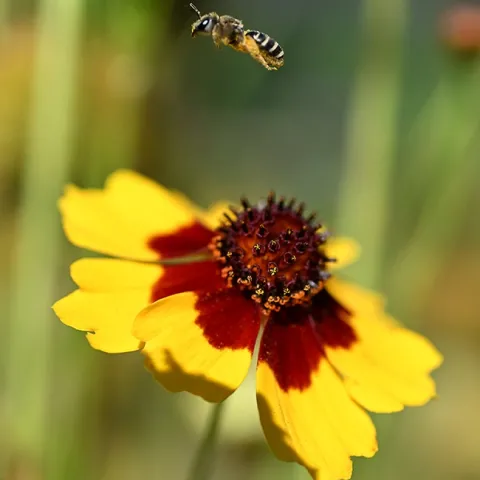
A sweat bee, genus Halictus, sailing over a Coreopsis in a Vacaville pollinator garden. June is National Pollinator Month. (Photo by Kathy Keatley Garvey)
Bug Squad: Article

It's Pollinator Month: No Sweat?

June 7, 2024
By Kathy Keatley Garvey
In the sweltering heat of Solano County (100 degrees) during National Pollinator Month, how about an image of a sweat bee, genus Halictus, a tiny bee that's often overlooked in the world of pollinators. It's a social bee that nests in the soil.
View Article
Primary Image
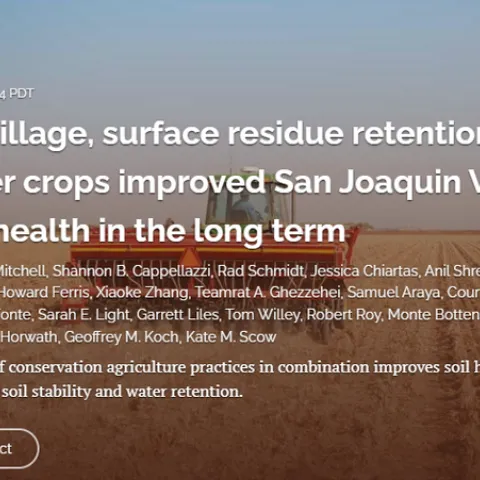
Screenshot 2024-06-07 090600 Cal Ag Screenshot Cal Ag
Conservation Agriculture: Article

CASI’s Mitchell announces long-term NRI Project publication in Cal Ag on Don York’s KMJ580 AM morning “Ag Report” radio program, May 23, June 4, and June 6, 2024

June 7, 2024
By Jeffrey P Mitchell
In an effort to extend information on CASI's twenty-year conservation agriculture study that has been conducted at the University field station in Five Points, CA and that has been recently published in the journal, California Agriculture, Jeff Mitchell provided three radio interviews on the morning...
View Article