A Natural Solution for California's Herds: African Catfish Peptides

California's cattle producers and agricultural communities are all too familiar with the rising challenge of antibiotic resistance, making common bacterial infections harder to treat in livestock. But imagine a future where we could tackle these infections with a natural, powerful alternative. Our research points to just that: antimicrobial peptides (AMPs) found in African catfish.

We're really excited about these peptides because African catfish thrive in pathogen-rich freshwater, naturally producing these robust immune compounds in their skin mucus as a defense. This natural origin makes them highly appealing alternatives to synthetic drugs.

Predicted Safety and Potent Action

One of the most compelling aspects of these AMPs is their predicted safety for mammals. Our initial computer analyses suggest that various catfish AMPs are generally recognized as safe (GRAS). We predict they'll be absorbed in the human intestine without causing liver, brain, or heart toxicity. Furthermore, lab tests on a promising peptide, NACAP-II, confirmed it was non-hemolytic, meaning it didn't damage rabbit red blood cells—a strong indicator of its potential safety for mammalian cells.

Beyond safety, these peptides demonstrate effectiveness against problematic bacteria. One study revealed NACAP-II's strong activity against Extended-Spectrum Beta-Lactamase (ESBL)-producing Escherichia coli—a critical concern for both animal and human health due to its resistance to many common antibiotics. Another peptide, ACAP-IV, also showed antibacterial activity against E. coli and Staphylococcus aureus. We believe these AMPs work by directly disrupting bacterial cell membranes, a mechanism that makes it harder for bacteria to develop resistance compared to how they resist traditional antibiotics.

Staff Assembly: Article

Thanks to our SAC alums

May 10, 2024
Our thanks to the many volunteers who have served on Staff Assembly Council over the years. Their contributions contributed (and continue to contribute!) in so many ways to better experiences for all staff across UC ANR. Visit the SAC Alumni page.
View Article
Primary Image
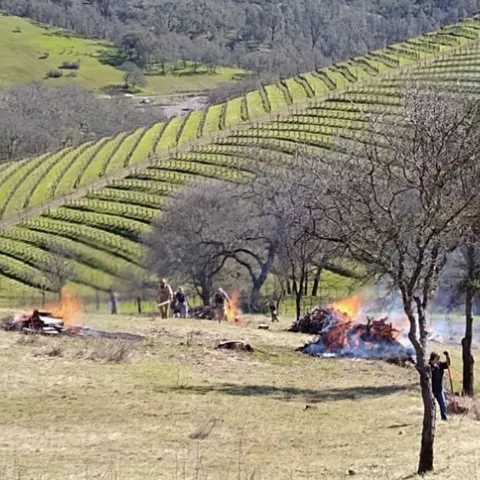
Three piles of brush flame at the edge of a sloping vineyard.
Green Blog: Article

Wildfire preparedness strategies for farms covered in UC ANR webinars

May 10, 2024
By Pamela S Kan-Rice
Late spring rains have delayed California's fire season this year, which provides farmers and ranchers an opportunity to improve their wildfire preparedness. Barns, wood fencing, hay and other property commonly found on farms have inherent vulnerabilities to wildfire.
View Article
Primary Image
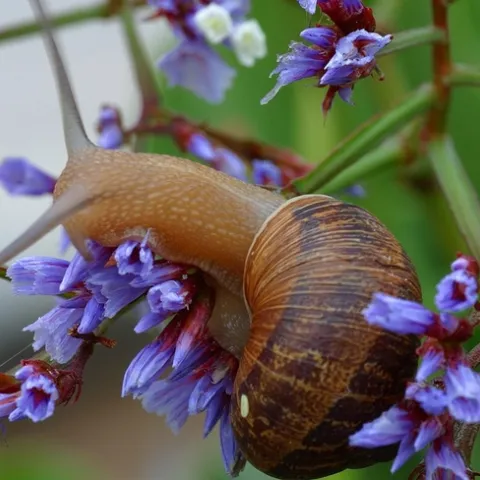
Trap snails and slugs beneath boards or flower pots. Collect frequently, smash and dispose. (Photo: Wikimedia Commons)
Fresno Gardening Green: Article

This week in the garden: May 10 - 16

May 10, 2024
The garden is in full bloom. Cut flowers and harvest produce frequently to encourage repeated production of flowers and veggies. Pull weeds and hoe often. Tasks Water and mow lawn. Set mower higher to shade out weeds and keep roots cool.
View Article
Kern County: Article

Green Scene May 2024

May 10, 2024
Next Horticultural Tour Master Gardener Program Transition to Battery-Powered Lawn Equipment in California Rose Rosette Disease...
View Article
Primary Image
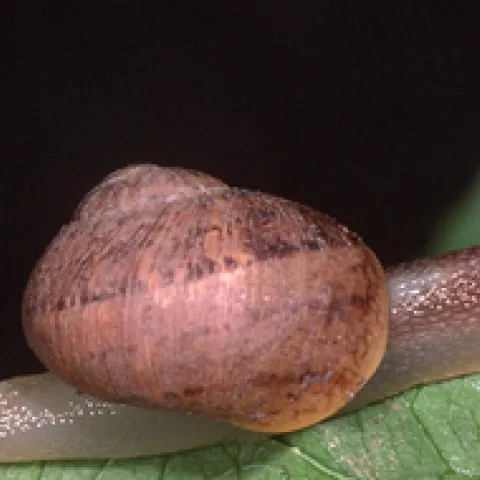
brown garden snail 1
Topics in Subtropics: Article

Brown Garden Snail Year!

May 10, 2024
By Ben A Faber
You see them here, you see them there, you see those brown garden snails everywhere in the avocado trees this year. A wet year. What do you expect? Lush, beautiful tree growth, yeah. And when you come to harvest the fruit, the leaves and fruit are covered with snails.
View Article
UC Master Gardener Program Statewide Blog: Article

Support Sustainable Gardening for UC ANR Giving Day, May 17

May 10, 2024
By Barbra Braaten
It's time to come together and support the UC Master Gardener Program's mission, so save the date! May 17-18, from noon to noon, is the UC Master Gardener Program statewide giving day, UC ANR Giving Day.
View Article
Primary Image
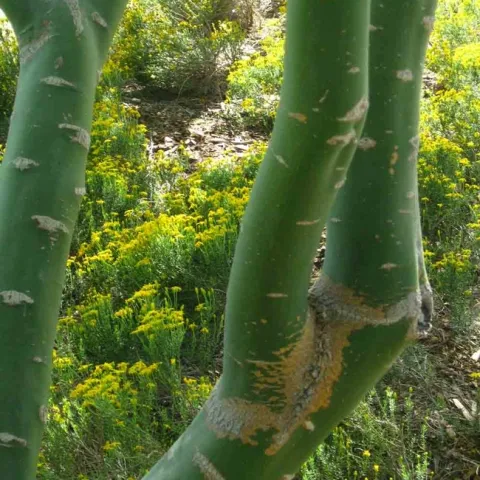
Photosynthesis occurs in both the leaves and bark of the blue palo verde. Elize Van Zandt
The Real Dirt: Article

How Plants Adapt to Their Environment

May 10, 2024
Next time you go for a walk in Upper Park, look closely at the different plants you see. Notice the enormous diversity of shapes, colors, and forms.
View Article