A Natural Solution for California's Herds: African Catfish Peptides

California's cattle producers and agricultural communities are all too familiar with the rising challenge of antibiotic resistance, making common bacterial infections harder to treat in livestock. But imagine a future where we could tackle these infections with a natural, powerful alternative. Our research points to just that: antimicrobial peptides (AMPs) found in African catfish.

We're really excited about these peptides because African catfish thrive in pathogen-rich freshwater, naturally producing these robust immune compounds in their skin mucus as a defense. This natural origin makes them highly appealing alternatives to synthetic drugs.

Predicted Safety and Potent Action

One of the most compelling aspects of these AMPs is their predicted safety for mammals. Our initial computer analyses suggest that various catfish AMPs are generally recognized as safe (GRAS). We predict they'll be absorbed in the human intestine without causing liver, brain, or heart toxicity. Furthermore, lab tests on a promising peptide, NACAP-II, confirmed it was non-hemolytic, meaning it didn't damage rabbit red blood cells—a strong indicator of its potential safety for mammalian cells.

Beyond safety, these peptides demonstrate effectiveness against problematic bacteria. One study revealed NACAP-II's strong activity against Extended-Spectrum Beta-Lactamase (ESBL)-producing Escherichia coli—a critical concern for both animal and human health due to its resistance to many common antibiotics. Another peptide, ACAP-IV, also showed antibacterial activity against E. coli and Staphylococcus aureus. We believe these AMPs work by directly disrupting bacterial cell membranes, a mechanism that makes it harder for bacteria to develop resistance compared to how they resist traditional antibiotics.
Primary Image
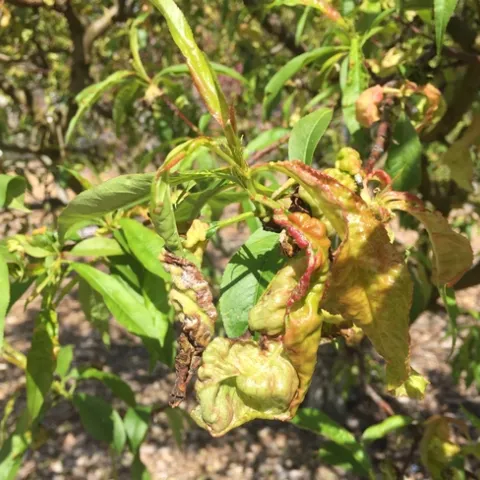
Several leaves on a branch are distorted and turning red while the others are green and healthy.
Pests in the Urban Landscape: Article

Peach Leaf Curl Control Period

March 13, 2024
By Lauren Fordyce
Spring is just around the corner and many types of fruit trees are starting to develop their leaves. If you are growing peaches or nectarines and are now seeing symptoms of peach leaf curl on new leaves, unfortunately it's too late to manage the disease.
View Article
Primary Image
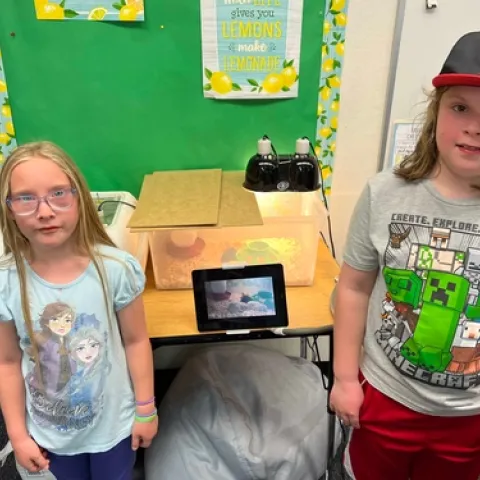
embryology in classroom
Thriving Forward: Article

Eggsploring Embryology as a 4-H Project

March 13, 2024
By Matthew R Rodriguez
For over 100 years, the 4-H program has been teaching young people about agricultural science through hands-on activities. 4-H activities are fun and youth love learning about animals, such as chickens.
View Article
Primary Image
image0
Thriving Forward: Article

Meet 4-H Nevada County Club President Ava

March 13, 2024
By Matthew R Rodriguez
Recently I [Matt] had a chance to interview 4-H youth member Ava who is also this year's 4-H club president for Meadowlarks in Nevada County. The following are Ava's responses to my questions.
View Article
Primary Image
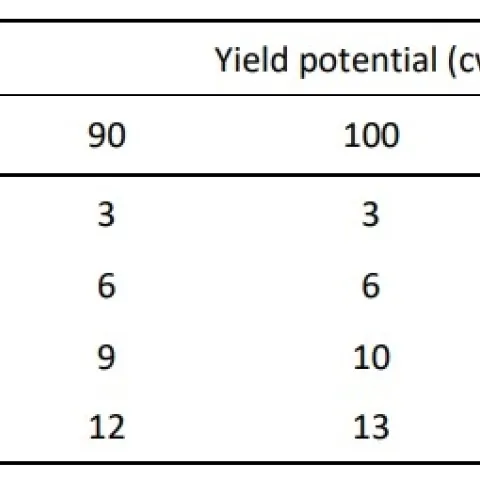
table showing severity ratings and the yield potential lost as severity increases
UC Rice Blog: Article

Evaluating Losses Caused by Stem Rot

March 13, 2024
By Consuelo B Baez Vega
Stem rot is a common disease of rice that can cause blanking and lodging. When the disease is severe, the presence and effects of the disease on yield can be obvious. However, at lower levels, the symptoms and effects of the disease may fly under the radar.
View Article
Primary Image
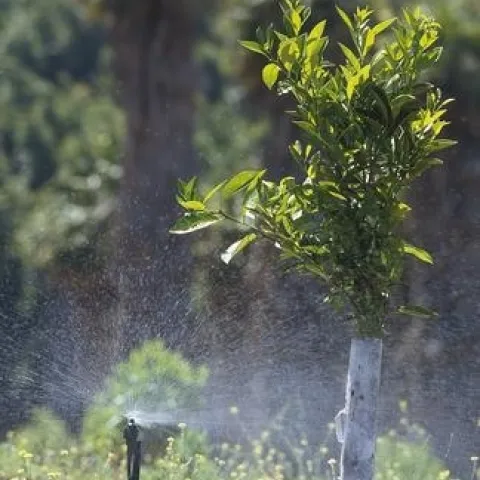
irrigATING CITRUS
Topics in Subtropics: Article

HOW to IRRIGATE in ONE text

March 13, 2024
By Ben A Faber
Microirrigation for Crop Production: Design, Operation, and Management, Second Edition is the latest release in this go-to foundational resource for the basics of engineering and the science of the design and operation of micoirrigation systems.
View Article
Article

Text scam impersonates ANR colleague

March 12, 2024
By Pamela S Kan-Rice
A text phishing (smishing) scam has been hitting ANR employees' phones. This scammer attempts to impersonate Greg Gibbs, ANR's Executive Director of Development Services. The texts originate from a 530 number and at first appear legitimate.
View Article
Primary Image
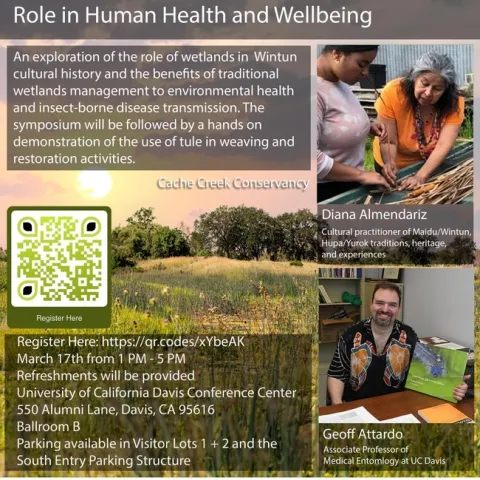
flyer
Bug Squad: Article

Still Time to Register for the Wetlands Symposium on Sunday, March 17

March 12, 2024
By Kathy Keatley Garvey
There's still time to register to attend the symposium, Tule and Cattail: A Tale of the Marsh Economy and Its Role in Human Health and Wellbeing, set for 1 to 5 p.m., Sunday, March 17 in Ballroom B of the UC Davis Conference Center, located at 550 Alumni Lane. The event is free and family friendly.
View Article