A Natural Solution for California's Herds: African Catfish Peptides

California's cattle producers and agricultural communities are all too familiar with the rising challenge of antibiotic resistance, making common bacterial infections harder to treat in livestock. But imagine a future where we could tackle these infections with a natural, powerful alternative. Our research points to just that: antimicrobial peptides (AMPs) found in African catfish.

We're really excited about these peptides because African catfish thrive in pathogen-rich freshwater, naturally producing these robust immune compounds in their skin mucus as a defense. This natural origin makes them highly appealing alternatives to synthetic drugs.

Predicted Safety and Potent Action

One of the most compelling aspects of these AMPs is their predicted safety for mammals. Our initial computer analyses suggest that various catfish AMPs are generally recognized as safe (GRAS). We predict they'll be absorbed in the human intestine without causing liver, brain, or heart toxicity. Furthermore, lab tests on a promising peptide, NACAP-II, confirmed it was non-hemolytic, meaning it didn't damage rabbit red blood cells—a strong indicator of its potential safety for mammalian cells.

Beyond safety, these peptides demonstrate effectiveness against problematic bacteria. One study revealed NACAP-II's strong activity against Extended-Spectrum Beta-Lactamase (ESBL)-producing Escherichia coli—a critical concern for both animal and human health due to its resistance to many common antibiotics. Another peptide, ACAP-IV, also showed antibacterial activity against E. coli and Staphylococcus aureus. We believe these AMPs work by directly disrupting bacterial cell membranes, a mechanism that makes it harder for bacteria to develop resistance compared to how they resist traditional antibiotics.
Primary Image
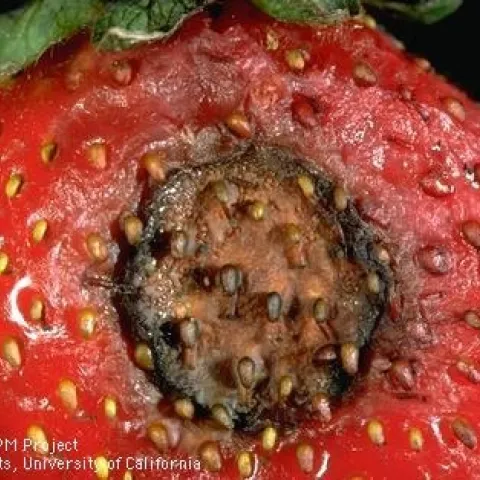
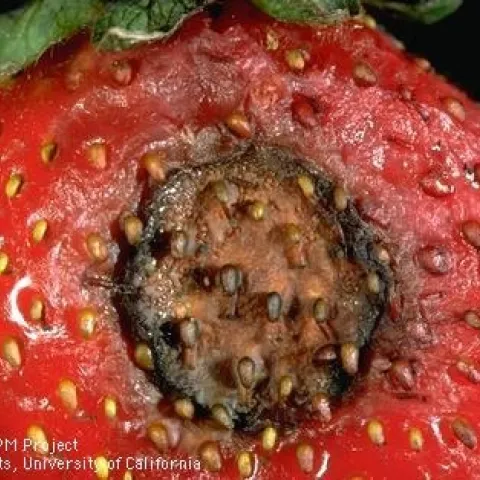
Classic symptom of anthracnose on strawberry fruit, brown to black sunken spot. Photo courtesy UC IPM.
Strawberries and Caneberries: Article

Anthracnose is Around Right Now – Caution Advised

February 26, 2024
By Mark P Bolda, Yu-Chen Wang
We had picture brought in by a grower on Friday of some fruit from his field showing clear signs of anthracnose. That is to say, dark, lens shaped lesions on the fruit.
View Article
Primary Image
Mancha de color negra a marrón, un poco hundida y dura. Foto por UC IPM.
Fresas y Moras: Article

Se avisa precaución- se ha encontrado antracnosis

February 26, 2024
By Mark P Bolda
Se nos entreg una foto por un productor en el vienes de la semana pasada de unas fresas de su campo que demostraron sntomas obvios de antracnosis. Quiere decir lesiones oscuras en forma de una lente por la superficie de la fruta.
View Article
Primary Image
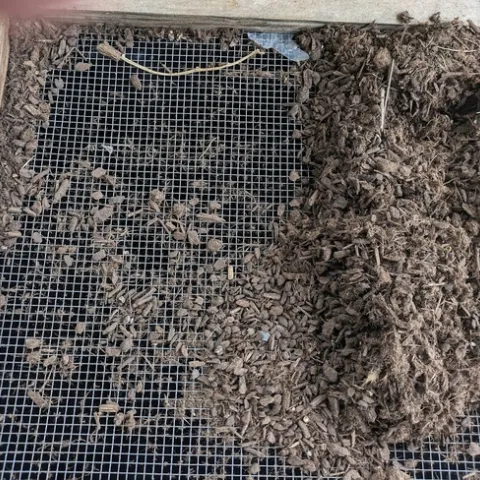
Sieving a mix, Tim Long.
The Stanislaus Sprout: Article

Starting Larger Seeds Indoors

February 26, 2024
By Anne E Schellman
We are getting close to the typical average last frost date at March 3rd. So now is the time to start some cucumber, squash or melon seeds indoors. First, you need some seed starting mix. You can use ready-made mixes, or you can make your own by using potting soil mix you have on hand.
View Article
Santa Cruz County: Article

4-H Contest for PI Day - Enter details attached

February 26, 2024
Dear 4-H families, We are excited to have teamed up with Santa Cruz Children's Museum of Discovery by hosting a PI Day Pie Baking contest with a special division for 4-H youth! A special thank you to Jamie (club leader) of Soquel 4-H club for arranging this event with Santa Cruz children's museum.
View Article
Primary Image
Dorina Espinoza
ANR Employee News: Article

In memoriam: Dorina M. Espinoza

February 26, 2024
By Pamela S Kan-Rice
With tremendous sadness, we mark the passing and remember the impact of our friend, colleague and mentor, Dorina Espinoza, who passed away Oct. 10 after a brief illness.
View Article
Primary Image
Helen Cope Underhill
ANR Employee News: Article

In memoriam: Helen Underhill

February 26, 2024
By Pamela S Kan-Rice
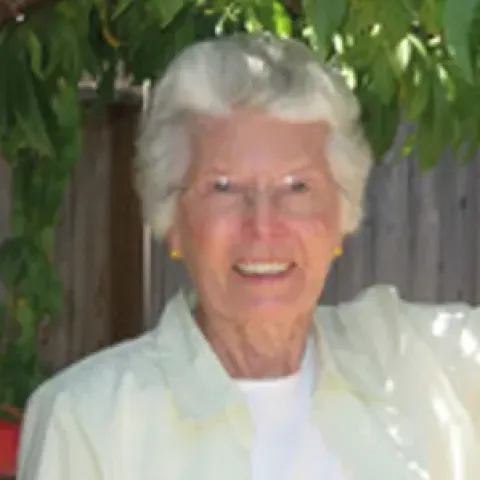
Helen Cope Underhill, former UC Cooperative Extension home advisor, passed away Jan. 2, 2024, at age 99. After attending Cooperative Extension home demonstration club meetings with her mother when she was a young girl in Alabama, Underhill decided she wanted to become a home demonstration agent.
View Article